

Pope Leo Xiv
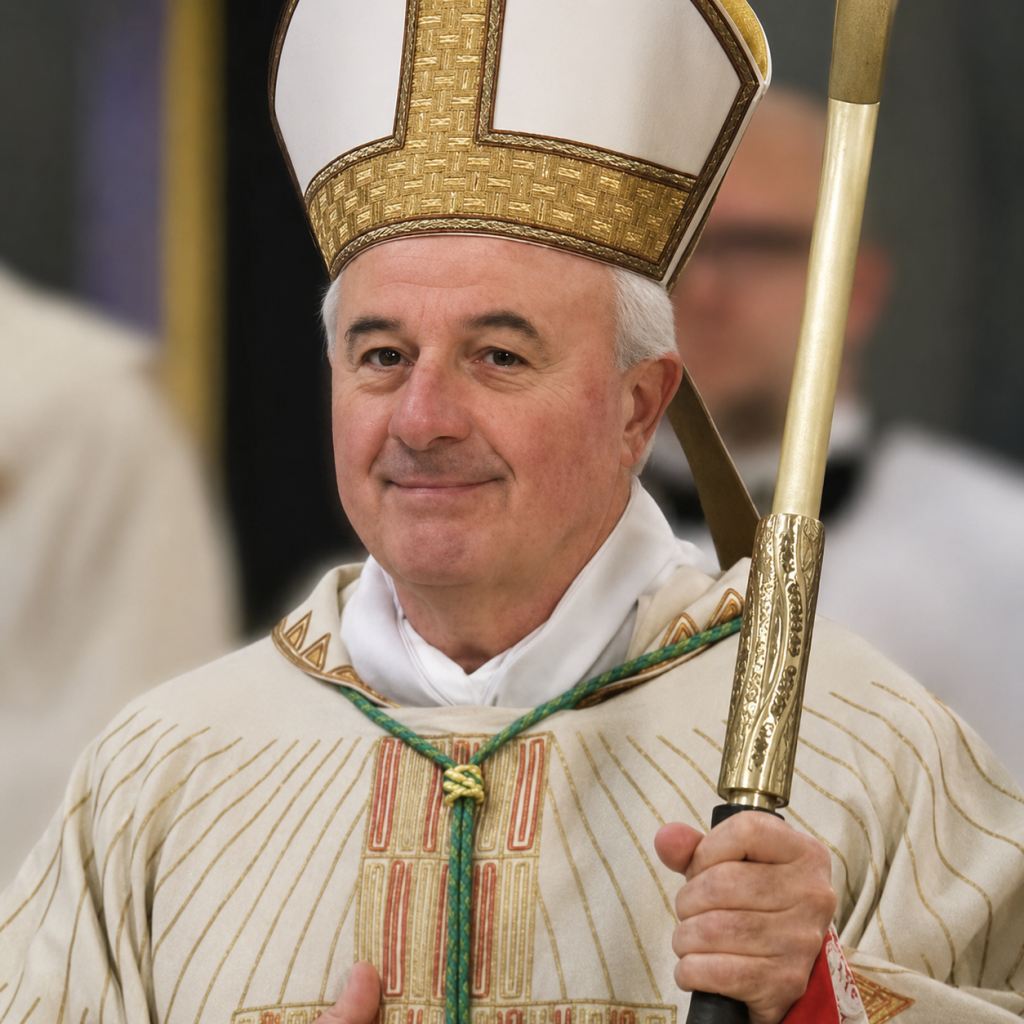
Francis era appointments unroofed from Rome: Di Tolve tipped for Chioggi
Bishop Michele Di Tolve, appointed as an auxiliary bishop of Rome by Pope Francis in 2023, is reportedly set to be transferred to the Diocese of Chioggia. This move is part of the latest Francis-era appointments being unroofed from Rome. An Auxiliary Bishop of the diocese of Rome may move to Chioggia, a seaside town south of Venice. According to an exclusive report by MessainLatino , Bishop Michele Di Tolve, an auxiliary bishop of Rome appointed by Pope Francis and currently serving as rector of the Pontifical Roman Major Seminary, is set to be transferred to the Diocese of Chioggia. According to MessainLatino , sources in the Diocese of Chioggia have indicated that this move is forthcoming, though it has not yet been formally confirmed by the Holy See. Bishop Di Tolve was born in Milan on 19 May 1963 and grew up in the parish of San Francesco d’Assisi in Grancia and Pagliera di Lainate. He completed his priestly formation at the Milanese archiepiscopal seminaries. Ordained deacon on 4 December 1988 in Cesano Maderno by Cardinal Carlo Maria Martini, he was ordained a priest on 10 June 1989 in Milan Cathedral by Cardinal Martini. In 2007, Cardinal Dionigi Tettamanzi appointed him head of the Catholic Religious Education Service and the School Pastoral Service. From 2008 to 2014, he served as the Supreme Moderator’s Delegate at the Higher Institute of Religious Sciences in Milan. In 2014, Cardinal Angelo Scola named him rector of the archiepiscopal seminary of Milan, effective from 2015. Pope Francis appointed him auxiliary bishop of Rome and titular bishop of Orrera on 26 May 2023. On 4 July 2023, he was named rector of the Pontifical Roman Major Seminary with the task of strengthening relationships between priestly formation institutions in the territory of the Diocese of Rome and coordinating their activities. This potential transfer forms part of small but substantial changes to the Francis-era appointments that have rooted themselves within the ecclesiastical personnel of the Vicariate and the Roman Curia, where the Pope has already implemented structural changes, correcting substantial parts of Francis’s reform. Gradual but firm, these adjustments reflect a deliberate approach to diocesan governance in Rome. On 30 June, Pope Leo XIV issued the motu proprio Confirma Fratres Tuos , rolling back key parts of Pope Francis’s 2023 reform of the Diocese of Rome. The document recentres diocesan governance around the Cardinal Vicar as the principal authority in the day-to-day government of the Pope’s diocese. After announcing the consecration of four new auxiliary bishops of Rome on 25 February, Pope Leo established a commission comprising all the auxiliary bishops and the Cardinal Vicar to review the apostolic constitution In Ecclesiarum Communione . Francis’s reform had significantly reduced the power of the Cardinal Vicar and increased the powers of the vicegerent and the episcopal council. Article 10 of In Ecclesiarum Communione described the Cardinal Vicar as “an auxiliary and vicar general” who would exercise episcopal ministry with ordinary vicarious power. The revised text under Pope Leo simplifies this, eliminating the description of the Cardinal Vicar as “an auxiliary and vicar general” and instead affirming that the Cardinal Vicar has “the high and effective direction of the Vicariate”, with only brief mention of the vicegerent at the end. Pope Francis had also dismissed most of his auxiliary bishops in favour of loyalty and abolished the historic centre pastoral sector of the Diocese of Rome. Beyond the structural reforms in the Diocese of Rome, Pope Leo has been slowly unwinding elements of the Curia. Cardinal Michael Czerny, who owed his Curia position to Pope Francis and was made a cardinal by him in 2019, was replaced as prefect of the Dicastery for Promoting Integral Human Development by Sister Alessandra Smerilli, FMA. Sister Smerilli had been an auditor at the 2018 Synod on Youth. Pope Francis appointed her as councillor of the Vatican City State and consultant to the General Secretariat of the Synod of Bishops in 2019. In 2020, she coordinated the economic task force of the Vatican Covid-19 Commission. She became undersecretary of the Faith and Development Section of the dicastery in March 2021, interim secretary in August that year, and permanent secretary in April 2022. Sources close to the dicastery told AdVaticanum she is “relatively popular internally and she is scandal free”. Cardinal Fabio Baggio, CS, was appointed pro-prefect alongside her. The Dicastery for Communication has seen a particularly striking change. The dicastery under Paolo Ruffini as prefect was viewed as entrenched in the Francis way of operating. Paolo Ruffini and his associates, described as the “Palazzo Pio Gang”, were seen as deeply connected to that approach, including Ruffini’s defence of Fr Rupnik. Montserrat Alvarado’s appointment as prefect in June to replace him was therefore incredible, coming as something of an unexpected move from an outsider. Sources told AdVaticanum that she told His Holiness that “she wanted to bring back orthodoxy”. Pope Leo XIV has also replaced Cardinal Konrad Krajewski, a loyalist of Pope Francis, as head of the Vatican’s principal charitable office, appointing the Spanish Augustinian Bishop Luis Marín de San Martín as the new Almoner of His Holiness and Prefect of the Dicastery for the Service of Charity. Cardinal Krajewski had served in the role since 2013 and became the first prefect of the dicastery following the Roman Curia reforms of 2022. The replacement of the cardinal, who is only 62 and well below the usual age for such transitions, raised questions. Nothing has been said about whether the change followed a request from the cardinal himself. Such abrupt transitions are uncommon in the Roman Curia, particularly when they involve a relatively young cardinal whose term has not reached its natural conclusion. Viewed in their entirety, these developments illustrate a slow but steady reorientation. The potential move of Bishop Di Tolve from his prominent roles in Rome to the Diocese of Chioggia would align with this pattern, removing one of the more recent Francis-era appointments from the centre of Roman ecclesiastical life.
Jul. 10, 2026
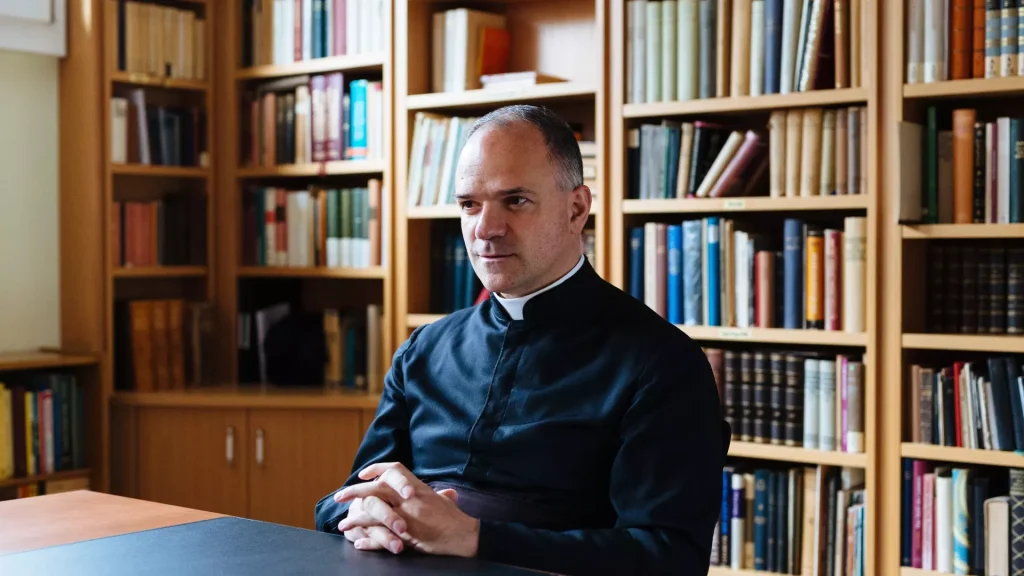
Fr Pagliarani’s letter to Pope Leo XIV over episcopal consecrations
Fr Davide Pagliarani has responded to Pope Leo’s letter regarding the Society of Saint Pius X’s planned episcopal consecrations but stopped short of saying whether the fraternity intends to suspend the ceremony. Responding to the Pope’s personal letter, published by the Vatican on 30 June, the Superior General of the Society thanked the Holy Father […] Fr Davide Pagliarani has responded to Pope Leo’s letter regarding the Society of Saint Pius X’s planned episcopal consecrations but stopped short of saying whether the fraternity intends to suspend the ceremony. Responding to the Pope’s personal letter, published by the Vatican on 30 June, the Superior General of the Society thanked the Holy Father for his “paternal solicitude” before appealing for more time and asking him not to make a final decision concerning the fraternity. “Thank you very much for the letter that Your Holiness so kindly addressed to me. I have been deeply touched by Your paternal solicitude,” Fr Pagliarani wrote. He said he had long hoped to meet Pope Leo personally to explain the Society’s position. “For a long time, I had hoped to have the opportunity of meeting You in person, in order to express to You directly our sincere desire to serve the Church. Unfortunately, that opportunity has not presented itself,” he said. Fr Pagliarani insisted the Society’s intentions towards Rome remained genuine, adding: “I ask only that You consider the sincerity of this intention, which is in no way feigned.” He argued that, in the Society’s view, its actions were aimed at preserving rather than damaging the unity of the Church. “Paradoxically, in the present circumstances, we believe it to be our very duty to do everything possible to mend Christ’s seamless garment, torn by forces and pressures incompatible with a truly Catholic spirit. I ask only that You consider the authenticity of this intention before making a decision concerning the Society of Saint Pius X. It is not yet too late.” The Superior General also rejected any suggestion that the Society wished to break communion with Rome, writing: “Far be it from us to separate ourselves from the Roman Church. We desire, on the contrary, to serve her by means that are extraordinary, as one would assist a mother in distress who requires particular help, even if such help is not understood by everyone. Yet I am certain that the Holy Father could understand it.” Rather than announcing whether the planned episcopal consecrations would proceed, Fr Pagliarani instead urged Pope Leo to delay any judgement, writing: “The Holy See has shown itself capable of understanding very complex situations and of allowing time for discernment. “May I therefore filially ask Your Holiness to take the time necessary for that discernment.” The Society’s Superior General also pointed to the history of relations between the Holy See and the fraternity following the episcopal consecrations carried out by Archbishop Marcel Lefebvre in 1988. “First, in 1988 the Society was already declared schismatic, for reasons and in circumstances entirely analogous to those of today. Yet, after so many years, we are speaking together as a father and his son.” He continued: “Your Holiness is paternally urging me to avoid a schism which, theoretically, has already taken place. Does not Your very attitude—whose paternal concern I deeply appreciate—constitute proof that the Society is neither schismatic nor hostile to the Church?” Fr Pagliarani also referred to the late Bishop Vitus Huonder, the former Bishop of Chur, and Bishop Athanasius Schneider, Auxiliary Bishop of Astana, both of whom he said had engaged with the Society on behalf of the Holy See. Fr Davide Pagliarani also referred to the late Bishop Vitus Huonder, the former Bishop of Chur, and Bishop Athanasius Schneider, Auxiliary Bishop of Astana, both of whom he said had engaged with the Society on behalf of the Holy See. “Both, after taking the necessary time for discernment, recognised the profoundly Catholic spirit of the Society and bore public witness to it.” Appealing on behalf of the Society’s faithful, Fr Pagliarani wrote that “thousands of souls” had rediscovered the Catholic faith through the fraternity’s apostolate. “These souls have but one desire: to attain salvation through this instrument which Divine Providence has placed at their disposal. They have suffered, and they are sincere.” He added that he believed Pope Leo’s “paternal heart as universal Shepherd will be moved by this very particular situation”, expressing confidence that “one day, all the difficulties between the Holy See and the Society will be resolved.” The letter concluded with a direct appeal to the Pope to allow the consecrations to proceed: “A gesture of understanding on Your part, far from harming unity, could only manifest before the world and before all Christians Your concern for unity and Your goodness as a father. “I leave all this to Your consideration. I renew my prayers for Your Holiness.” Fr Pagliarani ended by referring to his prayers to St Rita, writing: “For a long time, even before Your election, I have been praying to Saint Rita for the present situation. I saw in the election of an Augustinian Pope a sign of hope. I am certain that the Saint will intercede. It is never too late.” The Society’s letter came hours after Pope Leo XIV issued an unprecedented public appeal urging the fraternity to abandon its plans to consecrate bishops without a pontifical mandate. Writing “with a paternal heart”, the Pope praised members of the Society for their “devotion to liturgical life, commitment to priestly formation, apostolic zeal and desire for fidelity to Tradition”, adding that these qualities had inspired the “attentive and generous attitude” shown by his predecessors. The Pope nevertheless warned that proceeding with the ceremony would amount to “a schismatic act” and made a personal plea to the Society. He wrote: “In this spirit, and filled with Christian affection, I plead with you and ask you with all my heart: please turn back!” The Pontiff also warned of the consequences for the faithful attached to the Society, writing: “I urge you to consider carefully the spiritual good of the faithful, because the schismatic act you are about to undertake would deprive them of the licit and, in some cases, even valid reception of the Sacraments, which they love and seek for their sanctification.” While reaffirming that “the Church is open to a path of dialogue and understanding that the Holy Spirit can make possible and fruitful”, Pope Leo concluded with a final appeal: “With a sorrowful yet hopeful heart, I feel it is my duty, through the authority received from Christ, to ask you to desist from your intended act.” The Vatican published the Pope’s letter on 30 June, the eve of the consecrations due to take place at the Society’s international seminary at Écône.
Jun. 30, 2026
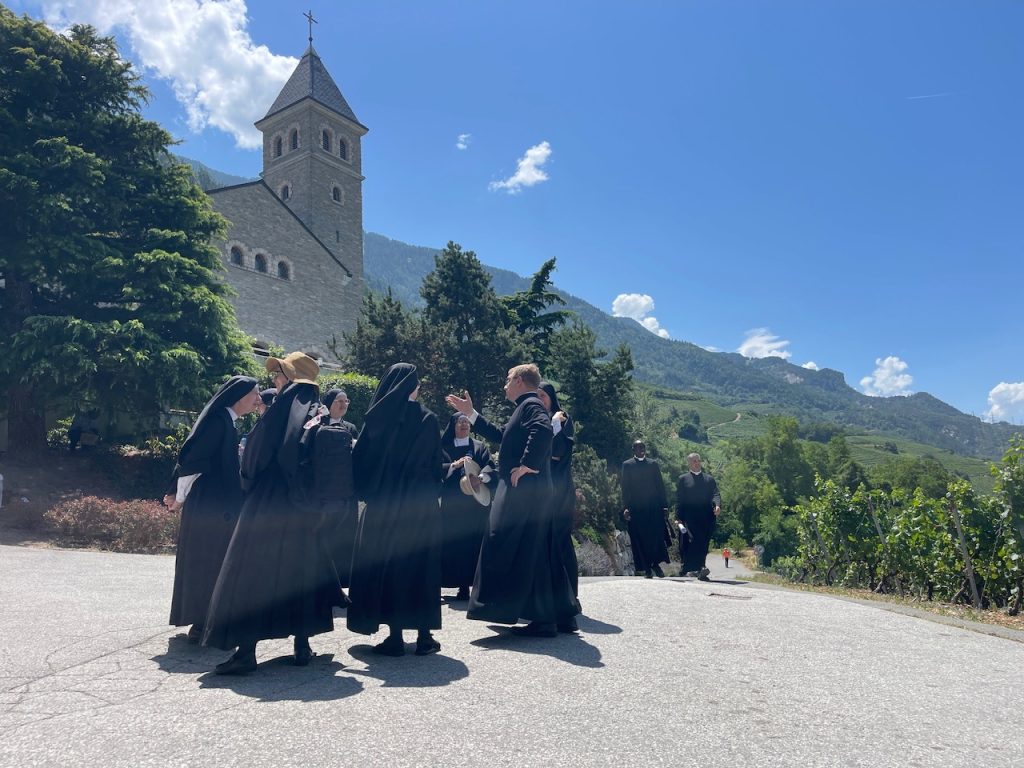
LIVE from Écône: SSPX reacts to Pope Leo XIV’s consecrations plea
The SSPX has reacted to Pope Leo XIV’s final plea not to proceed with tomorrow’s episcopal consecrations at Écône, with priests and faithful telling AdVaticanum the appeal will not change the Society’s plans. Read the full story Pope Leo XIV has made a final appeal, a day before the consecrations, to the Society of Saint Pius X not to proceed with its planned episcopal consecrations. The Pope’s letter, dated 29 June, the Solemnity of Saints Peter and Paul, was published by the Vatican on 30 June, the eve of the consecrations due to take place at Écône, Switzerland. It was addressed to Fr Davide Pagliarani, the Superior General of the SSPX, and, through him, to the society’s bishops, priests, seminarians and faithful. It warned that the ceremony would constitute a “schismatic act” and urged the SSPX to “please turn back”. Writing “with a paternal heart”, Leo acknowledged the qualities he said had characterised many within the society, praising their “devotion to liturgical life, commitment to priestly formation, apostolic zeal and desire for fidelity to Tradition”. He added that these qualities had motivated the “attentive and generous attitude” consistently shown to the fraternity by his predecessors. The Pope nevertheless made a direct plea for the society to abandon its plans. “In this spirit, and filled with Christian affection, I plead with you and ask you with all my heart: please turn back!” His Holiness wrote. “I urge you to consider carefully the spiritual good of the faithful, because the schismatic act you are about to undertake would deprive them of the licit and, in some cases, even valid reception of the sacraments, which they love and seek for their sanctification,” His Holiness continued. Leo also stressed that the Holy See remained willing to continue discussions with the fraternity. “The Church is open to a path of dialogue and understanding that the Holy Spirit can make possible and fruitful,” the Pope wrote. Concluding the letter, the Pope warned of the seriousness of the proposed consecrations, writing: “I pray for you, because to tear the seamless garment of Christ is a sin of extreme gravity. May the Lord enlighten your consciences and awaken your hearts.” He concluded: “With a sorrowful yet hopeful heart, I feel it is my duty, through the authority received from Christ, to ask you to desist from your intended act.” The letter is the latest intervention by the Holy See as it attempts to prevent the society from proceeding with the consecrations without a pontifical mandate. On 13 May, the Vatican warned that the planned consecrations would constitute a schismatic act and said that the bishops carrying out the ceremony, together with those receiving episcopal ordination, would incur automatic excommunication. Pope Leo subsequently confirmed on 16 June, outside Castel Gandolfo, that the Holy See was preparing a final appeal to the SSPX, warning that the proposed consecrations risked creating a new schism within the Church. The situation recalls 30 June 1988, when Archbishop Marcel Lefebvre consecrated four bishops at Écône without the approval of Pope St John Paul II. The Vatican declared the act schismatic, and Lefebvre, Bishop Antônio de Castro Mayer and the four newly consecrated bishops incurred automatic excommunication. Although Pope Benedict XVI lifted the excommunications of the surviving bishops in 2009 as part of efforts to encourage reconciliation, the SSPX has remained without canonical status in the Church. The society had not publicly responded to the Pope’s letter at the time of publication. However, reporting from Écône suggests that many priests and lay faithful have reacted strongly to the letter. Sources within the SSPX, speaking both on and off the record, have highlighted what they perceive as a lack of genuine doctrinal resolution and a continuation of past perceived betrayals. Brother Gabriel of the SSPX in the United States told AdVaticanum that the letter would not change anything, stating: “I don’t agree with that [letter from Leo].” A priest of the Society stationed in Asia, speaking to AdVaticanum strictly off the record, dismissed the papal letter in blunt terms. “This was complete nonsense,” he said. He added that the letter failed to address the core theological and liturgical concerns that have defined the SSPX for decades. Another Society priest said: “Far from offering any meaningful path forward, this letter sidesteps the real issues.” A French priest of the Society offered an even sharper critique, framing the letter as a belated and inadequate gesture. “It is a little too late for reconciliation after the betrayal of the Holy Father,” he remarked. He continued: “After years of ambiguities and a steady erosion of doctrine under the guise of ‘dialogue’, this won’t change anything.” An American priest of the Society described the letter as largely ineffective and expressed a measured note of spiritual concern for the Pope. “It was useless,” he said plainly, “and I pray for the Holy Father.” Jim Piante, a longtime lay supporter of the Society of Saint Pius X from the Charlotte area of North Carolina, offered a direct and unapologetic assessment of Pope Leo’s recent letter urging the Society not to proceed with the 1 July episcopal consecrations. Speaking personally and not on behalf of the Society or his parish of Saint Anthony in Mount Holly, Piante noted that the letter itself acknowledges the Society’s fidelity to Tradition, devotion to the Faith and robust liturgical life. “What is it that makes this a quote-unquote schismatic act?” he asked. “Only that Pope Leo does not grant authorisation.” In his view, the entire controversy would evaporate if the Holy Father simply recognised the worthiness of the men chosen for consecration, who have “proven themselves as genuinely Catholic in every way”. Piante argued that authorisation would resolve the matter instantly, highlighting what he sees as the letter’s failure to address the real pastoral needs of the Church. Regarding the possibility of excommunication extending beyond the bishops and priests to the lay faithful who attend SSPX chapels, Piante remained resolute and unmoved. “I would do the same thing tomorrow that I did today. Nothing different,” he stated firmly. He emphasised that his primary duty as a Catholic layman is not to resolve the institutional problems of the Church but “to save my soul and the souls of my wife and my children, and all those whom I can potentially influence.” Marie Flick, a parishioner at a Society of Saint Pius X church in Kansas City, Missouri, described the atmosphere ahead of the 1 July episcopal consecrations as vibrant and full of hope. When asked about the prolonged negotiations with Rome and Pope Leo’s recent letter urging the Society to reconsider the consecrations, Flick expressed disappointment. She pointed out that talks had dragged on since February with little progress and questioned why the Holy Father had not met personally with the Society’s Superior General. She said: “The Pope could have met with the SSPX, just like he met with the head of the Anglican bishops, the Archbishop of Canterbury. He’s been very open about meeting with other figures as well. Why not be open to meeting with the head of the SSPX? That’s just my opinion.” Despite being released at around 11 a.m. on 30 June, the letter was intentionally dated the Solemnity of Saints Peter and Paul, 29 June. This is understood to signal the authority with which the Pontiff issued his appeal, noting in the text that he has a “paternal” “duty”, as “the Successor of the Apostle Peter”, and possesses “authority received from Christ”. It is understood that this was intended as a signal to the SSPX of the Pope’s willingness to exercise his pontifical authority if the Society proceeds with the consecrations, while also implicitly calling for its obedience to him as Supreme Pontiff. The letter’s opening praise for the Society’s fidelity and apostolic work also appears to express a willingness to pursue reconciliation. It is notable that the text implies that, at present, the Society possesses licit and valid sacraments, which would be jeopardised if the consecrations were to proceed. Despite stating that there remains within the Church a “path of dialogue and understanding”, the letter offers no further indication of how the two parties might be reconciled beyond cancelling the consecrations, which Leo describes as a “sin of extreme gravity”.
Jun. 30, 2026
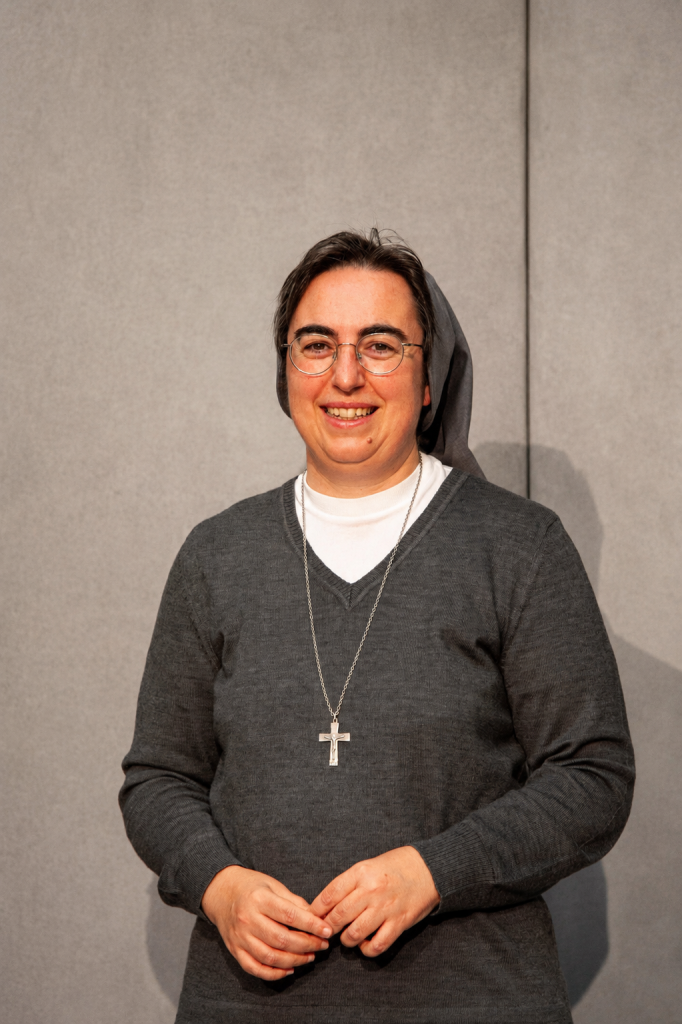
Sister Smerilli appointed prefect of Dicastery for Integral Human Development
Pope Leo XIV has appointed Sister Alessandra Smerilli as Prefect of the Dicastery for Promoting Integral Human Development, making her the second woman to lead a Roman Curia dicastery. We examine her background, her rise through the Curia, and the wider development of women’s leadership in the Vatican over the past two decades Pope Leo has appointed Sister Smerilli as Prefect of the Dicastery for Promoting Integral Human Development. The appointment will take effect on 1 September 2026. Born in Vasto, Italy, she entered the Salesian Sisters of Don Bosco in 1997, where she continued her studies in economics. In June 2006, she obtained a doctorate in political economy from the University of Rome “La Sapienza”. She joined the Roman Curia during the pontificate of Pope Francis when, in 2021, she was appointed Under-Secretary for the Faith and Development Sector of the Dicastery for Promoting Integral Human Development. She was then named interim Secretary on 26 August 2021, which made her the first woman to hold the second-ranking position in a dicastery of the Roman Curia, and the highest-ranking woman in the Curia at the time. In April 2022, her role as Secretary was made permanent. In 2021, she received the Order of the Star of Italy, one of Italy’s national honours, in recognition of her academic work and contribution to ethical business and finance. Women have been appointed to positions in the Roman Curia for more than twenty years. The first was in 2004, when Pope Saint John Paul II appointed Sr Enrica Rosanna, also a Salesian Sister of Don Bosco, as an Under-Secretary of a Roman Curia dicastery at the then Congregation for Institutes of Consecrated Life and Societies of Apostolic Life. In 2010, Pope Benedict XVI appointed Flaminia Giovanelli as Under-Secretary of the Pontifical Council for Justice and Peace, making her the first laywoman to hold a senior leadership post in a dicastery. In 2011, Sr Nicla Spezzati was appointed Under-Secretary of the Congregation for Institutes of Consecrated Life and Societies of Apostolic Life. During the latter part of his pontificate, Pope Francis took the cautious work of his predecessors considerably further. In 2021, he appointed Sister Nathalie Becquart as Under-Secretary of the General Secretariat of the Synod of Bishops, making her the first woman to hold the post. In 2022, he appointed Raffaella Petrini, Sister Yvonne Reungoat and María Lía Zervino as the first women to become members of the Dicastery for Bishops. In 2023, he appointed Sister Simona Brambilla as Secretary of the Dicastery for Institutes of Consecrated Life and Societies of Apostolic Life, before promoting her to Prefect in 2025, making her the first woman to lead a Roman Curia dicastery. The Pope has also made a number of other appointments within the Dicastery for Promoting Integral Human Development. Alongside Sister Alessandra Smerilli as Prefect, he has named Cardinal Fabio Baggio as Pro-Prefect with special responsibility for the Laudato si’ Higher Education Centre, and Monsignor Jozef Barlaš as Secretary.
Jun. 30, 2026
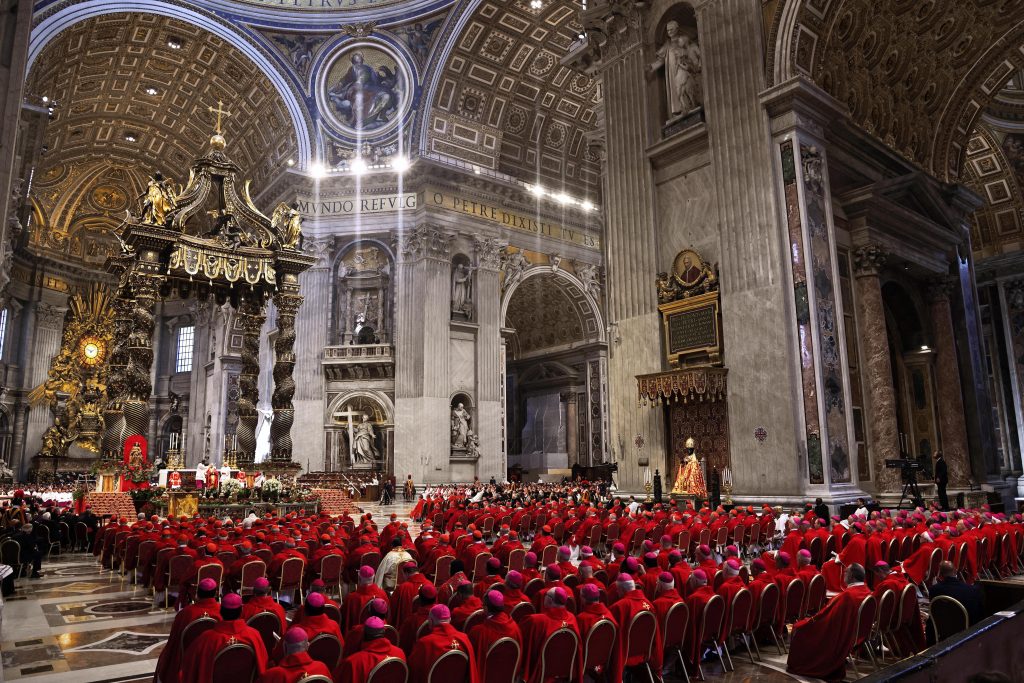
Inside the Consistory: What cardinals made of Leo XIV’s second gathering
What did the cardinals make of Pope Leo XIV’s second Extraordinary Consistory? Over the past week, AdVaticanum has spoken to members of the College of Cardinals, both before and after the gathering, on and off the record. This exclusive report brings together those conversations, offering a rare insight into what was really discussed behind closed doors. As Pope Leo XIV hands the Metropolitan Archbishops their palliums today, Monday 29 June, in St Peter’s Basilica, this exclusive feature presents the behind-the-scenes, unfiltered reflections of the Church’s Princes regarding the debates that took place during the Extraordinary Consistory on Friday 26 and Saturday 27 June. Over the past week, AdVaticanum has engaged in in-depth conversations with several members of the College of Cardinals, some speaking on the record and others preferring to speak off the record, both before and after the Consistory. These senior voices offer a rare glimpse into what actually went on and what may yet unfold in the Church. Compared to Pope Leo XIV’s inaugural Extraordinary Consistory in January, the atmosphere of this Consistory felt distinctly different from the very beginning. The January Consistory began with afternoon sessions. This time, however, the schedule was quietly revised in favour of intensive morning sessions. This change, which meant the first day began with Holy Mass at 7 a.m., required earlier arrivals and a tighter format that limited the usual interactions which had characterised the first Consistory. Furthermore, the deliberate move away from the more open media engagement of January was immediately noticeable. During the first Consistory, daily press briefings and the occasional comment from a cardinal followed each day’s sessions. This time, however, journalists received only an official summary from the Holy See Press Office, creating the feeling of a media blackout. This should not have come as a surprise, as Cardinal Giovanni Battista Re’s pre-Consistory letter had already set the tone for the entire gathering. In the letter sent to the College of Cardinals, the Dean, Cardinal Giovanni Battista Re, laid out clear expectations regarding the tone and conduct of the meeting. Under the heading “Confidentiality”, the document stated: “You are asked to maintain confidentiality regarding the proceedings and not to release any statements to the press during the Consistory. A press conference will be held at the end. It is recommended that you do not reveal the attribution of the speakers.” Multiple cardinals, when contacted privately by several Vatican correspondents, sent almost identical cautious replies even before the Consistory: “We will wait… we can’t comment even after the Consistory… we’ll wait for the press conference.” Inadvertently, this media blackout created an atmosphere of mild tension in which journalists relied on behind-the-scenes conversations and anonymous reflections. Those conversations often carried more weight than the official meditations and statements issued by the Holy See Press Office, precisely because official Vatican channels had been so deliberately constrained. Beyond the general atmosphere of the June Consistory, attendance was also noteworthy. Of the roughly 241 current members of the College of Cardinals, 178 participated. This marked a modest increase from the approximately 170 cardinals who attended the first Extraordinary Consistory in January. However, overshadowing this was reporting by Il Giornale Vatican correspondent Nico Spuntoni, who revealed that several prominent conservative voices were absent, including Cardinal Joseph Zen of Hong Kong, Cardinal Willem Jacobus Eijk of Utrecht, and Cardinal Péter Erdő of Esztergom-Budapest. AdVaticanum also has been informed that certain Rome-based cardinals were not in attendance due to advanced age. For example, prominent figures such as Cardinal Stanisław Dziwisz, the longtime secretary to Pope John Paul II, did not attend the Consistory. While some cardinals who had missed the first Consistory did attend the second, including Cardinal Christoph Schönborn, the Archbishop Emeritus of Vienna, after recovering from a health scare, other prelates, particularly those from regions further from the Vatican, were absent from both Consistories. Examples include Cardinal Leopoldo Brenes of Managua and Cardinal Ignatius Suharyo Hardjoatmodjo of Indonesia. Prior to the Consistory, many cardinals offered measured and largely positive comments when speaking to AdVaticanum. Italian Cardinal Angelo Bagnasco, for instance, stated: “I am deeply grateful to Pope Leo for the Consistory in January and the one scheduled for June. Convening cardinals from around the world is an expression of the Pope’s pastoral concern.” The Cardinal Emeritus of Genoa went on to say: “The cardinals’ specialty is to assist the Supreme Pontiff in his lofty task of governance. The Consistory is always an experience of ecclesial communion and a great enrichment: 200 men come from all over the world to pray and reflect with the Pope on selected themes. My hope is that the Holy Father will increasingly sense our fraternal closeness and filial support, both from us and, through us, from the entire Church.” Papabile Cardinal Maung Bo said he was “really happy to be here” and that he “loved the Pope”, adding that he was thankful the Holy Father had invited them to Rome again “to discuss the real issues”. Cardinal Jean-Claude Hollerich similarly commented that the cardinals, united as the College of the Church, must “protect and represent the Church well in this Consistory.” Yet this public-facing tone contrasted sharply with the private conversations AdVaticanum had with several cardinals in the days before the sessions began. Before even discussing this Consistory, many of the cardinals who wished to speak first reflected on the January gathering. A few praised it; however, the majority of those I spoke to did not. Speaking about the voting process used to determine the discussion topics, one conservative cardinal said: “There was this votation, but now we have a very wide program, no? This is not only one point, but one theme. And I don’t know how, at the end, it will work.” However, a few cardinals begged to differ. Cardinal Napier told AdVaticanum that he was quite surprised by the complaints about the synodal-style voting at the discussion tables. “I went there with an open mind, and I thought, I accept—I accepted or expected, maybe even accepted, that everyone was doing the same. “Pope Leo offered us an opportunity to deal with topics which we had been advised about beforehand, and we had time to prepare which ones we would like to deal with, and just put them in the order of priority that we’d want to deal with them.” Similarly, a liberal cardinal from South America thought that the topics themselves were not necessarily rooted in the needs of every region: “Yeah, it’s just a question about the main needs for the Church today, but it’s not—it’s not, uh, absolutely strange. We have the great challenges in the world of today. Countries are different.” Similarly, the conservative cardinal who spoke to AdVaticanum about the voting system later told us: “In Europe, we have these wrong ideas, ideologies, wrong ideas of human existence and essence, and the goal of human existence, the wrong anthropology, LGBT, and the destruction of the family, or of one’s own identity, of the importance of the body.” Turning to the June Consistory itself, one issue some cardinals believed had been overlooked was the question of the liturgy. “No, but it’s not forbidden to speak about all these questions about the liturgy, because liturgy is in the Catholic faith, and life is the main mission of the Church, the veneration of God, the transmission of grace in the seven sacraments, in the prayers, and in the worship of God.” However, a liberal cardinal told AdVaticanum: “I don’t think too many of us would have been overcome. Not all of us are upset about those not getting liturgy to the fore.” Similarly, there was also concern among moderate and conservative cardinals regarding Cardinal Grech’s emphasis on synodality. A European moderate cardinal said: “Until now, he has not been able to give a definition of what synodality is. What can we implement? Synodality is not a revealed reality.” A former Curial cardinal went further, saying: “It’s only a form of working together of everybody in the Church, but has nothing to do with the Synod of Bishops.” Cardinal Müller told AdVaticanum before the Consistory: “The Synod of Bishops is a realisation of the collegiality of the bishops, but now when it is opened to laypeople and other priests, it has nothing to do with the synod in the classical sense. There’s no ecclesiastical basis, no?” He continued: “Like in this working group, I think nine, where they introduced homosexuality as the same form of living together, like a sex matrimony of man and woman, no? And in another working group, they really devised the sacramentality of priesthood, no? And this is a very vile way to change the doctrine, the revealed doctrine of the Church, no? This is manipulation, no?” However, it is important to note that this Consistory was not viewed by many as a litmus test of Pope Leo. As one conservative cardinal from Africa put it: “He has still not appointed cardinals, but some bishops, but it’s not at the highest level.” He continued: “But in his homilies, and what he said in Spain, in the Parliament, for example, or the encyclical, it’s a higher level, no? Intellectual level, no? I think he understands it.” More colourfully, a non-voting cardinal, who insisted that his remarks remain firmly off the record, remarked: “For the stupid people, it’s an invitation to present their stupidities. The past few years it’s been a little bit dangerous to speak out the Catholic truth, which was not wanted, no?” As these pre-Consistory questions began to be answered, the Consistory itself commenced. AdVaticanum reported extensively on the official proceedings in previous coverage. However, what was said behind closed doors was another story. Unsurprisingly, the first day was calm and largely uneventful, focusing on the meditative reflections delivered by Cardinal Ryś. One conservative cardinal commented simply: “I think they addressed the subject in a very thoughtful way.” Another moderate cardinal added: “I think it was a good meditation.” Then came the bombshell intervention from Cardinal Müller. Nico Spuntoni of Il Giornale reported that Cardinal Gerhard Müller used his free intervention to address the SSPX directly. The cardinal called for a clear doctrinal response to the Fraternity’s recent open letter to the Pope and the College of Cardinals, while proposing the establishment of a new Pontifical Commission modelled on the former Ecclesia Dei to facilitate the return to full communion of those affected by the upcoming episcopal consecrations which have no papal mandate. Prior to Cardinal Müller’s intervention, the German cardinal spoke exclusively to AdVaticanum about what he described as the grave danger of schism posed by the SSPX and the Church’s duty to address it. “Cardinals cannot neglect this theme, because it’s a system. There’s a great number of, of course, faithful souls. Faithful, and they are going the wrong way,” His Eminence warned. Cardinal Müller continued: “And the schism is always very bad for the Church. Saint Augustine had all his life questions with the Donatists, and this separation and these divisions was responsible.” Drawing on historical examples, Müller added: “And later the Church was not able to resist Islam, no? And the Jansenists and the Old Catholics, these schisms, it’s all the type of wound of the Body of Jesus Christ, no?” Cardinals who defended Cardinal Müller told AdVaticanum that, “Cardinals are not absolutely bound to the thematic.” After the Consistory, Cardinal Müller simply told AdVaticanum that “the best kings were always those who had the best counselors.” AdVaticanum was also told that there was “no verbal resonance” and “no pushback” and that the Pope did not react and remained stoic throughout the intervention. A former Curial conservative cardinal defended Cardinal Müller, saying: “They were called for interventions, and I mean, at least I and a number of my brother cardinals were, were very concerned that this crisis is going on with regard to the SSPX, and we never addressed it. So I was happy that Cardinal Müller made his intervention.” However, this isn’t the full story, as many moderate and liberal cardinals also had their grievances. A liberal cardinal told AdVaticanum : “My first thought when I heard him launching out on that was, ‘Here’s a man who’s not actually respecting the agenda, and the Pope has drawn up the agenda, or the other cardinals who’ve come here to discuss the agenda.'” Even a conservative cardinal said: “He’s going off on a tangent. But I know Müller quite well, so I’m not terribly surprised that he took that angle.” A moderate added: “I must say I’m disappointed that, even at this stage, he was blaming Francis for everything that was going wrong in the Church. Now, already in these early days, it seems he’s pointing to Leo.” AdVaticanum spoke to a table of cardinals, and one of them told us: “I must honestly say, at our table, most of us said, ‘Oh, there he goes again.’ That would have been the reaction because it’s not on the agenda.” After this bombshell, there were a few discussions about the liturgy, albeit briefly. From what AdVaticanum understands, concerns were raised about liturgical reverence. One internal conversation between cardinals touched on liturgical abuse, with one saying: “There’s too many—too much freedom in people doing what they feel is right, but not necessarily following what the Church understands of that particular aspect of the liturgy.” On the second day, things heated up following Cardinal Brislin’s meditation, which was generally praised. However, it was Cardinal Grech’s presentation on synodality that proved most divisive. Speaking during the final sessions of Pope Leo XIV’s Extraordinary Consistory, Cardinal Grech argued that the Church had reached the point where synodality could no longer be regarded as a temporary initiative or isolated ecclesial project, but as a permanent dimension of Catholic life. Presenting his report on the implementation of the Synod, Cardinal Grech told the assembly that the Church was entering “a new stage in the reception of the Second Vatican Council”, moving beyond the Synod on Synodality itself towards the practical application of its conclusions in dioceses throughout the world. Rather than presenting synodality as a programme with a defined end, he proposed it as a lasting way of exercising ecclesial responsibility through listening, discernment and shared participation. A conservative cardinal did not hold back, saying: “It was not acceptable. I don’t accept it. That final document is a document of the ordinary magisterium; that is not true. The Pope can only declare the ordinary magisterium on the basis of the doctrine of the deposit of the faith.” Other interventions included that of Cardinal Rouco, Archbishop Emeritus of Madrid. He explained what synodality was and was not, criticising it by appealing to the ecclesiology of the Second Vatican Council. Summarising his speech, one cardinal said: “He pointed out that there is nothing in the tradition of canon law regarding synodality; yes, there is on synods, but synods were viewed as extraordinary events to seek consultation from the faithful, from the bishops, whoever it may be. But it certainly was never conceived as an essential mark of the Church, or as a way for the Church to conduct her life.” This paved the way for the free interventions on the final day, when the Consistory reached its most intense point as Cardinal Burke decided to intervene against synodality. In an exclusive account compiled by AdVaticanum from multiple cardinals who listened attentively to his remarks, Cardinal Raymond Leo Burke delivered a substantive free intervention. In particular, addressing the Final Report of Study Group No. 9 concerning theological and methodological criteria for shared discernment on emerging doctrinal, pastoral and ethical questions, Burke focused significant attention on its section dealing with the “experiences of believing homosexual persons”. Numerous cardinals reported that he described the publication as manifesting “the very grave difficulty with the current direction and functioning of the Synod”. Arguing that, even though it was presented as the work of a study group, its integration into the broader synodal direction gives it weight as part of the official “theological and methodological synodal criteria”. Numerous sources told us that Cardinal Burke warned that the report, by invoking a so-called “paradigm shift”, takes a path divergent from the Church’s perennial moral teaching on the homosexual condition and corresponding acts. He defended the Courage apostolate, long supported by faithful Catholics seeking to live chastely, as a model pastoral response developed under a holy priest, while criticising the document for slandering such efforts and appearing to validate agendas in “open opposition to the traditional moral doctrine of the Church”. His Eminence called for restoring the Synod’s proper integrity under the Successor of St Peter, ensuring authentic dialogue remained rooted in divine truth, the objective moral order and the inspirations of the Holy Spirit rather than individual inclinations or worldly ideologies. He concluded by invoking St John Paul II’s Veritatis Splendor in defence of immutable moral norms as a service to true freedom. According to those familiar with the closed-door proceedings, Cardinal Burke’s intervention resonated strongly and garnered notable support even from several moderate cardinals. While a number of more progressive and Curial cardinals appeared visibly disgruntled, some reacting almost as if inebriated by discomfort at the direct challenge to prevailing synodal directions. However, there were less contentious interventions as well. Cardinal Wilton Gregory spoke movingly about his forefathers being brought in chains as slaves to the United States, describing it as the “worst memory in the life of mankind that was possible.” Furthermore, it was confirmed to AdVaticanum by a cardinal that the Traditional Latin Mass (TLM) was raised during a free intervention. The cardinal said: “I do believe that one or two of the cardinals, I think from North America in particular, have commented on how the numbers of young Catholics are coming back to the Eucharist, but coming precisely to those churches where the old liturgy is being celebrated.” A liberal cardinal corroborated this, saying: “Now, whether it’s the language, I don’t know if it’s in Latin or whether it’s in English, but whether it’s also because the priests are observing the instructions more closely, they are talking about the old liturgy.” Furthermore, Cardinal Goh of Singapore also spoke publicly in defence of the Latin Mass during his intervention, AdVaticanum can reveal. Looking ahead, attention is already turning to the next Consistory, which is expected to take place next year. After two Extraordinary Consistories, several cardinals indicated that liturgical questions are likely to be the next major subject for discussion, although plans could yet change. While there appeared to be broad appreciation among the cardinals for Pope Leo XIV’s leadership and willingness to foster open discussion, the synodal format remained a point of unease for some participants. Yet the overriding impression was that the atmosphere within the College of Cardinals had shifted. As one cardinal remarked: “I think with a new Pope, everybody feels free, and that’s absolutely clear.”
Jun. 29, 2026
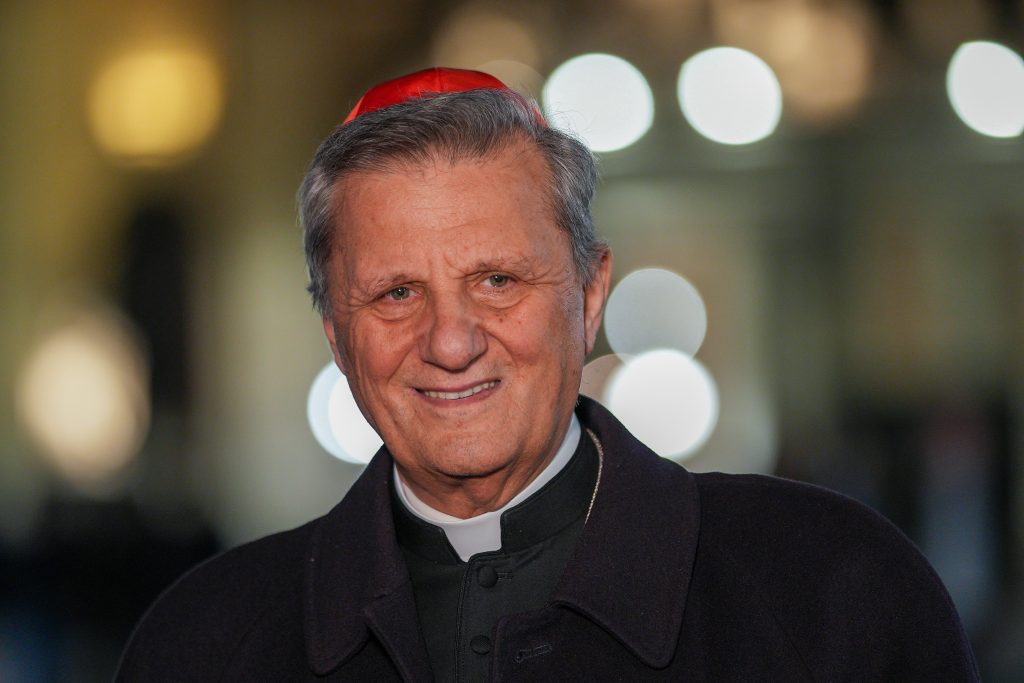
Report from Day 2 of the Consistory: Cardinal Grech sets out synodality’s next phase
The final session of Pope Leo XIV’s Extraordinary Consistory focused on the future of synodality, as Cardinal Mario Grech told the College of Cardinals that the Church was entering a new stage in implementing the Synod’s conclusions Cardinal Mario Grech has declared that the Church’s synodal process is entering a permanent new phase, insisting that synodality must become embedded in the ordinary life and governance of the Catholic Church. In an address to the Extraordinary Consistory, the Secretary General of the Synod described the implementation of synodality as “a new stage in the reception of the Second Vatican Council”. Speaking during the final sessions of Pope Leo XIV’s Extraordinary Consistory, Cardinal Grech argued that the Church had reached the point where synodality could no longer be regarded as a temporary initiative or isolated ecclesial project, but as a permanent dimension of Catholic life. Presenting his report on the implementation of the Synod, Cardinal Grech told the assembly that the Church was entering “a new stage in the reception of the Second Vatican Council”, moving beyond the Synod on Synodality itself towards the practical application of its conclusions in dioceses throughout the world. Rather than presenting synodality as a programme with a defined end, he proposed it as a lasting way of exercising ecclesial responsibility through listening, discernment, and shared participation. The Maltese cardinal’s intervention was the centrepiece of the Consistory’s fourth and final working session, held in the Synod Hall on Friday afternoon under the moderation of Cardinal Joseph Tobi. Cardinals subsequently reflected on the report, agreeing that further work was needed to deepen both the historical and ascetical dimensions of synodality, while ensuring that its implementation strengthened, rather than distracted from, the Church’s evangelical mission. Several speakers also emphasised the need to present “a beautiful, creative, evangelical, yet non-clerical image of the priesthood”, according to the Holy See Press Office, while cautioning against allowing consultation processes to become so complex that they burden the Church’s witness. The discussion also reaffirmed that “the hierarchical Church and the People of God both participate, in different ways, in discerning what the Spirit is saying to the Church”, while recognising the contribution that the Eastern Catholic Churches could make through their long-established synodal traditions. Cardinal Grech’s intervention followed a morning devoted to Pope Leo XIV’s new social encyclical, Magnifica Humanitas , with cardinals considering how the Church should respond to the social, political, and technological challenges shaping the modern world. The day’s principal meditation was delivered by Cardinal Stephen Brislin, who reflected on the encyclical under the title Building for the Common Good: the Building Sites of Our Time . The Cardinal focused on the biblical contrast between Babel and Jerusalem and argued that both cities represented collective human endeavour, yet embodied radically different understandings of progress. Babel, he said, demonstrated that “unity sought without God ultimately leads to the confusion of tongues – that is, to fragmentation and disintegration”, whereas Jerusalem symbolised human intelligence placed at the service of God and directed towards “promoting the dignity of every person”. The cardinal said the encyclical asked a fundamental question extending far beyond technological innovation: “What form does human endeavour take when it has access to ever more effective tools?” While artificial intelligence formed part of that discussion, the deeper issue was whether technological progress was accompanied by a corresponding sense of moral responsibility or whether it risked exposing humanity to “new forms of exclusion and reductionism”. Cardinal Brislin argued that the answer lay not in rejecting technology but in ensuring that human progress remained rooted in Christian anthropology. He pointed to four principles identified in the encyclical’s introduction — desire, limitation, shared responsibility, and discernment — describing them as the “grammar of building” needed if society was to pursue the common good rather than technological progress for its own sake. Human desire for happiness, he said, should not be dismissed but purified. “When happiness is reduced to performance or control, it impoverishes the person; when it is shaped by faith, it rediscovers its proper measure in our relationship with God, with others, and with our common home.” Equally important was recovering an appreciation of human limitation. Rather than viewing fragility as a defect to be eliminated, Cardinal Brislin said recognising limits reminded humanity that life was “a gift to be received and safeguarded”, enabling society to recognise the dignity of those marked by illness, disability, or old age. The cardinal also linked the principle of shared responsibility directly to Catholic social teaching, saying that “the common good flourishes when every individual can contribute their part and be supported in doing so”. No individual possessed the whole project, he observed, and “no one builds alone”. The conclusion of the encyclical, Cardinal Brislin continued, showed how these themes were fulfilled through the theological virtues of faith, charity, and hope. Faith revealed history as sustained by God’s saving plan through the Incarnation, charity found its source in the Eucharist, and hope enabled Christians to continue building what the document called the “civilisation of love”. Cardinal Brislin concluded by returning to the encyclical’s opening contrast between Babel and Jerusalem, arguing that Magnifica Humanitas ultimately entrusted the Church with the responsibility “to engage with the struggles of history in its own distinctive way, adopting a synodal approach”. The themes identified by Cardinal Brislin echoed repeatedly during the cardinals’ discussions. Reports from the eleven working groups highlighted what participants described as the profound fractures affecting contemporary society, including divisions between nations, communities, and families. Many of the groups warned that the erosion of identity and meaningful relationships had encouraged tribalism and exaggerated individualism, creating the illusion that others existed merely for personal success. The Holy See Press Office said that the cardinals viewed artificial intelligence not simply as a technological issue but as an anthropological challenge requiring careful ethical discernment. They stressed the importance of identifying shared human values, defending the dignity of work, and resisting the temptation to reduce human beings “to numbers and statistics”. Furthermore, synodality emerged repeatedly throughout these discussions as both a practical method of listening and a sign of ecclesial responsibility. Many groups described it as a path capable of strengthening communion while enabling the Church to respond more effectively to the cultural and political challenges confronting contemporary society.
Jun. 28, 2026