

Latest
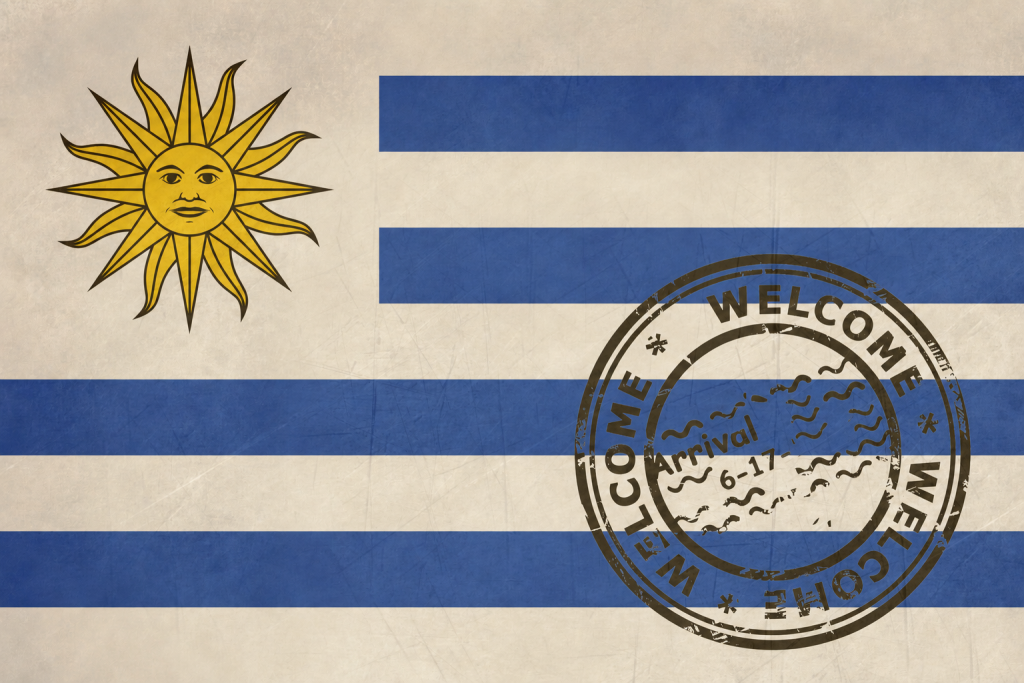
Pope Leo XIV expected to begin first Latin America tour in Uruguay this November
Pope Leo XIV is expected to make his first visit to Latin America this November, with Uruguay likely to be the first stop on a tour that AdVaticanum understands will also include Argentina and Peru. Preparations are already underway and Vatican officials are visiting key sites ahead of the expected announcement later this month Pope Leo XIV is expected to make his first visit to Latin America in November, with Uruguay set to become one of the destinations on a tour that is also expected to include Argentina and Peru. Although the Holy See Press Office has yet to publish the official itinerary, Cardinal Daniel Sturla, Archbishop of Montevideo, has said preparations are already underway and expressed confidence that the visit will take place. He described the visit as a moment of great significance for the Church in Uruguay after decades without a papal visit. Speaking at a press conference at the headquarters of the Uruguayan Episcopal Conference, Cardinal Sturla announced that Vatican officials had arrived in the country to continue preparations for the anticipated journey. Although the Cardinal stressed that the final dates and programme remain subject to confirmation by the Holy See, with an announcement expected at the end of July, he said the visit would be in November as part of what will be Leo XIV’s first visit to the Americas since his election in May 2025. The Cardinal revealed that he had personally extended an invitation to the newly elected Pope only days after the beginning of his pontificate. Recalling their first meeting, Cardinal Sturla said he told Leo: “Holy Father, we are waiting for you. We come from Uruguay. Remember that Francis did not visit Uruguay or Argentina, so we are waiting for you.” Those remarks alluded to the long-standing disappointment felt by many Catholics in both Uruguay and neighbouring Argentina that Pope Francis never returned to either country during his pontificate, despite repeated speculation that such a journey would eventually take place. Leo XIV’s anticipated visit would represent the first papal visit to Uruguay since St John Paul II travelled there in 1988. Although no official programme has yet been released, Cardinal Sturla indicated that Montevideo is expected to feature prominently on the itinerary, while a possible visit to Paysandú, in the north of the country, remains under consideration. “Our desire is to be the first ones visited,” His Eminence said, adding that “there are many signs” suggesting Uruguay will open the South American tour. Nevertheless, the Cardinal cautioned against assuming details that have not yet been formally confirmed. “The idea is for him to go to a department in the north; it might be Paysandú, but since it’s not confirmed, we shouldn’t raise false expectations.” Among the principal events under discussion is a Mass at the National Shrine of the Virgin of the Thirty-Three in Florida on 8 November, coinciding with the feast of Uruguay’s patroness. Cardinal Sturla expressed the hope that Pope Leo would preside over the celebration, describing such a possibility as “a tremendous gift for the Virgin and for all of us who can celebrate Holy Mass with the Pope there.” Preparatory work has already extended beyond logistical planning. According to the Cardinal, Vatican representatives have visited Montevideo, Florida and Paysandú to assess venues and organise the practical arrangements required for the papal visit. Particular attention has also been given to Casavalle, one of the most disadvantaged areas of Montevideo, where the Catholic Church has long been involved in extensive charitable and pastoral work. Cardinal Sturla said it was important that the Holy Father should witness those initiatives first-hand and have the opportunity to meet those who benefit from them. Alongside the pastoral programme, Pope Leo is also expected to meet President Yamandú Orsi, who personally presented the invitation to visit Uruguay during a meeting at the Vatican. However, Cardinal Sturla indicated that no address to the Uruguayan Parliament is expected as the Vatican generally avoids institutional events that could become politically contentious. “The Pope is a unifying factor, and if something provokes controversy, he will surely not speak in Parliament,” he said. . Also participating in the press conference was communications consultant Yago de la Cierva, who coordinated Pope Leo XIV’s recent visit to Spain. He urged those beginning preparations to prepare well in advance. “What I am here to tell you is that you have no idea what is coming your way,” he warned those who will prepare the Uruguay papal visit. Unlike the Pope’s recent visit to Spain, which focused on a single country, the forthcoming apostolic journey is expected to mirror the structure of his African tour by encompassing several nations in one regional visit. While attention has understandably centred on Uruguay following Cardinal Daniel Sturla’s announcement, AdVaticanum understands that the November journey has been conceived as a wider South American tour that will also include Peru and Argentina. Elements of the Peruvian itinerary have already begun to emerge, while preparations are advancing across all three countries ahead of the Holy See’s formal announcement, expected later this month.
Jul. 15, 2026
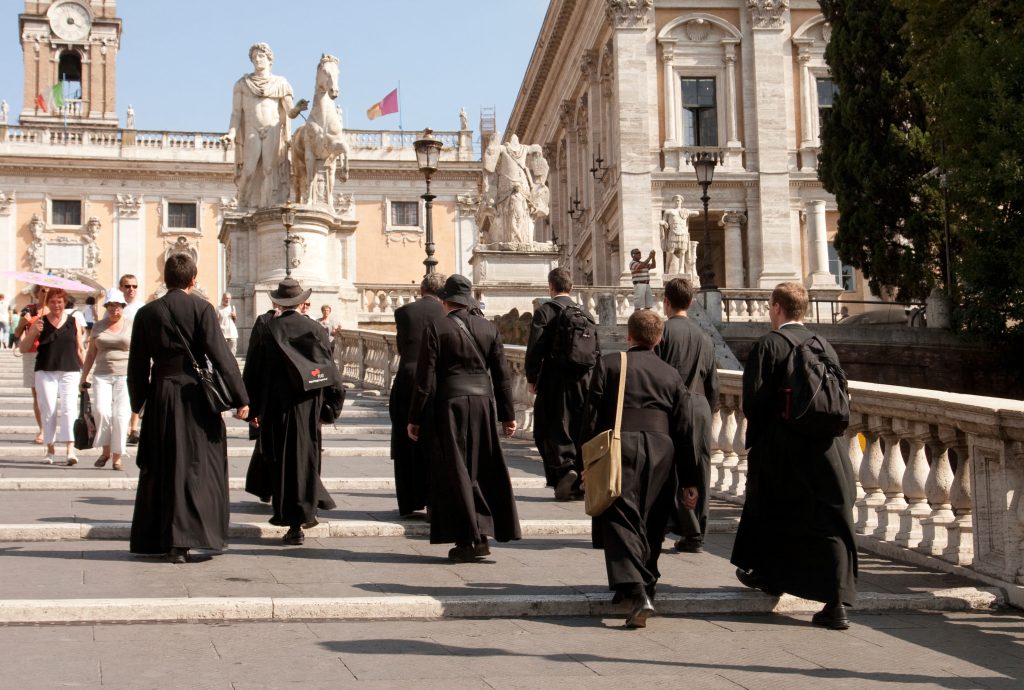
Vatican launches healthcare initiative for missionaries and religious outside insurance system
Not all consecrated religious and missionaries are covered by the Vatican’s internal health insurance. A new initiative aims to change that, creating a dedicated healthcare framework built around solidarity rather than employment status The Vatican has launched a new initiative aimed at expanding access to healthcare for consecrated men and women, missionaries and other Church personnel who fall outside the scope of its existing health insurance system. An agreement signed on 13 July between the Governorate of Vatican City State, RBHold S.p.A. and the Futuro Salute ETS Foundation establishes what the Vatican described as a project of “ethical and social value” intended to study, develop and implement a sustainable model of healthcare for categories of people who are either not enrolled in, or are ineligible for, the Vatican’s Health Insurance Fund. The agreement was signed at the Governorate Palace by Sr Raffaella Petrini, President of the Governorate of Vatican City State, together with Roberto Favaretto, President of RBHold S.p.A., and Marco Favaretto, Managing Director of the Futuro Salute ETS Foundation. Rather than creating an immediate replacement for the Vatican’s existing healthcare arrangements, the project seeks to establish a long-term organisational and financial framework capable of supporting prevention, medical treatment and assistance for those who have traditionally remained outside the reach of the Holy See’s internal healthcare structures. Announcing the initiative, the Governorate said the project aims to “promote access to prevention and treatment pathways through a dedicated organisational and economic model”. It added that the initiative would be developed according to “an economic and financial model based on the principles of mutual solidarity and sustainability, excluding any individual profit-making purpose”. The Governorate also stressed that “the resources committed will be used to support and develop the solidarity objectives that constitute its mission”, adding that the project would be built around a “sustainable medium- and long-term economic model”. Under the terms of the agreement, responsibilities are divided between the three parties. The Governorate will identify those eligible to benefit from the programme while overseeing clinical governance through its Directorate of Health and Hygiene, which will evaluate the appropriateness of treatments and coordinate healthcare pathways. RBHold will contribute its expertise in designing the organisational and financial architecture underpinning the initiative, drawing on its experience in supplementary welfare, healthcare administration, insurance services and pension management. Meanwhile, the Futuro Salute ETS Foundation will focus on promoting the project’s charitable dimension, supporting solidarity initiatives and securing the financial resources required to sustain the programme over the long term. There have long been limitations within the Vatican’s existing healthcare arrangements. Medical coverage for those connected with the Holy See has traditionally centred on the Fondo di Assistenza Sanitaria (FAS), the Vatican’s internal Health Insurance Fund, which primarily serves Vatican employees, residents and other eligible personnel directly linked to the Holy See’s institutions. However, many consecrated religious and missionaries have never fallen within those eligibility criteria. Members of religious institutes often belong to communities that are legally and financially independent of Vatican employment structures, while missionaries frequently serve in countries where access to stable healthcare can be unpredictable and where they rely largely on the resources of their religious communities or local healthcare systems. Although religious orders have historically sought to care for their members through their own networks and charitable support, access to preventive medicine, specialist treatment and long-term care has often varied considerably depending on location and financial resources. The new agreement establishes a dedicated framework specifically tailored to these groups rather than attempting to extend the existing Health Insurance Fund itself. RBHold is an Italian holding company with extensive experience in supplementary welfare systems, healthcare administration and insurance management. Through subsidiaries specialising in healthcare claims administration and technological services, the group has developed expertise in managing large-scale healthcare programmes and welfare systems. The Futuro Salute ETS Foundation, by contrast, is a non-profit organisation dedicated to developing new models of welfare and healthcare based on solidarity. The foundation has previously collaborated with the Vatican on healthcare initiatives, including supporting the Directorate of Health and Hygiene through the donation of ambulances in 2024. Although the agreement represents only the beginning of the initiative, it is an important development in the Governorate’s approach to welfare which will ensure that consecrated men and women, missionaries and other excluded groups are able to benefit from organised healthcare support through a system designed around their circumstances rather than their employment status.
Jul. 15, 2026
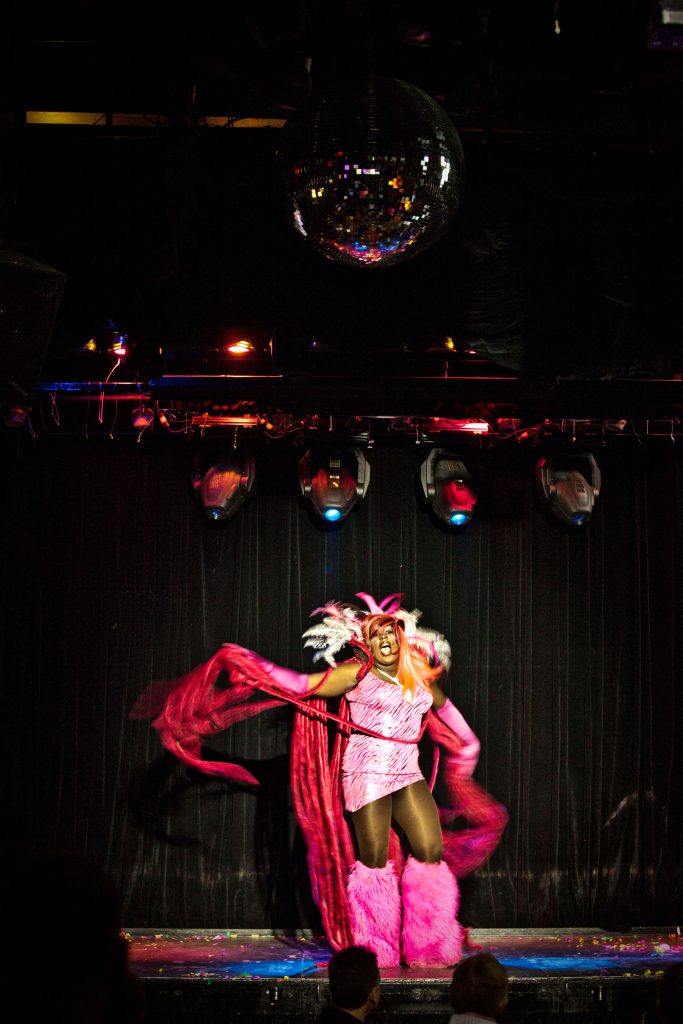
Government-funded drag group ordered to stop events at former Catholic church
A government-funded drag group has been ordered to stop events at a former Catholic church in Sydney after landlords said performances had mocked the religious beliefs of millions of Christians. The venue had received a $100,000 grant from Create NSW Divine Playhouse, a theatre in a deconsecrated Catholic church in Sydney which has received $100,000 in government funding, has been ordered to stop “engaging in offensive trade”. The playhouse, which initially called itself “Unholy Playhouse”, had planned a series of events, including one on Sunday 12 July dubbed “Sunday Mess — An Unholy Brunch Party: The Resurrection”. However, protests from local men’s groups followed the first event. Fit for the Kingdom and the Christian brotherhood Prodigal Sons protested outside the playhouse during “The First Rite – Opening Night” on 8 July. The following day, the landlords sent a notice of breach to the venue’s organiser, Heaps Gay Events, saying it had “insulted and mocked the sincerely held religious beliefs of millions of Christian Australians”. The venue was given two days to cease operations. Heaps Gay describes itself as “coaxing Sydney out of its shell with larger-than-life parties and events since 2013” and says it aims to “spread inclusive love through art”. The building itself was constructed as a Catholic church 158 years ago, but it was deconsecrated in 1932. Since then, it has served as both a theatre and a school. The promotion of the event proved particularly controversial. On the group’s Instagram account, which has since been removed, the bio described it as a “Sanctuary for Mischief”, with a cross as its profile picture. Screenshots seen by AdVaticanum show men dressed as nuns alongside the caption “Sanctifying this wonderful sanctuary”, while another shows a group huddled beside a statue of the Blessed Virgin Mary with the caption “We’ve come a long way baby, Unholy opens this week”. The most offensive image showed a man dressed as a pig offering McDonald’s French fries with the captions “Body of Christ?” and “nom nom”. Despite the offensive nature of the planned events, some defended the playhouse. Australian politician Cate Faehrmann described the criticism as a “wave of manufactured outrage from dangerous conservative activists who want to police what art can exist and who gets to belong in our city”. The organisation has also received strong government backing, with a $100,000 grant from the state’s arts agency, Create NSW. The opening night was attended by several political dignitaries, including Sydney Deputy Lord Mayor Jess Miller. Speaking at the event, Miller said: “What happens between us when we come to places like this is we create cathedral communities that are ultimately so much stronger for being together than for being split.” Speaking to AdVaticanum, Fit for the Kingdom said: “Our most sacred rituals, such as the Holy Sacrifice of the Mass, the Liturgy of the Hours, and practices like exorcism, are not only mocked but incorporated into sexually promiscuous scenes and acts.” Explaining the decision to protest, Fit for the Kingdom’s Tomas Mones-Cazon said: “We believe it is our duty as Christians, and especially as men, to stand up for our faith, raise awareness that this is happening, and, most importantly, pray for the conversion and contrition of heart on the part of the organisers and those involved.” He also made it clear that, while “we would prefer former churches not be turned into nightclubs”, the issue was not the use of a former church for secular events but rather that “our Lord and Saviour is actively being mocked inside the venue, and we will not remain silent in the face of ongoing blasphemy, particularly when it is supported by taxpayer dollars.” Following the cancellation of the events, it is understood that the City of Sydney is considering a proposal to redevelop the former church into luxury apartments.
Jul. 15, 2026
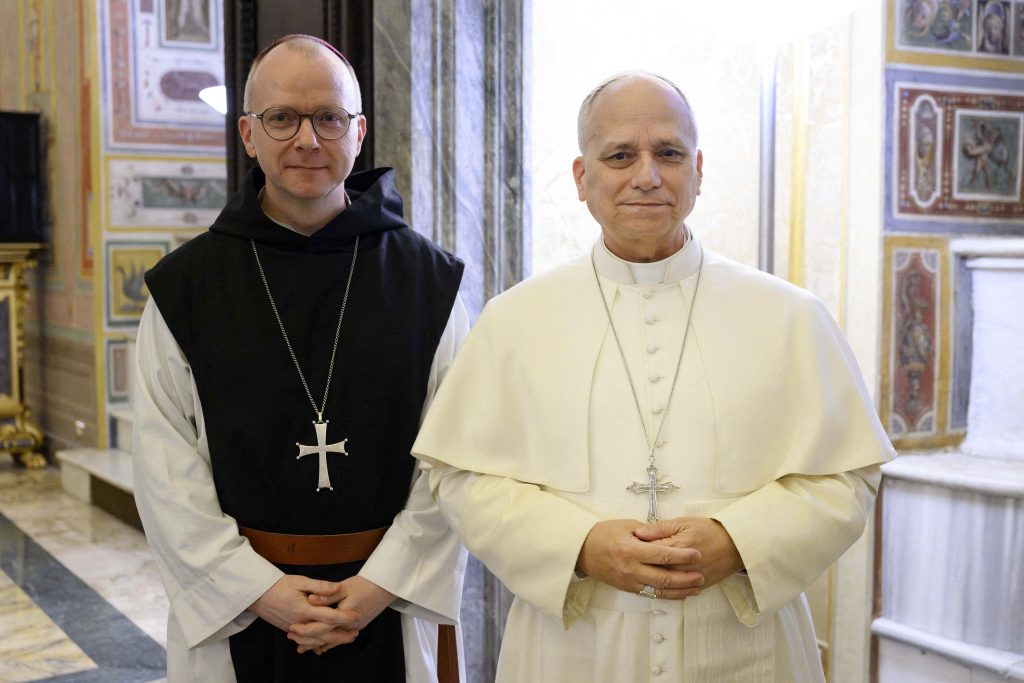
Bishop Erik Varden’s theology of longing, beauty and hope
What explains the remarkable rise of Bishop Erik Varden? From an atheist teenager pierced by Mahler to one of the Church’s most influential writers, his theology offers a compelling vision of the human person, the Cross, and the longing for God In recent times, few Catholic voices have attracted as much attention as Bishop Erik Varden. A Trappist monk, a convert to the Catholic faith from atheism, former Abbot of Mount Saint Bernard Abbey, and now Bishop of Trondheim, Varden is one of the Church’s most prominent writers. His theological contribution received papal recognition when Pope Leo XIV personally invited him to preach the annual Lenten retreat to the Roman Curia, later published as Alight with Hidden Glory . Varden’s growing popularity, however, is not only the result of his appointment to the episcopacy or his invitation from the Holy Father. At a time when many are thirsting for spiritual nourishment, his conferences, interviews and retreats have found a wide audience. Drawing upon Scripture, the Fathers of the Church and contemporary culture, Varden synthesises these influences into a fluid, moving and compelling style of preaching, leading people into a deeper communion with Christ. Bishop Varden was born in Norway in 1974 and baptised into a Lutheran family. When reflecting on the “seeds of his vocation” as a young man, Varden recalls that he “was privileged to grow up in a home marked by goodness, and kindness, and generosity… It wasn’t explicitly religious, but it was always respectful” ( The Napa Institute , 2026). He then describes his outlook as a teenager: “I was very skeptical of established religion when I was fourteen… and I relished my own sense of autonomy and independence and declaring myself removed from all that.” He admits that around this time he identified himself, “with a degree of self-satisfied pride… as an agnostic and even an atheist.” There was, however, a decisive change when Varden was fifteen years old. He recounts that listening to Mahler’s Symphony No. 2 “pierced” him. “I listened to that music and it wounded me, or it revealed a wound in me. It revealed to me that I was carrying something within me that was somehow greater than I was.” This became a decisive turning point, not only because it “set” him on the path towards pursuing his education abroad, but also because it confronted him with what Aristotle calls catharsis : the ability to encounter “normally hidden emotion… [and the] depths in him or herself” (Varden, 2023, p. 14). After completing his schooling in Norway, Varden attended Atlantic College in Wales before studying Theology and Religious Studies at Cambridge. During this period, he encountered serious believers, including a Muslim roommate, who “challenged me intellectually… and encouraged me.” He also made his first visit to a Trappist monastery, an experience that both “frightened” and “haunted” him because of its “degree of radicality”. Yet it was precisely this encounter that drew him towards Catholicism, and at the age of nineteen he was received into the Catholic Church. After becoming a Catholic, Varden did not initially intend to become a monk. However, after a confessor told him, “You will be a housemaster in this place for the next 40 years of your life,” he began to reconsider his future. Having completed a doctorate in Historical Theology, he felt drawn to explore a monastic vocation and joined Mount Saint Bernard Abbey in 2002, making his solemn profession a few years later. Following his Licentiate in Sacred Theology in Rome, he was ordained to the priesthood in 2011. In 2015, he was elected Abbot of Mount Saint Bernard, becoming the first abbot born outside Britain or Ireland in the monastery’s history. His abbacy coincided with a period of renewal and growth, including the development of the monastery’s brewery and greater public engagement through retreats, conferences and writing. In 2019, Pope Francis appointed him Bishop-Prelate of Trondheim in Norway. Consecrated a bishop in 2020, Varden has continued to combine pastoral leadership with writing and preaching, becoming one of the Church’s most influential voices. Beauty, however, remained a recurring theme throughout his life. Just as Mahler’s music awakened in him a longing for transcendence, his later writings repeatedly present beauty as the means by which God wounds the heart and draws it towards Himself. At the heart of Varden’s theology lies a deeply Augustinian understanding of the human person. In a time of uncertainty both in the secular world and within the Church, Varden asks a fundamental question: what does it mean to be human? He answers this simply in Chastity : “To be human is to exist with the sense of an absence to be filled. Only in the light of our human substance’s longing for union with the divine do our lesser yearnings make sense” (Varden, 2023, p. 14). For Varden, this longing is not a defect but the mark of our humanity. As a teenager listening to Mahler’s Second Symphony , beauty awakened desire, and that desire became the beginning of faith. Human beings, Varden argues, are not self-sufficient creatures capable of finding fulfilment within themselves. Rather, they are marked by an innate longing for transcendence. If longing is the beginning of Varden’s theology, the Cross stands at its centre. Modern society, he argues, oscillates between two opposite errors: the “fetishization of woundedness” and “an effort to eliminate wounds or to keep them out of sight” (McGrath Institute for Church Life, 2025). Neither approach brings healing. The answer is found in the Crucified Christ. Reflecting on Christ’s Passion, Varden writes that His wounds “open a different dimension”, making genuine compassion possible: the ability to “lament without suffocating in our lamentation, to lament without yielding to rage, being opened instead to that literally, crucially Christian characteristic, a defining mark of the Christian condition, which is compassion.” Christ’s wounds are not erased; they become the place where divine love is revealed and where redemption is accomplished. They remain in His risen body as signs of redeeming love and His victory over death. The Christian, therefore, should not define himself by his wounds but allow them to be transformed through an encounter with the Crucified and Risen Lord. This conviction explains why hope occupies such a central place in Varden’s preaching. Redemption does not remove the suffering of human life but gives it meaning by drawing it into the mystery of Christ’s Passion, Death and Resurrection. If Varden’s theology begins with human nature, its wounds and its longing for God, it culminates in a vision of freedom. This freedom is not understood in the modern sense as the unrestricted ability to do whatever one pleases, but as the capacity to live in accordance with the way God created us. Varden notes that the word “chastity” is linked to the idea of integrity, from the Latin integer , meaning to be “of one piece”. Such integration, however, requires discipline. Varden illustrates this with the image of a dancer in Chastity : “Years of relentless labor are required to gain that seemingly effortless freedom of movement…” Just as a dancer submits to years of discipline in order to move with grace, so the Christian must undergo a process of spiritual formation in order to live according to God’s design. This discipline is not the denial of human flourishing but its necessary condition. The same theme appears in the Beatitudes, where Christ says: “Blessed are the pure in heart, for they shall see God.” Purity of heart is therefore the gradual integration of the human person, making him capable of perceiving God, his neighbour and himself truthfully. Varden draws on Christ’s words in the Gospel of Matthew, noting that if the eye is “sound”, the whole body is full of light. The opposite of purity is not impurity but confusion, for the pure heart is not the heart that has never struggled, but the heart that has become unified in its pursuit of God. The appeal of Bishop Erik Varden lies in his ability to show that Catholic theology is not a collection of abstract ideas but the answer to the deepest longings of the human heart. Beginning with desire and restlessness, moving through the wounds of Christ, and culminating in a freedom born of hope, his theology presents the Christian life as the gradual restoration of the human person. In a time marked by fragmentation, anxiety and instability, it is a vision that is intellectually rigorous, spiritually rich and profoundly beautiful.
Jul. 15, 2026
Bishop suspends 15% of priests after diocesan reforms
A bishop has suspended six priests, around 15% of his diocesan clergy, as part of a programme of reforms aimed at strengthening discipline, financial oversight and governance within the diocese The Bishop of Maralal, Kenya, has suspended six priests, around 15% of his diocesan clergy, and introduced a comprehensive programme of disciplinary and administrative reforms. Bishop Hieronymus Emusugut Joya, I.M.C., announced the measures during Mass for the Fifteenth Sunday in Ordinary Time at Saints Peter and Paul Parish in Maralal on 12 July, using the occasion to reflect on nearly four years of episcopal ministry in the diocese and the reforms he believes are required to rebuild confidence in its governance. Addressing clergy and faithful, Bishop Joya unveiled what Radio Mchungaji, a Catholic community radio station serving northern Kenya, described as “a comprehensive pastoral and administrative directive”. The bishop said that when he arrived in the Diocese of Maralal in 2022 he encountered deep-rooted difficulties affecting its administration and finances. “It is painful to state that I found the diocese with multiple problems, but no one was willing to tell me the cause of the problems and how to get the solution,” the bishop said, explaining that the situation prompted extensive efforts to stabilise diocesan finances and improve oversight. According to the bishop, one of his first steps was to convene all the priests of the diocese in December 2022, when agreement was reached that parishes and diocesan institutions would contribute towards resolving financial challenges. While support was forthcoming from many quarters, he indicated that the programme had not enjoyed universal cooperation. Responding to criticism that he had repeatedly appealed for financial assistance, Bishop Joya defended the administration’s stewardship of donated funds. He said money received by the diocese had been used to settle outstanding debts, undertake audits, restructure diocesan systems, strengthen administrative procedures and support development projects across parishes and Church institutions. The bishop also announced the suspension of six priests. Those suspended are Fr Paul Maina, Fr Peter Musau, Fr Stephen Lekasuyan, Fr Peter Nderitu, Fr Christopher Letikirich and Fr John Dida. The suspensions relate to allegations of abuse of ecclesiastical authority, negligence in administration and the mismanagement of the temporal goods of the Church. Bishop Joya stressed that the action had not been taken lightly and insisted that canonical procedures had been followed. “I do not accuse any priest without credible evidence,” the Kenyan bishop said, adding that after receiving reliable information concerning misconduct he had acted “in accordance with the Code of Canon Law” in order to “protect the integrity of the priesthood and the proper stewardship of Church property”. Alongside the disciplinary action, Bishop Joya issued a series of binding directives for all priests serving in the Diocese of Maralal, with immediate effect. The measures cover priestly conduct, financial administration, the use of Church property and daily life within parish communities. Among the most striking changes is the requirement that priests return to their presbyteries by 7.00 pm for evening prayers. Priests are no longer permitted to spend the night away from their residence without the bishop’s permission, while no lay person may stay overnight in a priest’s residence or religious convent unless authorisation has first been granted. The bishop also imposed strict rules concerning alcohol. Priests are forbidden from drinking in bars or consuming alcohol within parish and institutional residences, and any priest who is intoxicated or under the influence of alcohol is prohibited from celebrating the liturgy. Priests are also prohibited from owning or operating private businesses unrelated to the Church, while they are also barred from acquiring property in the names of relatives unless they can satisfactorily demonstrate the legitimate source of the funds involved. Bishop Joya also explicitly prohibited priests from cohabiting or engaging in intimate relationships “with persons of either the opposite or the same sex.” Further administrative directives concern diocesan property and financial governance. Vehicles and motorcycles belonging to the diocese are to be driven only by officially designated personnel, with responsibility for maintenance resting with the parish, institution, office or Church group to which they are assigned. The bishop likewise directed that parish and institutional finances be administered transparently, insisting that finance councils and committees must be allowed to carry out their responsibilities effectively. Parish councils and governing boards are expected to prepare annual budgets and ensure regular audits, while Church leaders and accounting officers are required to comply with both ecclesiastical and civil law. The Diocese of Maralal is relatively small by comparison with many African dioceses, comprising 15 parishes served by 39 priests, including 30 diocesan clergy and nine religious priests. The scale of the suspensions therefore affects a notable proportion of its presbyterate, underscoring the significance of the bishop’s intervention. At the same time as announcing the disciplinary measures, Bishop Joya introduced a number of pastoral appointments intended to strengthen parish leadership. The bishop concluded by urging Catholics to pray for the suspended priests as they enter what he described as a period of reflection on their priestly vocation and ministry. He also asked Catholics throughout the Diocese of Maralal to continue praying for the local Church and for its leadership as it seeks to overcome the difficulties he says have confronted the diocese since his arrival. Bishop Joya views reform not as a single event but as an ongoing process aimed at restoring confidence in diocesan governance while safeguarding what the bishop described as “the integrity of the priesthood and the proper stewardship of Church property.”
Jul. 14, 2026
French bishop says Catholic MPs backing assisted suicide should not receive Communion
A French bishop has warned Catholic lawmakers who support assisted suicide legislation should not receive Holy Communion. The intervention was made by Bishop Marc Aillet of Bayonne just days before members of the French National Assembly are expected to vote on the government’s controversial end-of-life bill on 15 July. Speaking to France Catholique on 7 […] A French bishop has warned Catholic lawmakers who support assisted suicide legislation should not receive Holy Communion. The intervention was made by Bishop Marc Aillet of Bayonne just days before members of the French National Assembly are expected to vote on the government’s controversial end-of-life bill on 15 July. Speaking to France Catholique on 7 July, Bishop Aillet argued that support for euthanasia is not simply a matter of differing political judgement but concerns an objective moral principle rooted in both Christian doctrine and natural law. “When a member of parliament declares himself Catholic while supporting legislation that authorises taking a life, he objectively places himself in opposition to a constant teaching of the Church, but also to a fundamental principle of human reason,” Bishop Aillet said. The bishop used Samaritanus Bonus , the 2020 instruction issued by the Congregation for the Doctrine of the Faith, to justify his position. The letter states that it is “an intrinsically evil act, whatever the circumstances”. Referring to Catholic politicians serving in public office, Bishop Aillet said: “A Catholic engaged in public life cannot ignore this.” His comments go beyond a reiteration of Church teaching by directly addressing the sacramental implications for Catholic legislators. Asked whether supporting the legislation carried spiritual consequences, Bishop Aillet replied that it did because “the Christian faith engages one’s entire existence”. While stressing the need for every individual to examine his or her conscience, he argued that public support for legislation fundamentally opposed to Catholic moral teaching created “a real problem of ecclesial coherence”. “The Catholic parliamentarians who voted for this bill must weigh the consequences,” the bishop said. “If they are aware of this inconsistency, they will no longer be able to receive Communion.” Bishop Aillet added that “the Church is justified in reminding them of this, as some bishops have done in the United States”, before inviting Catholic lawmakers to undertake “a sincere examination of conscience”. Bishop Aillet also challenged one of the principal arguments advanced by supporters of the legislation: that euthanasia represents an act of compassion towards those enduring profound suffering. “We must distinguish true compassion from what John Paul II called ‘false mercy’,” the bishop said. “A truly fraternal society does not respond to distress by eliminating the suffering individual, but by developing palliative care, psychological, familial and spiritual support.” He further rejected the suggestion that the legislation represented an expansion of personal freedom. “Authentic freedom is ordered toward the good,” Bishop Aillet argued, warning that public understanding of the issue had become distorted by “the dominant discourse that seriously clouds consciences” and “the media onslaught influenced by powerful lobbies”. Bishop Aillet urged Catholics to educate themselves and to offer practical support to those who are sick, elderly or isolated. The bishop also addressed the pastoral challenges posed by requests for euthanasia. While reiterating that suicide remains “objectively contrary to the will of God”, Bishop Aillet emphasised that the Church continues to recognise the complex personal circumstances that may diminish an individual’s freedom, including suffering, loneliness, depression and social pressure. The bishop said priests should accompany those requesting euthanasia by helping them “rediscover hope, reconcile with God, and renounce their plan”, describing authentic pastoral care as encouraging patients “to choose life until its natural end, never condoning a lethal act”. Particular concern was also expressed for healthcare workers who could find themselves required to implement the law should it ultimately be enacted. Bishop Aillet warned that doctors, nurses and other medical professionals entered their vocation to care for patients rather than intentionally end their lives. “My first thought is the moral dilemmas this law risks creating,” Bishop Aillet said. “Healthcare professionals chose their profession to care for, relieve and support patients. Now they would be asked to participate in the killing of a patient.” For that reason, he insisted that “civil law cannot abolish the demands of moral conscience” and argued that robust legal protection for conscientious objection would be essential, regardless of whether healthcare workers were religious believers. Bishop Aillet also questioned whether France wished to force institutions founded upon respect for human life into closure or exile. “Do we want these establishments to close, when they manage tens of thousands of beds?” Bishop Aillet asked. “Do we want them to go into exile abroad, like the religious orders expelled from France at the beginning of the 20th century? Are we going to imprison the nuns who do not comply with this law?” He concluded that “we must defend the freedom of these institutions with determination.” The bishop also reflected on Pope Leo XIV’s forthcoming visit to France, whose chosen motto is “So that the world may have life”. Although acknowledging that the legislation could be approved before the Pope arrives, Bishop Aillet argued that the Church’s witness would remain unchanged regardless of the parliamentary outcome. “Even if a law is passed, it does not end the duty of Christians to bear witness,” he said. “I expect the Holy Father to forcefully reaffirm the inalienable dignity of all human life.” He also expressed the hope that Pope Leo would encourage families, caregivers, volunteers and all those accompanying the sick and elderly, insisting that “the ultimate issue is spiritual”. “A society weakens when it presents death as a solution,” he said, before concluding that Christ came “so that people may have life, and have it to the full”, a hope which “the Church will continue to proclaim, regardless of legislative developments.” This publication has previously reported that Pope Leo XIV is believed to have held a series of direct telephone conversations with President Emmanuel Macron devoted exclusively to the proposed euthanasia and assisted suicide legislation. The proposed legislation has been championed by President Emmanuel Macron’s government under the language of “aid in dying”, with ministers presenting the measure as a compassionate response for adults suffering from incurable illness accompanied by unbearable and untreatable suffering. Opposition has remained. The bill has already encountered significant resistance in the Senate, where a third vote rejected the legislation by a narrow margin before returning it to the National Assembly for what may become its decisive reading.
Jul. 14, 2026