

Latest
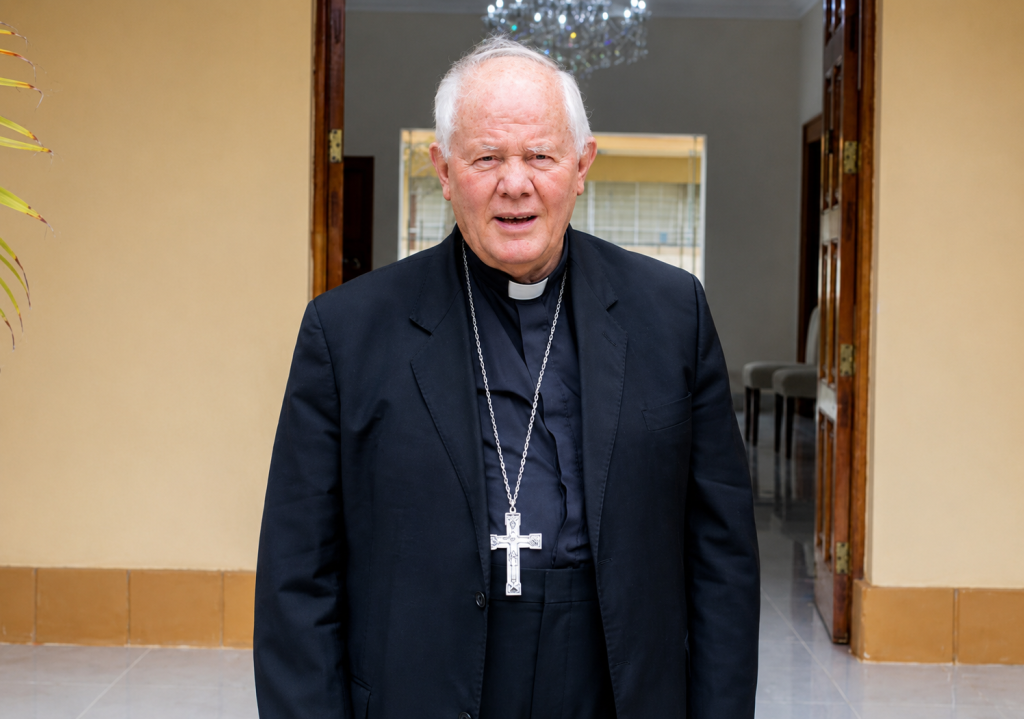
Pope Leo XIV accepts resignation of Peruvian bishop accused of sexual abuse
Pope Leo XIV has accepted the resignation of Bishop Antonio Santarsiero Rosa of Huacho, Peru. The bishop stands accused of sexual abuse and leaves office after reaching the canonical retirement age of 75 Pope Leo XIV has accepted the resignation of a Peruvian bishop as attention begins to turn towards the Pontiff’s expected journey to Latin America in November. The Holy See Press Office announced on 15 July that the Pope had accepted the resignation of Bishop Antonio Santarsiero Rosa, O.S.J., from the Diocese of Huacho after he reached the canonical retirement age of 75. No successor has yet been appointed, leaving the diocese temporarily without a bishop as the Vatican considers its next appointment. Bishop Santarsiero, who turned 75 on 13 June, was required under Canon 401 §1 of the Code of Canon Law to submit his resignation upon reaching the customary retirement age for bishops. Allegations have been made against the bishop, although the Vatican’s announcement made no reference to the accusations. A priest in 2024 submitted a dossier to the Apostolic Nunciature in Lima and to the Dicastery for Bishops alleging that Bishop Santarsiero had sexually abused both a former seminarian and the priest himself. According to the allegations, the former seminarian claimed that the bishop subjected him to unwanted sexual contact over a period of years beginning while he was still a minor. The complaint further alleged that promises of scholarships, employment and opportunities within the diocese were used to exert influence over him. The same dossier also contained allegations from a priest who had previously served as Bishop Santarsiero’s secretary. According to the documentation, the priest claimed he had been subjected to unwanted physical contact and psychological pressure. The complaint further alleged that, after rejecting the bishop’s alleged advances, attempts were made to undermine his credibility by circulating claims about his sexual orientation. When the allegations became public earlier this year, Bishop Santarsiero rejected them in their entirety. As the accusations attracted increasing attention, the bishop stepped aside from his responsibilities as Secretary General of the Peruvian Episcopal Conference, stating that he wished to “clarify the truth”, according to the conference’s statement. He has continued to categorically deny every allegation made against him. According to the material submitted by the complainant, documentation detailing the accusations was first presented to Cardinal Robert Prevost, then Prefect of the Dicastery for Bishops, in November 2024 before being personally delivered in Rome the following month. The Vatican has not publicly confirmed receipt of those submissions or indicated whether a canonical investigation was opened in response. The case has attracted attention because of the relationship between the then Cardinal Prevost, now Pope Leo XIV, and Bishop Santarsiero within the Peruvian episcopate. Both men served together in the leadership of the Peruvian Episcopal Conference for several years. Bishop Santarsiero became president of the conference’s Economic Council in 2017, while then Bishop Robert Prevost was elected Second Vice-President in 2018. Both were re-elected to those positions in 2022 for the 2022–2025 term and worked alongside one another until Pope Francis appointed Archbishop Prevost Prefect of the Dicastery for Bishops in January 2023. Their association did not end with Archbishop Prevost’s move to Rome. The two bishops continued to appear together at ecclesiastical events, including a Mass celebrated by Cardinal Prevost in Chiclayo in November 2023, which Bishop Santarsiero attended. There is no evidence or suggestion that either as Bishop or Pope that Pope Leo XIV had any reason to suspect that Bishop Santarsiero was behaving improperly. Their association is normal and expected with their ecclesiastical positions. Born in Avigliano, Italy, in 1951, Bishop Santarsiero entered the Oblates of St Joseph in 1973 after qualifying in typography. He pursued philosophical and theological studies at the Pontifical and Civil Theological Faculty of Lima before being ordained to the priesthood on 14 June 1980. His episcopal ministry began in 2001 when Pope St John Paul II appointed him Prelate of Huari. Following his episcopal ordination later that year, he led the territorial prelature until 2004, when the same Pope transferred him to the Diocese of Huacho. Bishop Santarsiero formally took possession of the diocese on 25 April 2004 and remained there for more than 21 years. The timing of the resignation is also notable given Pope Leo XIV’s expected apostolic journey to Latin America later this year. As AdVaticanum has previously reported, unlike the Pope’s recent visit to Spain, which centred on a single country, the November trip is expected to encompass several countries. AdVaticanum understands that the Holy See is preparing an itinerary that will include Peru, Uruguay and Argentina, with elements of the Peruvian programme already beginning to emerge ahead of an official announcement expected later this month. The acceptance of Bishop Santarsiero’s resignation removes one unresolved leadership issue in the Peruvian Church before the Pope’s anticipated arrival. The Holy See has offered no explanation beyond accepting the resignation submitted in accordance with canon law, but the decision leaves the Diocese of Huacho vacant as preparations continue for the Pontiff’s expected visit to the region. AdVaticanum understands that Peru is expected to present the greatest challenges during the visit, primarily because of continuing tensions surrounding the Archdiocese of Lima. Local reporting has pointed to ongoing internal disputes and power struggles linked to a series of decisions taken by Cardinal Carlos Castillo. AdVaticanum further understands that planned public appearances involving Pope Leo XIV and Cardinal Castillo have been kept to a minimum, effectively sidelining the Archbishop of Lima during the anticipated visit.
Jul. 16, 2026
Bishop asks women to stop pursuing Catholic priests
After suspending six priests and introducing reforms across the Diocese of Maralal, Bishop Hieronymus Joya has appealed to women not to pursue relationships with Catholic clergy, defending priestly celibacy and warning that priests remain vulnerable to temptation The Bishop of Maralal has asked for women not to pursue relationships with Catholic priests. Bishop Hieronymus Emusugut Joya, I.M.C. made the remarks after introducing disciplinary measures across the Diocese of Maralal and suspending six priests over allegations ranging from adultery to the abuse of ecclesiastical authority, negligence in administration, and the mismanagement of Church property. “For those intending to tempt priests and force them into affairs that go against their beliefs and priestly calling, please stop,” the bishop said. “These priests are human and have feelings. If you convince them, they might fall.” His intervention came as he defended the Church’s expectation of priestly celibacy while addressing recent disciplinary action within the diocese. Referring to priests who maintain relationships or have children, Bishop Joya questioned how they could faithfully fulfil their ministry while carrying responsibilities incompatible with their vocation. “How can you do the business of God when you have private businesses, a woman, and a child to support?” the Kenyan bishop asked. The latest comments follow reforms announced during Mass, when the bishop outlined what he described as a determined effort to restore discipline, accountability and sound governance throughout the northern Kenyan diocese. The disciplinary measures include the suspension of Fr Paul Maina, Fr Peter Musau, Fr Stephen Lekasuyan, Fr Peter Nderitu, Fr Christopher Letikirich and Fr John Dida. According to Bishop Joya, the sanctions were imposed only after credible evidence had been gathered and canonical procedures observed. “I do not accuse any priest without credible evidence,” he said, explaining that he had acted “in accordance with the Code of Canon Law” to safeguard both “the integrity of the priesthood and the proper stewardship of Church property”. The six suspensions represent around 15 per cent of the diocese’s clergy. During his latest remarks, he also disclosed that one of the priests concerned had contributed to the closure of Wamba Hospital, although he did not elaborate further. Alongside the suspensions, Bishop Joya has introduced a series of binding regulations governing priestly life throughout the diocese. Priests are now required to return to their presbyteries by 7.00 pm each evening for community prayer and may not spend the night away from their residence without the bishop’s permission. Overnight stays by lay people in priests’ residences or religious houses have likewise been prohibited unless prior authorisation has been granted. The reforms also tighten expectations surrounding alcohol, financial administration and personal conduct. Priests are forbidden from drinking in bars or consuming alcohol in parish residences, while anyone found intoxicated is barred from celebrating the liturgy. “It is painful to state that I found the diocese with multiple problems, but no one was willing to tell me the cause of the problems and how to get the solution,” the bishop said. Research by A. W. Richard Sipe, based primarily on interviews with North American clergy, estimated that only around 50 per cent of priests were practising celibacy at any given time, with others engaging in sexual relationships with adults. Vincent Doyle has suggested that priests have fathered thousands of children globally among the approximately 415,000 Catholic clergy, indicating that non-adherence is not uncommon, although precise figures are unavailable owing to underreporting and secrecy. In Africa, qualitative reports have documented cases of priests violating celibacy through relationships and fathering children, often with cultural pressures playing a part. A 1988 report from Malawi described local priests impregnating 29 nuns in one women’s congregation. In Kenya’s Samburu region, a priest has previously been linked to fathering a child with a 16-year-old girl. Reports have also documented priests maintaining secret families in various African countries, contributing to breakaway churches of married former priests in Uganda that have attracted thousands of followers. Photo: Ramogi TV. Read more
Jul. 16, 2026
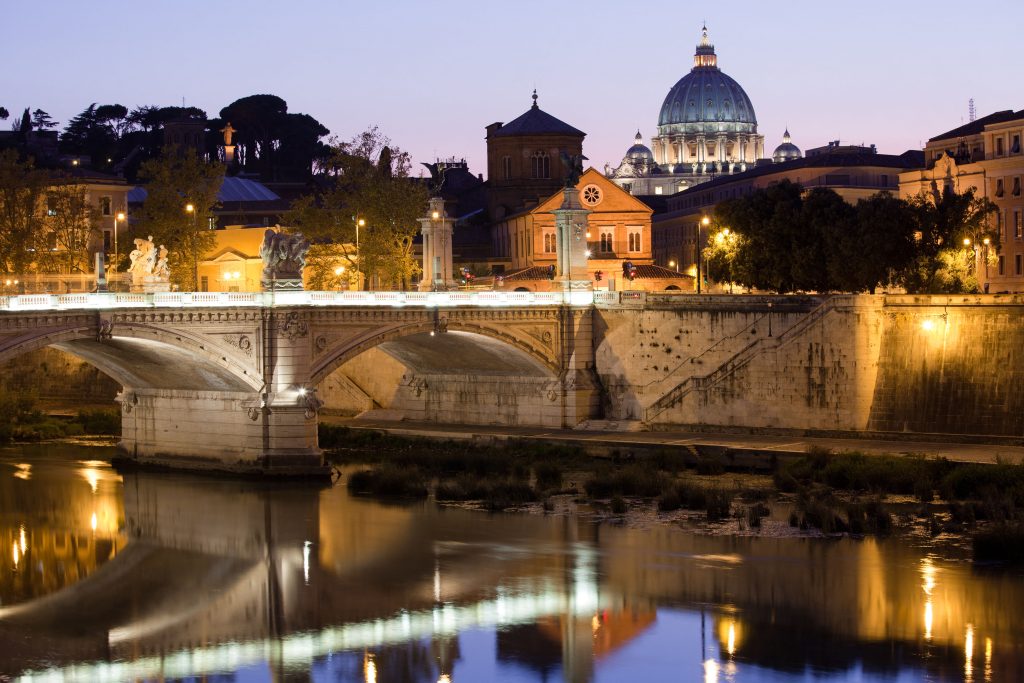
Vatican Bank appoints Giovanni Boscia as new director general
The Vatican Bank has appointed Giovanni Boscia as its next director general, promoting the current deputy director general following the retirement of Gian Franco Mammì after eleven years in the role. Boscia takes over at the Institute for the Works of Religion as the Holy See’s long-running programme of financial reform continues The Vatican Bank has selected one of its own senior executives as the next director general of the Institute for the Works of Religion (IOR). The IOR announced on 15 July that Giovanni Boscia, currently deputy director general, will take up the post on 1 October, succeeding Gian Franco Mammì, who is retiring after reaching the mandatory retirement age. Mammì, who has led the Institute since 2015, will remain in office until the end of September, bringing to a close an eleven-year tenure that encompassed one of the most significant periods of reform in the Vatican’s financial institutions. The appointment was approved by the Institute’s Board of Superintendence and the Supervisory Cardinals’ Commission. The Institute said the appointment reflects “a robust governance structure based on a clear distinction between the supervisory, governing, and management bodies, and designed to ensure transparency and stability”. Under the Institute’s governance model, the director general reports to the Board of Superintendence, which is itself overseen by the Commission of Cardinals. Alongside these governing bodies, the Institute is assisted by an on-site prelate, currently Msgr Battista Mario Salvatore Ricca, whose role is to help ensure that the Institute’s administration remains faithful to Catholic ethical principles and the religious mission for which it exists. The director general is responsible for directing and overseeing the Institute’s administration, organisation and personnel, making the position one of the most influential within the Holy See’s financial structures. Announcing the transition, outgoing director general Gian Franco Mammì reflected on the changes implemented during his years in office. “Since 2015, in close collaboration with the other governing bodies, I have led the IOR through an intense and challenging process of renewal and compliance with international financial sector regulations, while upholding the ‘unique’ mission that distinguishes it and consistently documenting the results in the Institute’s annual reports,” Mammì said. Mammì stated that the Institute had emerged from a demanding period in a considerably stronger position. “I leave my successor a solid, transparent Institute that is fully recognized internationally, the result of the expertise of the men and women who work there, their dedication, and their quiet commitment, which does not seek the limelight but constitutes the Institute’s most authentic strength,” Mammì said. Expressing gratitude for the confidence placed in him by Pope Francis when he assumed office, Mammì added that he handed responsibility to Boscia “with unity, prudence, and vision, in fidelity to the Institute’s mission”. The appointment also received the backing of François Pauly, president of the Board of Superintendence, who praised Mammì’s contribution to the Institute’s development. “On behalf of the Board of Superintendence, I wish to express our deep gratitude to Gian Franco Mammì for his eleven years of service to the Institute, carried out with dedication, a sense of responsibility, and constant attention to the IOR’s mission,” Pauly said. Reflecting on the reforms undertaken during Mammì’s tenure, Pauly added, “Under his leadership, the Institute has grown, strengthened, navigated delicate transitions, and progressively consolidated its commitment to transparency, governance, controls, and compliance.” Turning to Boscia’s appointment, Pauly emphasised both continuity and experience. “The appointment of Giovanni Boscia, who has risen through the ranks within the Institute, reflects his in-depth knowledge of the IOR and his solid experience in international financial markets. We are confident that he will lead the Institute with rigour and a spirit of service, in full accordance with its mission in support of the Holy Father, the Holy See, and the Universal Church.” Boscia graduated with honours from Bocconi University before completing both a Master’s degree in Finance and an Executive MBA at London Business School. He also holds internationally recognised financial qualifications, including CFA, CAIA and FRM certifications. Boscia, 55, has steadily risen through the ranks since joining the Institute in 2019 as head of finance and chief financial officer. Before arriving at the Vatican, he built a three-decade career in London, working for major financial institutions including Salomon Brothers, Citigroup, Royal Bank of Scotland and Credit Suisse First Boston. The modern reform of the Institute for the Works of Religion began under Pope Benedict XVI and accelerated significantly after the election of Pope Francis in 2013. Benedict established the Vatican’s first anti-money laundering framework in 2010 and invited the Council of Europe’s MONEYVAL committee to evaluate the Holy See’s financial system against international standards. MONEYVAL’s first full assessment in 2012 identified important progress but also highlighted significant shortcomings in anti-money laundering controls and financial oversight, prompting a sustained programme of legislative and institutional reform. Subsequent progress reports recognised that the Holy See had strengthened its legal framework, expanded international cooperation and improved supervision of the IOR. After his election, Pope Francis made financial reform one of the defining administrative priorities of his pontificate. Rather than abolishing the IOR, an option reportedly considered early in his papacy, Francis chose to modernise it. The Institute underwent extensive customer reviews, strengthened compliance procedures, adopted international banking standards and increased transparency through regular audited annual reports. In 2019, Francis approved new statutes for the IOR, making external audits mandatory, reinforcing governance structures and introducing stricter rules on conflicts of interest and employee conduct. The reform process continued throughout Francis’s pontificate. In 2022, a papal rescript required the Holy See’s dicasteries and institutions to transfer their liquid assets to the IOR, making the Institute the exclusive manager of the Holy See’s movable financial assets in an effort to centralise oversight and improve accountability. This was followed in 2023 by revised statutes aligning the IOR with the Apostolic Constitution Praedicate Evangelium . The new statutes simplified the Institute’s governance by placing executive authority in a single director general, clarified the responsibilities of the Board of Superintendence, and introduced tighter rules on appointments, mandates and conflicts of interest.
Jul. 16, 2026
Cardinal Sarah warns Europe against ‘ideological colonisation’ of Africa
Cardinal Robert Sarah has warned that Europe is using aid, trade and diplomacy to export ideological values to Africa, arguing that ambiguous language on issues such as abortion and gender is being used to influence sovereign nations Cardinal Robert Sarah has warned that Europe risks using its economic and diplomatic influence to impose heterodox ideological values on African nations through what he described as “ideological colonization”. Speaking at a conference in the European Parliament in Brussels examining relations between Europe and Africa, Cardinal Sarah centred his address on what he called a growing “crisis of language” in international diplomacy, contending that key political concepts have become so ambiguous that they can be used to advance ideological objectives without transparent public debate. The conference, organised by the European Conservatives and Reformists (ECR) Group in collaboration with Pro Vita & Famiglia at the initiative of MEPs Paolo Inselvini and Nicolas Bay, brought together politicians, diplomats and representatives of civil society. It opened with remarks from the organisers before institutional greetings from Antonella Sberna, Vice-President of the European Parliament, and Archbishop Bernardito Cleopas Auza, the Apostolic Nuncio to the European Union. The meeting also saw the presentation of a Pro Vita & Famiglia dossier entitled Conditional Aid: The European Union and Africa: Financial, Legal, and Commercial Instruments on Abortion, the LGBTQ+ Agenda, and Sexuality Education . The report uses official documents covering the period from 2000 to 2026 to examine international treaties, parliamentary resolutions, funding mechanisms and African governmental responses relating to European engagement with the continent. Building on themes raised in that report, Cardinal Sarah questioned whether Europe and Africa still understood the language that increasingly shapes international negotiations. “Can we still understand each other?” he asked. “Do the words we use – human rights, dignity, development, freedom, health, gender, family – still mean the same thing to those who pronounce them in Brussels, Strasbourg, Kampala, or Conakry?” The cardinal argued that expressions frequently used in international agreements no longer possess universally accepted meanings. Referring specifically to the phrase “sexual and reproductive health”, Cardinal Sarah maintained that the expression is often understood as including abortion, while the language of “gender equality” may be interpreted as promoting “the deconstruction of the sexual difference between man and woman inscribed in the human body”. According to Cardinal Sarah, such ambiguity allows politically contentious policies to become embedded within international cooperation frameworks without governments or citizens fully recognising their wider implications. “A treaty, a resolution, or an action plan that uses imprecise and ambiguous vocabulary is not an instrument of cooperation, but an instrument of perversion and silent power,” Cardinal Sarah said. The Guinean cardinal argued that whoever controls the meaning of political language ultimately determines the direction of negotiations themselves, describing the process as “a form of cultural and economic neocolonialism”. Much of the address focused on the European Union’s cooperation agreements with African states, particularly the Samoa Agreement signed in 2023, alongside wider EU financial programmes supporting development across the continent. Referring to those frameworks, Cardinal Sarah stated: “Here appears in a verifiable way the ideological colonization: the use of trade and finance to intervene in the criminal and family legislation of a sovereign state, directly violating the principle of self-determination of peoples.” Summarising his appeal, Cardinal Sarah declared: “No to ideological colonization of Africa, but genuine subsidiarity.” Throughout the address, the cardinal referenced papal teaching. He cited Pope Leo XIV’s encyclical Magnifica Humanitas , particularly passages warning against manipulative language capable of reducing human beings to statistics. Cardinal Sarah also referred to Pope Leo’s address to the diplomatic corps earlier this year, recalling the pontiff’s appeal that “we need words to once again express certain realities unequivocally. Only in this way can authentic dialogue, free from misunderstandings, resume.” The cardinal also drew upon the teaching of Pope Benedict XVI, questioning whether European legislation presented as neutral in fact advances a particular vision of the human person. “Isn’t European legislation that claims to be neutral toward every anthropological vision but imposes a specific and contestable vision of humanity slipping into the irrationality against which Pope Benedict warned us?” Cardinal Sarah asked. The address likewise echoed Pope Francis’s repeated criticism of what the late pontiff termed “ideological colonization”. Cardinal Sarah recalled Pope Francis’s warning: “Let us be wary of new ideological colonizations that seek to destroy the family.” Developing that argument, Cardinal Sarah criticised funding arrangements and international assistance which he said are increasingly linked to policies concerning abortion and gender ideology. Referring to the Pro Vita & Famiglia report presented during the conference, Cardinal Sarah argued that development partnerships should respect the sovereignty of African nations rather than seek to reshape their domestic legislation through financial incentives. The cardinal also challenged what he described as changing definitions surrounding abortion and sexuality within international discourse. “The lack of access to abortion is defined as ‘violence’,” Cardinal Sarah said, “while the unborn child—the weakest, the most innocent among us—is deprived of any voice, any representation, any rights.” Similarly, Cardinal Sarah argued that programmes promoting sexual education without consultation in receiving countries could themselves constitute a form of external interference rather than genuine international cooperation. As examples of African constitutional traditions, Cardinal Sarah referred to Kenya and Uganda. Kenya’s constitution, he noted, provides that “a person’s life begins at conception”, while Uganda’s constitution states that “no person has the right to end the life of an unborn child, except as authorized by law”. Rather than viewing such constitutional provisions as outdated, Cardinal Sarah described them as “a fragment of legal wisdom… that the West would do well to reconsider rather than correct”. Returning to the broader relationship between Europe and Africa, Cardinal Sarah argued that African societies possess religious and cultural traditions deserving of respect rather than reinterpretation through external political frameworks. “We need respect for Africa’s religious and cultural history, which is not an obstacle to development, as is sometimes insinuated in the corridors of Brussels, but is a fundamental requirement,” Cardinal Sarah said. “A people has the right to live, preserve, and transmit its own religious and family culture, just as every individual has the right to profess their faith.” He concluded by urging Europe to reassess the foundations of its engagement with African nations. “Europe must examine its conscience, listen to Africa, and respect its cultural sovereignty, offering free cooperation unconstrained by ideologies. Africa itself can offer the testimony of a living faith and a sense of family that can help Europe rediscover its own logos .” Speaking afterwards to members of the foreign press on the sidelines of the conference, Cardinal Sarah returned to the principle of self-determination that had underpinned his address. “We must respect the centrality of man, because he is the image of God, just as we must respect peoples in their self-determination,” Cardinal Sarah said. “No one should be forced to accept a law that goes against their nature, against their religious convictions, or against their human convictions. And so we can live together in peace.”
Jul. 16, 2026
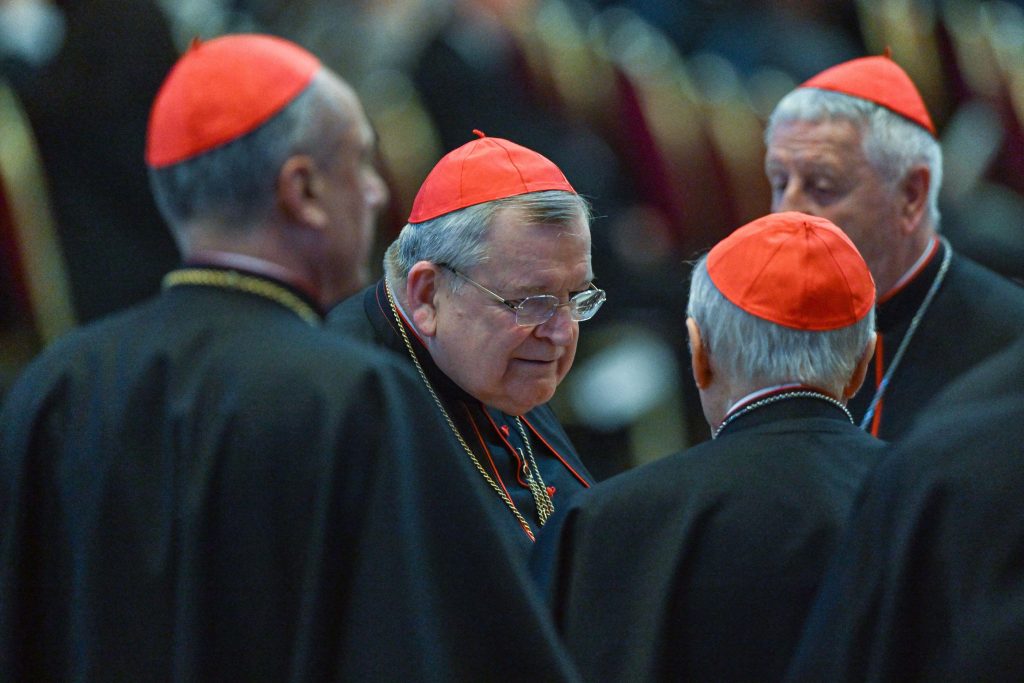
“The process has to be stopped” Cardinal Burke on synodality
In an interview with The College of Cardinals Report, Cardinal Raymond Burke calls for the Synod on Synodality to be stopped and completely reoriented. He also comments on Study Group 9, the SSPX and the future of the Traditional Latin Mass Cardinal Raymond Burke has called for synodality to be stopped. Speaking in an interview with The College of Cardinals Report on 28 June, the day after the close of the Extraordinary Consistory, the 78-year-old Cardinal said that there “is no history of synodality” in the Church. He further insisted that “this whole synodality business be stopped” and that “a very serious study be done on the whole matter” because “we are talking about the salvation of souls.” When asked about a Cardinal who had spoken out against synodality, Cardinal Burke said there was “more than one”. He said the crux of the criticism was that “in all the documents that come out, there is no definition of synodality”. In response to these criticisms, Cardinal Burke said that one Cardinal at the consistory remarked, “You know it by doing it”, which he described as “irrational” and “not the Catholic Faith”. He also warned that synodality carried the danger of “conforming to the world”. He said that those arguing in favour of the approach consistently spoke of a “change in paradigm”, to which the Cardinal responded that the Church does not undergo paradigm shifts because it is “one, holy, Catholic and apostolic”. He acknowledged that, whilst synodality may have good motives in its desire to address the problems of the world, “it is fundamentally flawed” because it neglects the Church’s tradition by failing to give proper emphasis to how “the Church in the past has addressed the world and the situation of the world”. When asked about his own participation at the consistory, Cardinal Burke said he had used his intervention to address the controversy surrounding Synod Study Group 9, one of the ten study groups established by Pope Francis in March 2024 as part of the implementation phase of the Synod on Synodality. The group was tasked with listening to controversial doctrinal, pastoral and ethical questions, but was criticised for appearing to air views that deviated from Church teaching, particularly through testimonies criticising Courage International, an apostolate for Catholics who experience same-sex attraction and seek to live chaste lives. Cardinal Burke said the group had “calumniated Courage, this great apostolate founded by Cardinal Cooke”. He continued: “I’ve known Courage since the 1980s,” adding that the report “accuses Courage of something that I know is false”. He further defended the apostolate, saying: “Courage is a… wonderful apostolate that helps people who suffer from these attractions to live a chaste life.” He described the decision to send Study Group 9’s report to dioceses as “iniquitous”. Recalling his intervention at the consistory, he said he had told the Cardinals that the “process must be stopped” and “completely reoriented”. Cardinal Burke also addressed Cardinal Mario Grech’s use of the final session of the consistory to tell Cardinals that the implementation of synodality represents “a new stage in the reception of the Second Vatican Council”. He said that whilst “some spoke enthusiastically about what he was saying”, others raised “very serious questions”. His Eminence also questioned the omission of the Sacred Liturgy from the agenda of the consistory when “we had this whole crisis brewing” with the Society of Saint Pius X. Referring to the Pontifical Commission Ecclesia Dei , founded in the wake of the 1988 Écône consecrations, he said there was a need for a modern-day equivalent to help those “who do not want to be associated with a schismatic act” to be received into full communion with the Church while continuing to attend the older form of the Roman Rite. He said such a commission would assure the faithful that this form of worship is “guaranteed” to them. Cardinal Burke’s comments are not unexpected, as he is one of the most forthright conservative voices within the Church. What is perhaps surprising, however, is the directness and openness with which they are expressed. The American prelate has openly called for a process that has received a great deal of the Vatican’s time and energy in recent years to be halted. He has also called for a pragmatic approach to the question of the Society of Saint Pius X and suggested a way forward linked to the Traditional Latin Mass. This pithy and realistic manifesto for traditionalist aspirations stands in contrast to the more open-ended proposals of the liberal wing. That approach often speaks in broad terms about listening and adapting or, as in the case of the German Synodal Way, seeks to advance policies that the Church could never promulgate without risking large-scale schism. Whether Cardinal Burke’s comments will result in concrete action remains to be seen, but they provide an erudite and clear explanation of the changes the conservative wing of the Church would like to see.
Jul. 16, 2026
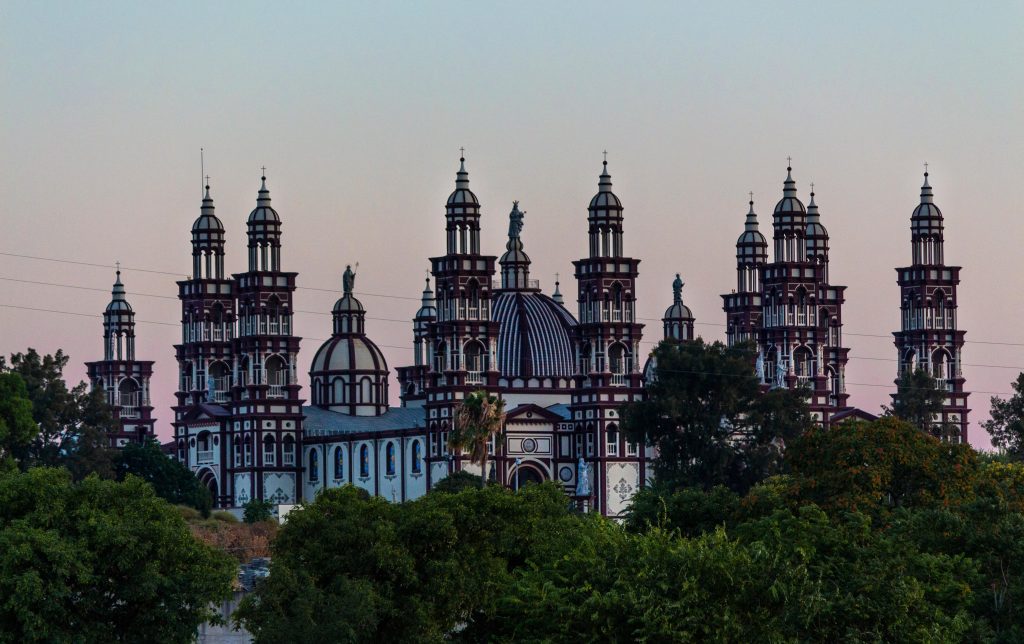
The Palmarian Church’s response to the SSPX and the story behind it
The Palmarian Church has responded to the SSPX excommunications by insisting that the true Catholic Church is not in Rome, but in El Palmar de Troya. Our latest explores the extraordinary history behind one of Catholicism’s most unusual schisms The Palmarian Church, a small sect based in Andalusia, Spain, which believes the true Pope resides among its members, has reacted to the excommunications of the Society of Saint Pius X. In a 14-minute message delivered by “Pope Peter III”, also known as Joseph Odermatt of Switzerland, the church’s position was set out across its various social media channels. Using the papal “We”, Odermatt introduced himself as the “Vicar of Christ and Successor of Saint Peter”, saying he wished to “address all Catholic faithful who are wandering through the spiritual desert after witnessing the collapse and the general excommunication of the followers of Marcel Lefebvre”. He began by claiming that the decree had no validity, since “Pope Gregory XVII”—the church’s founder, Clemente Domínguez y Gómez, who died in 2005—had already excommunicated the group decades earlier. He then turned to Archbishop Ngô Đình Thục, the Vietnamese prelate who illicitly ordained Gómez and his companions to the priesthood and episcopate in 1976. Odermatt claimed that “Archbishop Thục did not act on a whim. He visited the sacred apparition site of El Palmar de Troya and witnessed its mysteries and miracles with his own eyes.” He also described Thục’s later repudiation of the illicit consecrations and his decision to distance himself from the group as a “great falsehood repeated by his critics”. He went on to argue that Thục “recognised the grave crisis of the Church” and that obtaining the proper permission to ordain and consecrate Gómez was “a matter of human law, not divine law”. Odermatt also claimed that Archbishop Marcel Lefebvre, founder of the SSPX, was visited by the Blessed Virgin Mary and instructed to visit El Palmar de Troya, but refused because he “preferred political manoeuvring, pride, comfortable drawing rooms, and the applause of men over the direct intervention of Heaven”. He appears to be referring to Gómez’s request in the mid-1970s for Lefebvre to visit the group and ordain its members as bishops. It is generally understood that Lefebvre declined but recommended Archbishop Thục as a prelate who might be willing to do so. He was equally critical of Lefebvre’s dialogue with Cardinal Joseph Ratzinger before the 1988 episcopal consecrations, during which the two sought an agreement acceptable to both the Vatican and the SSPX. Odermatt claimed that, by signing the May 1988 protocol, Lefebvre “accepted the authority of the apostate Code of Canon Law, and recognised the modern Vatican antipopes as legitimate authorities.” Odermatt argued that the SSPX lives with an internal contradiction by recognising the Pope while telling its followers that they must “disobey him every day in order to save their souls.” His criticism of the SSPX, which extended to sedevacantists, whom he described as holding a “theological absurdity”, served as a segue into his presentation of the Palmarian church as the true Church. He urged Catholics to recognise that the “Holy See remains secure and undefiled at El Palmar de Troya”. He concluded his monologue by declaring that the “true Church—one, holy, catholic, apostolic and Palmarian—is at El Palmar de Troya with the true Pope, Peter III, Supreme Pontiff and Vicar of Christ by the grace of God.” The story of the Palmarian church dates back to 30 May 1968, when four schoolgirls in the small and newly established Andalusian town of El Palmar de Troya went to pick flowers. The girls claimed to see the Virgin Mary, leading to an explosion of reported religious experiences in the area, including stigmatas, solar visions, the Eucharist miraculously materialising on visionaries’ tongues, and pilgrims claiming to feel the Infant Jesus in their arms. People also claimed that Padre Pio appeared, decrying the loss of the traditional Catholic faith. In late 1969, Clemente Domínguez y Gómez emerged on the rapidly growing religious scene in the small town. Having been rejected by the local seminary, the Dominicans and the army, he was working as an office clerk. Gómez quickly established himself as the principal visionary, claiming to have received visions of more than sixty saints and angels, as well as Christ and the Virgin Mary. Under Gómez, the messages shifted from concern about the state of the modern Church to stark criticism of the Second Vatican Council and warnings of the End Times. The Archbishop of Seville, Cardinal José Bueno y Monreal, denounced the site and prohibited any Catholic rites from being celebrated there, making it clear that the movement had no ecclesiastical approval. In the early 1970s, the town became a melting pot for followers of various alleged apparitions and Catholics who took issue with the post-conciliar Church. The circulation and promotion of Gómez’s visions became a rallying point for these disaffected Catholics. A watershed moment came when the Second Baroness of Castillo de Chirel donated 16 million pesetas, enough to purchase the apparition site and send Gómez and his closest followers on missions around the world. The group then established itself as a religious order, the Carmelites of the Holy Face, adopting distinctive brown habits with large scapulars. Whilst harbouring some priests among their ranks, they failed to attract any bishops, and most of their members, including Gómez, remained laymen. Archbishop Ngô Đình Thục then arrived and illicitly ordained Gómez, his right-hand man and several others to the priesthood before consecrating them bishops shortly afterwards. Thục’s motivations are difficult to ascertain. Before arriving in El Palmar de Troya, he had celebrated the Novus Ordo Mass and, during the Second Vatican Council, had spoken in favour of the ordination of women. However, by the early 1980s, Thục declared that the Mass of St Pius V was the only Mass acceptable before God and came to believe that the See of Rome was vacant. Whatever his motivations, it appears that he arrived in part through the mediation of the Society of Saint Pius X. He later repented of his actions and was reconciled with Rome, only to continue illicitly consecrating bishops some years later. All those consecrated at El Palmar were excommunicated. For some time, Gómez had been preaching that Pope Paul VI was being drugged and held against his will by the Roman Curia, whom he claimed were secretly communists and Freemasons, and that one day the Pontiff would escape and arrive in El Palmar de Troya. According to Palmarian doctrine, Paul VI was instead murdered by poison administered by his Secretary of State before he could make the journey. Upon the Pope’s death in August 1978, Gómez declared himself his successor after claiming to have been crowned in a vision by Christ Himself, and that the Holy See had moved from Rome to El Palmar de Troya. Taking the name Gregory XVII, he created 24 cardinals and opted for a formal coronation using the papal tiara, in contrast to Pope John Paul I. This marked the creation of the Santa Iglesia Católica Apostólica y Palmariana (Holy Catholic Apostolic Palmarian Church). Gregory XVII became its supreme leader, exercising absolute authority over a hierarchy of cardinals, bishops, priests, nuns and lay faithful. The comparatively short history of the Palmarian church has been tumultuous. Gómez is said to have lived a playboy lifestyle alongside his closest cardinals, whilst those lower in the hierarchy endured lives of improvised penance. Notable events during his reign included the accusation that he kidnapped a 17-year-old Venezuelan girl in 1979, the registration of the church as a recognised religious entity in Spain in 1987, the canonisation of thousands of new saints including General Francisco Franco and Christopher Columbus, the abolition of the office of cardinal in 1995, and, in 2001, the banning of the Bible in favour of the Palmarian Bible, which includes episodes such as the Nativity and Immaculate Conception of St Joseph. The greatest challenge to his leadership came in 2000, when a group of priests and nuns formed a loose resistance movement against the increasingly severe and erratic rules imposed by Gómez. Robert McCormack, formerly Fr Gido Maria, was a central figure in this resistance. He has described how it grew from concern for younger priests and the Palmarian faithful, many of whom were suffering under Gómez’s dictates and becoming increasingly vulnerable to mental health problems. McCormack secretly introduced non-Palmarian books and ideas to support these members. Ultimately, he and 24 other professed religious were expelled from the church. When Gómez died in 2005, his right-hand man, Manuel Alonso Corral, became the Palmarian Pope without a conclave, as Gómez had already designated him as his successor. Taking the name Peter II, he continued his predecessor’s teachings with remarkable continuity. He proclaimed few new dogmas, seeing his role principally as defending the teaching of his close friend. However, he did dogmatically declare himself to be a descendant of St Ferdinand III of Castile. Corral was also an isolationist, urging members to sever ties with the outside world and, like the Red Hot Chili Peppers before him, encouraging Palmarians to throw away their televisions. If Corral was an isolationist, his successor, Ginés Jesús Hernández Martínez, who took the name Gregory XVIII, was an authoritarian. Formerly the church’s Secretary of State and Corral’s second-in-command, he further isolated the remaining members and ordered the faithful to shun relatives who had “apostasised”. Children over the age of 18 who had left the church were to be expelled from the family home, whilst younger children were to be spoken to as little as possible. Martínez was known for his temper, and members lived in fear of personal attacks. Palmarian Popes Gregory XVII, Gregory XVIII and Peter II In April 2016, he abdicated the Palmarian papacy and left the church with his girlfriend, herself a former Palmarian. Martínez then gave interviews to the Spanish media, prompting widespread coverage, including reports that he and his girlfriend were later tried by the Spanish authorities for armed robbery. Martínez remains a figure disliked by virtually everyone connected with the Palmarian church. Former members remember his harsh rules and merciless treatment of the faithful, whilst current members regard him as the apostate pope who dragged the church into public scandal. Joseph Odermatt, taking the name Peter III, immediately succeeded Martínez. He is presented as a calm and serene figure weighed down by the burden of his office. Odermatt has also done more than any previous Palmarian pope to present the church to the outside world. In 2018, under his leadership, multilingual websites, Instagram accounts and Facebook pages were launched. Today they showcase elaborate papal processions, defences of Palmarian teaching, and brief hagiographies of the church’s numerous saints. Today, the church is dwindling and is believed to have only several thousand members, a fraction of its peak membership. However, the 14-minute address delivered by Odermatt will be well received by Palmarians, who are likely to see any division within the Roman Catholic Church as vindication of their belief that they alone preserve the true faith.
Jul. 15, 2026