The United States Conference of Catholic Bishops has urged the Trump administration to remove in vitro fertilisation (IVF) from a proposed federal rule designed to expand fertility benefits.
In a 17-page submission to the Departments of Labour, Health and Human Services, and the Treasury, the bishops welcomed the administration’s recognition that infertility is “a serious matter” and supported efforts to assist couples suffering from it. However, they contended that the proposed regulation should instead prioritise treatments that address the underlying causes of infertility.
“We urge the Departments to refocus the rule on therapeutic, restorative treatments, and to abandon its inclusion of IVF, which is profoundly flawed both legally and morally,” wrote William J. Quinn, the USCCB’s general counsel, and Daniel Balserak, associate general counsel, in the closing recommendations of the public comment submitted on 13 July.
While President Donald Trump has repeatedly expressed support for expanding access to IVF, the bishops argue that any federal framework should distinguish between restorative medical care and assisted reproductive technologies.
At the centre of the bishops’ argument is the claim that infertility should be understood principally as a symptom of underlying medical conditions rather than as a disease in itself. Consequently, they argue that public policy should encourage medical interventions that seek to restore normal reproductive function. “The Church affirms the deep desire of spouses to welcome children and supports medical efforts to address infertility,” the submission states. “At the same time, public policy should not promote practices that undermine the dignity of human life or sever the connection between procreation and the marital act.”
The bishops devote considerable attention to restorative reproductive medicine (RRM), describing it as an approach that seeks to identify and treat the causes of infertility rather than circumvent them. They welcomed sections of the proposed rule that would permit employers to offer benefits covering the diagnosis and treatment of infertility-related conditions, including disorders such as endometriosis, polycystic ovary syndrome and hormonal imbalances.
They also praised the administration’s acknowledgement that medical treatments addressing the root causes of infertility should be encouraged, arguing that these provisions should be made even more explicit in the final regulation. According to the submission, restorative reproductive medicine “seeks to cooperate with or restore the normal physiology and anatomy of the human reproductive system without the use of methods that are inherently suppressive, circumventive, or destructive to natural human functions.”
The bishops proposed several amendments that would strengthen support for restorative care, including clearer references to such treatments in the regulations, greater public awareness of restorative reproductive medicine, and safeguards ensuring that patients are able to access providers even when they are located outside their home states. They also suggested that employers offering fertility benefits should consider requiring restorative treatments before resorting to assisted reproductive technologies.
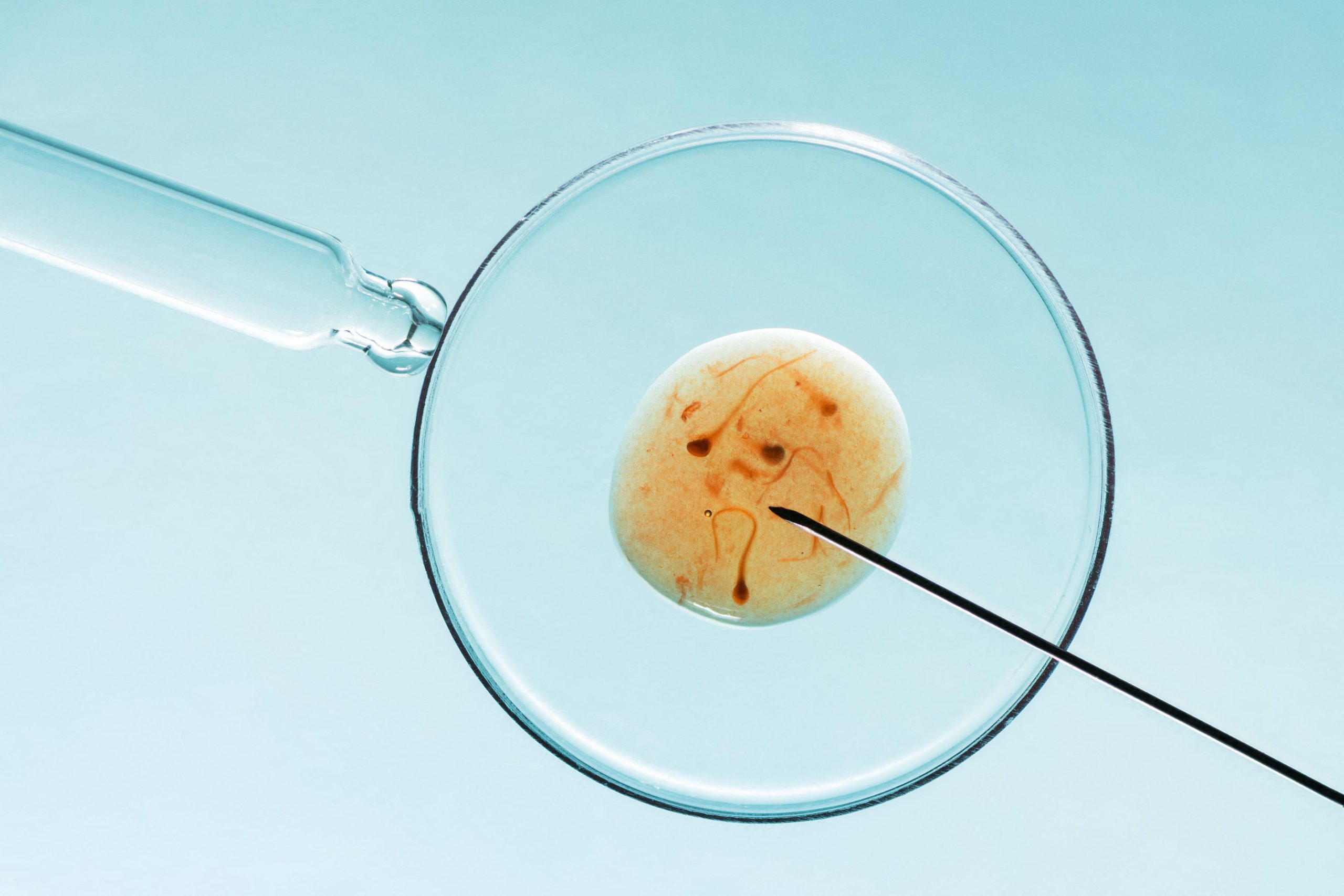
The submission argues that IVF is fundamentally different from restorative medicine because it does not treat infertility but instead bypasses the medical conditions causing it. “In contrast to restorative reproductive medicine, in vitro fertilization does not aim to treat the underlying causes of infertility but seeks to bypass them,” the USCCB wrote.
The document goes on to argue that IVF “kills countless children and violates others’ rights and dignity”, asserting that the destruction, freezing and selection of embryos represent a profound violation of human dignity.
While acknowledging that couples pursuing IVF often do so with “the most sincere and loving intentions”, the bishops maintain that the procedure itself cannot be morally justified. “It must be said that being conceived by IVF does not make a person have any less dignity than anyone else,” the submission states. “All people bear the image and likeness of God and have equal, infinite dignity as a result. It is precisely for that reason that we advocate protecting them and their dignity in all circumstances and at all stages of life.”
Beyond moral objections, the bishops also question whether IVF can properly be regarded as a treatment for infertility. They argue that because the procedure does not cure reproductive disorders, its inclusion within an excepted health benefit stretches the legal meaning of therapeutic care. They further contend that the proposed rule risks moving beyond healthcare into what they describe as a broader “family-formation benefit”, which they argue Congress did not authorise through existing legislation.
The submission also criticises the proposal’s suggested lifetime benefit cap of $120,000, arguing that the figure has effectively been determined by the cost of IVF rather than by the cost of genuinely therapeutic medical treatment. Should the administration nevertheless decide to retain IVF within the final rule, the bishops’ conference calls for extensive safeguards.
These include limiting the number of embryos created during each treatment cycle, excluding coverage for embryo destruction, selective reduction abortions and genetic screening, requiring fuller informed consent about IVF’s success rates and risks, and ensuring that IVF is used only after a confirmed diagnosis of infertility.
Quoting Pope Francis, the submission states that children have “a right to grow up in a family with a father and a mother capable of creating a suitable environment for the child’s growth and emotional development”, arguing that the proposed regulations should define infertility in relation to the inability of a married man and woman to conceive naturally.
The document concludes by setting out seven principal recommendations, including limiting fertility benefits to therapeutic treatments, redefining infertility in medical rather than social terms, recalibrating benefit limits around restorative medicine instead of IVF, strengthening religious liberty protections and excluding assisted reproductive technologies that the bishops believe violate human dignity.
“The proposed rule represents a valuable opportunity to advance real solutions to infertility that respect the God-given dignity of parents and of children, born and preborn,” Quinn and Balserak conclude. “We urge the Departments to refocus the rule on therapeutic, restorative treatments, and to abandon its inclusion of IVF, which is profoundly flawed both legally and morally.”