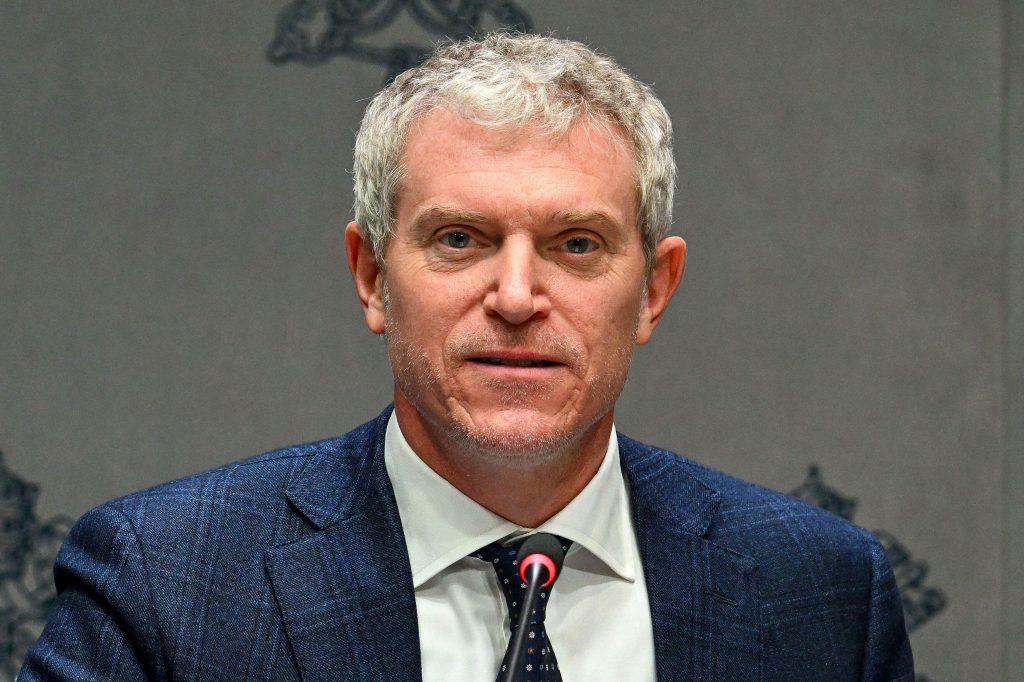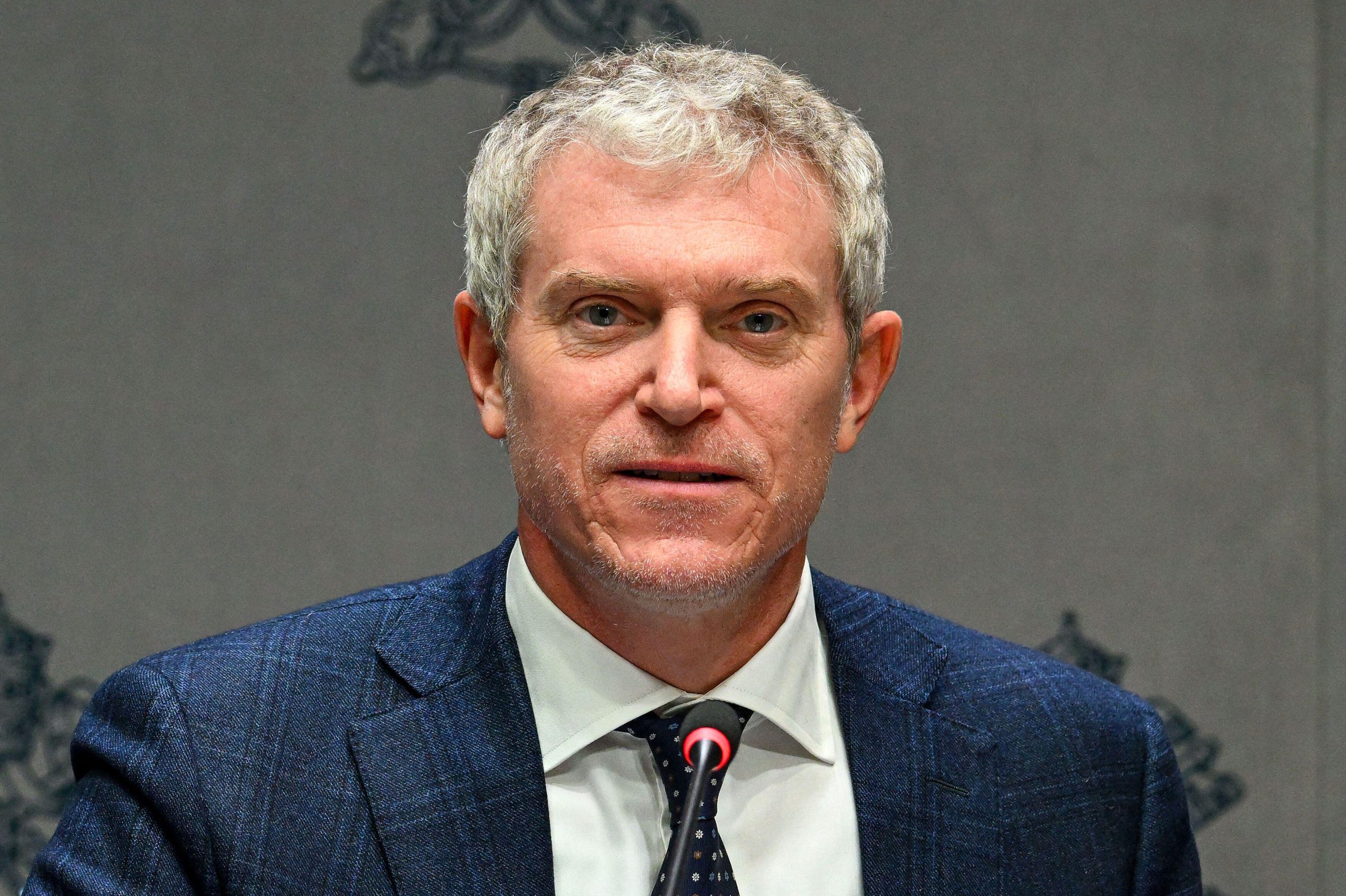
Matteo Bruni, Director of the Holy See Press Office, has rejected reports that Father Marko Ivan Rupnik has been acquitted in the Vatican’s ongoing canonical criminal trial.
The clarification follows reports alleging that the case had concluded in Father Rupnik’s favour. Responding to those claims, Bruni said the tribunal had reached no such decision and stressed that the judges were continuing to examine evidence submitted from multiple sources before reaching any determination.
“Regarding some information that has appeared in the media in recent days, I reiterate that reports of any deliberation by the judges following the case of Rev. Marko Ivan Rupnik are absolutely unfounded,” Bruni said.
“The evaluation of the case is still ongoing, and the panel is examining documentation from the dioceses involved, the Jesuits, interested parties and the press.”
Bruni also defended the confidentiality surrounding the proceedings, arguing that the tribunal could not release details while the case remained under consideration.
“During the trial, as with any judicial proceeding, no information regarding ongoing activity can be shared in any way, out of respect for the trial itself and to avoid harming anyone involved, as has occurred in recent days,” he said.
He added that, should the judges conclude that further evidence was required, “the panel will be responsible for obtaining it independently”.
Bruni also reiterated the nature of the proceedings, emphasising that the Vatican tribunal is examining the case under canon law after Pope Francis authorised an exception to the normal statute of limitations governing the alleged offences.
He said the case “is judicial in nature” and is proceeding “in derogation of the statute of limitations for any crimes”, allowing the tribunal to determine guilt or innocence according to canon law. He also underlined the distinction between ecclesiastical and civil jurisdictions, noting that any criminal liability under state law remains a matter for the countries where the alleged offences took place.
“Canon Law can judge and impose penalties regarding the internal life of the Church,” Bruni said, while Father Rupnik “remains subject to the legislation of the countries in which any crimes were committed, and the statute of limitations for such crimes is established by the legislation of each country, regardless of ecclesiastical authority.”
The Vatican statement came after the Italian blog Messa in Latino reported that it had learned from what it described as “persistent and highly authoritative sources” that the criminal trial had ended in Father Rupnik’s favour.
The publication also reported, citing highly placed sources, that the proceedings concern allegations relating to “violence” rather than clerical abuse itself, and that a retrial could ultimately take place. AdVaticanum sources gave similar accounts.
Father Rupnik was once regarded as one of the Catholic Church’s best-known sacred artists, with mosaics installed in churches, shrines and chapels across the world. That standing was overshadowed by allegations from multiple women accusing him of sexual, psychological, spiritual and abuse-of-authority offences spanning several decades. Many of the earliest complaints originated from former members of the Loyola Community, while further allegations later emerged from women connected with Centro Aletti, the Jesuit artistic and spiritual centre in Rome led by Father Rupnik, and his wider ministry.”
Before the current proceedings, Father Rupnik had already been the subject of a separate canonical case concerning the offence of absolving in confession a woman with whom he had engaged in sexual activity, an offence that incurs automatic excommunication under canon law.
In 2020, the then Congregation for the Doctrine of the Faith declared that he had incurred automatic excommunication after external judges unanimously confirmed the offence. The penalty was lifted later that month after Father Rupnik admitted the facts, expressed repentance and fulfilled the conditions laid down by the Holy See, although restrictions were subsequently placed on his ministry.
Attention later shifted to the broader allegations connected with members of the Loyola Community. Following further complaints, the Society of Jesus conducted an investigation and forwarded its findings to the Dicastery for the Doctrine of the Faith, recommending that a penal process be opened. The dicastery concluded in 2022 that the alleged offences could not proceed because they were barred by the applicable statute of limitations then in force. That decision prompted widespread criticism after details of the allegations became public.
In October 2023, Pope Francis waived the canonical statute of limitations, allowing the case to move forward despite the passage of time.
The Society of Jesus later dismissed Father Rupnik, citing what it described as a persistent refusal to obey legitimate instructions. The order said he had declined opportunities to acknowledge his conduct publicly, seek forgiveness and undertake a process of rehabilitation. Father Rupnik was subsequently incardinated into the Diocese of Koper in his native Slovenia.
The Vatican announced on 13 October 2025 that the trial would be heard by a panel of five judges composed of women and clerics who neither belonged to the Dicastery for the Doctrine of the Faith nor held office within the Roman Curia. The Holy See said the arrangement was intended to safeguard the tribunal’s autonomy and independence.
The identities of the judges have not been disclosed, and the Vatican has continued to release only limited information about the progress of the proceedings.