Catholic churches across Sydney are to restore kneelers where they have been removed after Archbishop Anthony Fisher called for their return in a Corpus Christi pastoral letter aimed at strengthening Eucharistic devotion throughout the archdiocese.
The Archbishop of Sydney made the appeal as he encouraged Catholics to rediscover traditional practices of reverence before the Blessed Sacrament and urged parish priests to expand opportunities for Eucharistic adoration ahead of the International Eucharistic Congress.
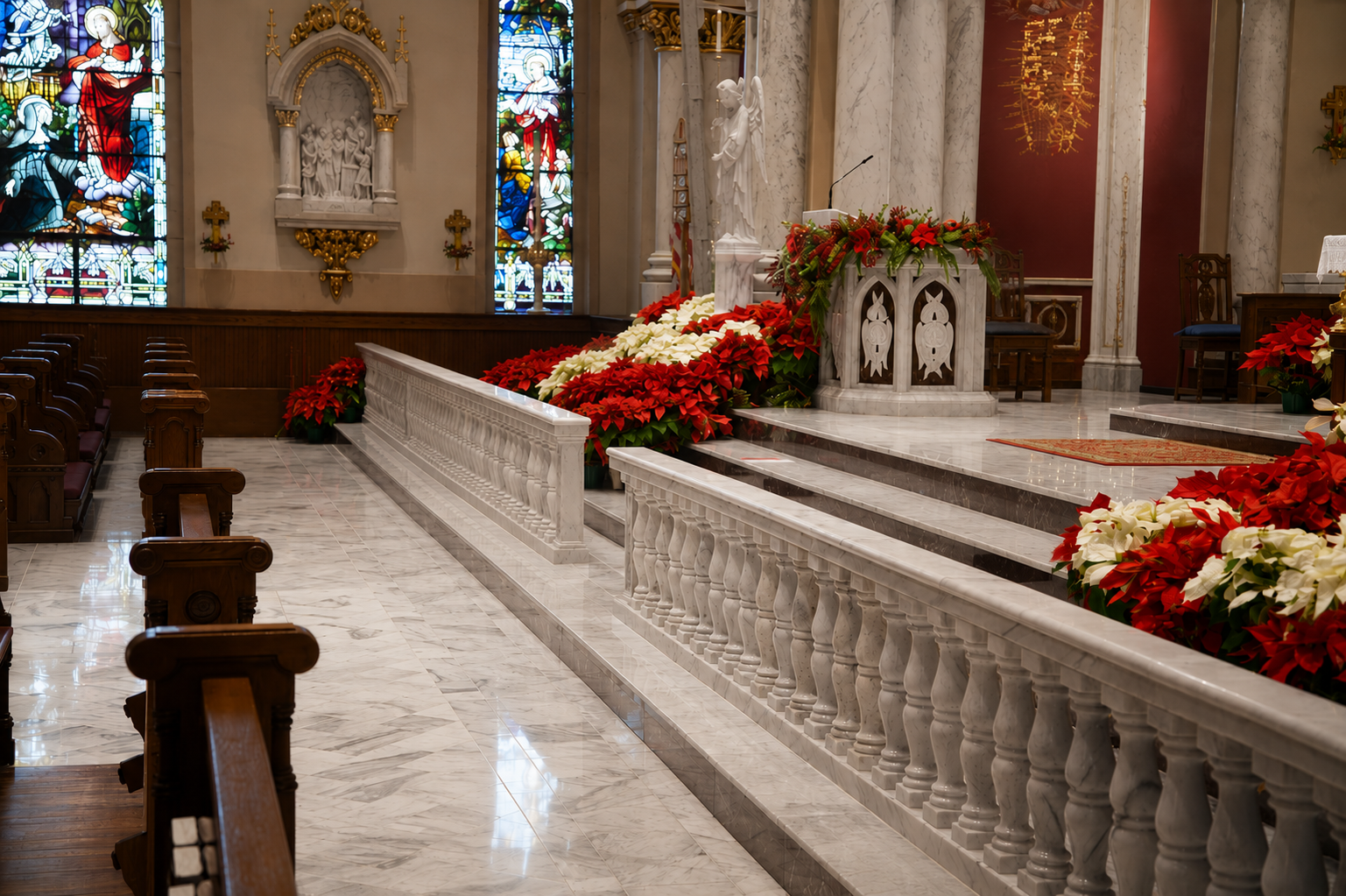
“I also ask our parish clergy to restore kneelers in every church where they are missing,” Archbishop Fisher wrote in the letter issued on 3 June.
The archbishop said kneeling remained one of the clearest outward expressions of faith in Christ’s Real Presence and reminded Catholics that receiving Holy Communion while kneeling remains fully permitted under the liturgical norms of the Church.
“In most cases, this reverence is shown by bowing deeply; however, many people choose to receive Communion while kneeling,” His Grace said.
“This is a perfectly valid option envisaged in the current Missal. Kneeling was the standard way of receiving Holy Communion in the Latin Church for many centuries.”
There has been renewed attention on Eucharistic worship in the Church and a growing effort in a number of dioceses worldwide to encourage Eucharistic adoration, Benediction and public processions.
In the letter, the Australian prelate challenged clergy, religious and laity to deepen their devotion to the Eucharist through regular attendance at Mass, frequent Confession, prayer before the Blessed Sacrament and participation in parish devotions.
“To find time and enthusiasm to adore the Eucharistic Lord in Mass and outside of Mass,” the Archbishop urged the faithful. He also called on priests to increase access to churches for private prayer and Eucharistic adoration.
“To offer at least one holy hour each week in each parish, and to collaborate with adjoining parishes to increase availability of prayer before the Blessed Sacrament, including a Perpetual Adoration chapel in each deanery,” Archbishop Anthony Fisher wrote.
The archbishop said the physical gestures adopted by Catholics during worship were not merely matters of custom but reflected fundamental beliefs about God. “Of the various physical postures, kneeling most clearly reveals our beliefs about God and our relationship with Him,” he said.
While acknowledging that prayer postures can vary between cultures and traditions, Archbishop Fisher noted that kneeling has formed part of Western Christian prayer for centuries and remains deeply rooted in Sacred Scripture.
Citing examples from both the Old and New Testaments, he pointed to figures including Moses, Solomon, Daniel, the Magi and the Apostles, all of whom knelt or bowed before God in worship, thanksgiving or supplication.
He rejected suggestions that kneeling is incompatible with modern Christian life, observing that some people regard it as “the grovelling of a slave” or inconsistent with a culture that wishes to “bow to no-one”.
“Yet kneeling has a history for us,” he wrote.
“We kneel to recognise Him and then we rise to make Him known,” the Archbishop wrote.
The Archbishop ended the letter by stating: “Lord, grant us the grace to receive you reverently, worship you truly and serve you with hearts renewed.”
Archbishop Fisher’s call for the restoration of kneelers also echoes the approach taken by his predecessor, Cardinal George Pell, who repeatedly defended traditional postures of reverence during Mass.
In 2005, while serving as Archbishop of Sydney, Cardinal Pell issued a directive reminding clergy and faithful that kneeling during key moments of the liturgy remained the norm within the archdiocese.
Responding to suggestions that standing should replace kneeling during parts of the Eucharistic Prayer, Cardinal Pell wrote that he had “no enthusiasm for this practice [standing during these times] and in fact the archdiocese does not have a policy in favour of standing”.
His Eminence added: “The practice of kneeling after the Sanctus until the end of the Eucharistic Prayer and also before Communion when the priest says ‘This is the Lamb of God’ is to be retained in the Archdiocese of Sydney.”
The late cardinal further instructed that “the practice of requiring people to stand during the Eucharistic Prayer may not be introduced without my permission”, citing the General Instruction of the Roman Missal in support of maintaining the established practice.
Specifically, the General Instruction of the Roman Missal states that the faithful may receive Communion kneeling or standing, according to the norms established by individual bishops’ conferences, while also calling for an act of reverence before reception of the Blessed Sacrament.
In countries such as the United States, the approved adaptation to the General Instruction provides that Holy Communion is ordinarily received standing, while preserving the right of individual communicants to kneel. The norm states: “Holy Communion is to be received standing, unless an individual member of the faithful wishes to receive Communion while kneeling.”
The right of Catholics to receive Holy Communion while kneeling was reaffirmed by the Holy See in the 2004 instruction Redemptionis Sacramentum.
“Therefore, it is not licit to deny Holy Communion to any of Christ’s faithful solely on the grounds, for example, that the person wishes to receive the Eucharist kneeling or standing,” the document states.
The instruction remains one of the clearest statements from Rome on the question and has frequently been cited in discussions concerning the manner in which Holy Communion is received.