

Papa Stronsay
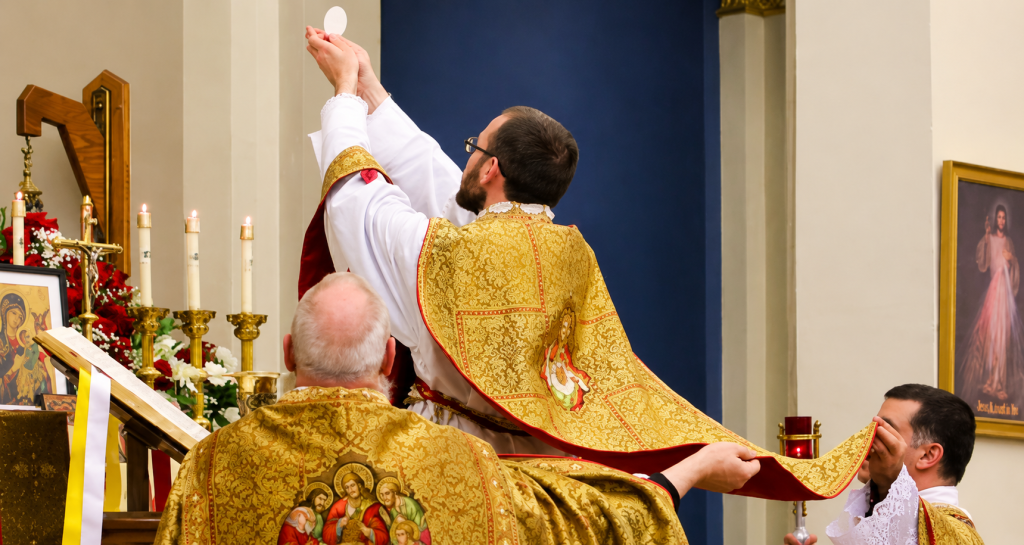
Bishop of Aberdeen expands TLM by appointing former Papa Stronsay priests
Bishop Hugh Gilbert has expanded Sunday provision for the Traditional Latin Mass in the Diocese of Aberdeen by appointing former Papa Stronsay priests to the apostolate, while continuing to oppose the community’s planned episcopal consecration without papal mandate and urging Catholics not to attend Bishop Hugh Gilbert OSB of Aberdeen has expanded provision for the Traditional Latin Mass across his diocese while simultaneously strengthening his opposition to the planned episcopal consecration of the founder of the Sons of the Most Holy Redeemer. The decision means the Traditional Latin Mass will now be celebrated every Sunday at the Church of Our Lady of the Garioch and St John the Evangelist in Fetternear, Aberdeenshire, replacing the previous monthly schedule. The liturgies will be offered by Fr Yousef Marie, F.SS.R., and Fr Peter Mary, F.SS.R., priests of the Sons of the Most Holy Redeemer who have dissociated themselves from the direction taken by the leadership based on Papa Stronsay over the planned episcopal consecration without papal mandate. The Masses had previously been celebrated by members of the Papa Stronsay community. However, after its leadership began issuing statements rejecting recent papal documents and asserting that the popes elected since the Second Vatican Council were illegitimate, Bishop Gilbert removed responsibility for the apostolate from the community, initially asking the diocesan priest Fr Bruno Murphy to continue celebrating the liturgy before approving the new arrangement. The expansion of the Traditional Latin Mass comes less than a week before Fr Michael Mary, F.SS.R., the 72-year-old founder and Superior General of the community, is due to receive episcopal consecration on Papa Stronsay. The ceremony, scheduled for 25 July, is expected to be carried out by three sedevacantist bishops with Canadian sedevacantist bishop Pierre Roy as the principal consecrator. Ahead of the planned consecration, Bishop Gilbert instructed priests throughout the Diocese of Aberdeen to celebrate Masses using the Roman Missal’s prayers “For the Unity of the Church”. In a pastoral letter read in parishes over the weekend of 18–19 July, the bishop said the forthcoming ceremony represented a direct rupture with the Catholic Church. “Recently, the Society of St Pius X chose to ordain four new bishops without the permission (or mandate) of the pope. This constitutes an act of schism,” Bishop Gilbert wrote. “Next Saturday, July 25, something similar is scheduled to occur in Orkney when the Superior of the Sons of the Most Holy Redeemer intends to be ordained bishop by three unauthorised bishops from the Americas. This likewise constitutes an act of schism and will place those engaged in it outside the Catholic Church.” The bishop noted that both developments had particular significance for his own diocese. “Both of these actions, and especially the latter, touch our own Diocese of Aberdeen, and not in a good way,” he wrote. “Objectively, we are dealing with a break from the unity of the Church.” The bishop’s pastoral letter followed an earlier diocesan statement issued after news of the planned consecration emerged. Because the ceremony is expected to take place within the geographical boundaries of the Diocese of Aberdeen, Bishop Gilbert said he was obliged to make the Church’s position unmistakably clear. “This ordination would be celebrated without a papal mandate, by a group of bishops who deny that Our Holy Father Pope Leo XIV is actually the pope,” the bishop said. Bishop Gilbert added: “Since this consecration is due to take place within the geographical boundaries of the Diocese of Aberdeen, I am obliged to make clear to the faithful of the diocese that any such episcopal ordination would be unlawful and a grave act of disobedience, separating those taking part from communion with the Catholic Church.” The bishop also urged Catholics not to attend the ceremony, saying: “No member of the faithful should attend. This action is not ‘for the good of the Catholic Church’ as is falsely claimed.” The Benedictine bishop also launched an erudite defence of the papacy. “It is not by chance that every Catholic Mass throughout the world names the current pope,” the bishop wrote. “It is a sign that every diocese, parish or community is not just a gathering of ‘chums’, but part of something wider and greater.” “The papacy saves us from a Christianity in our own image, a Christianity merely reflecting our own pet ideas or the current cultural ‘take’ on things. The papacy connects our ‘here’ to everywhere the Gospel has taken root and will, and our ‘now’ with the lasting will of Christ for his Church.” The bishop concluded with a warning about the consequences of breaking communion with the Roman Pontiff. “With the papacy we are spared the fate of becoming a merely national Church or a sect, or followers of some self-appointed authority. We are kept open to the fullness of the faith and the full breadth of the call to charity. With Peter the mission flourishes; without him it withers. And to refuse communion with him is spiritual suicide.” The consecration was announced by Bishop Pierre Roy in June. Explaining his decision, the Canadian bishop argued that the community’s growing apostolate required its own bishop, pointing to its houses in Scotland, New Zealand and the United States, and its missionary work elsewhere in Oceania. “The Redemptorists have houses in Scotland, New Zealand, and the United States,” Bishop Roy wrote. “From these houses, they visit Samoa, Australia, and other places.” The sedevacantist bishop argued that it had become increasingly difficult for him to provide episcopal oversight personally and that it was therefore “reasonable and necessary to give the Redemptorists a bishop who could properly care for a flock that already knew the sound of his fatherly voice”. Bishop Roy also acknowledged that the consecration would proceed “in the absence of an apostolic mandate”, maintaining that such authorisation could not be sought because those currently occupying the Holy See were not legitimate popes. The community was founded by Fr Michael Mary in 1988. Distinct from the worldwide Redemptorist congregation founded by St Alphonsus Liguori, the Sons of the Most Holy Redeemer established themselves first in Kent, then on the remote island of Papa Stronsay. The election of Pope Benedict XVI opened a path to reconciliation for several traditionalist communities. The Sons of the Most Holy Redeemer entered into full communion with the Holy See in 2008, and four years later Bishop Gilbert granted the institute canonical recognition as a clerical religious institute of diocesan right. In October 2025, the community issued an open letter declaring: “We repudiate the Synodal Church as distinct from the Divinely constituted Catholic Church.” The break widened further on 26 May 2026 when the community published a declaration describing the popes elected since the Second Vatican Council as “papal pretenders”. The statement also expressed regret over the community’s reconciliation with Rome, arguing that even after returning to full communion it had remained “forced by faith to resist the Conciliar authorities, although in a different manner.”
Jul. 21, 2026
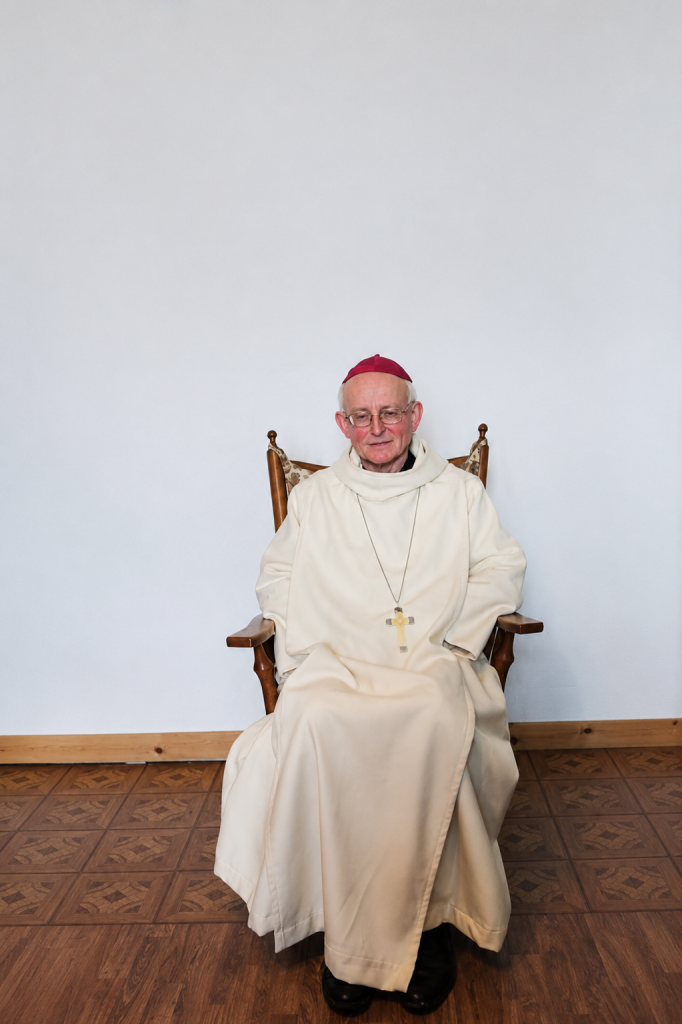
Aberdeen bishop says Catholics should not attend planned Papa Stronsay consecration
The Bishop of Aberdeen has warned Catholics not to attend the planned episcopal consecration of Fr Michael Mary on Papa Stronsay, saying any such ordination would be unlawful and a grave act of disobedience The Bishop of Aberdeen has warned Catholics not to attend the planned episcopal consecration of the founder of the Sons of the Most Holy Redeemer by a sedevacantist bishop. The statement by Bishop Hugh Gilbert OSB follows the announcement that Fr Michael Mary, the founder and Rector Major of the congregation based on the island of Papa Stronsay in Orkney, is due to be consecrated a bishop on 25 July by bishops associated with the sedevacantist movement. In a statement issued after news of the planned ceremony reached the Diocese of Aberdeen, Bishop Gilbert said he was obliged to clarify the Church’s position because the consecration is expected to take place within the geographical boundaries of his diocese. “Any such episcopal ordination would be unlawful and a grave act of disobedience, separating those taking part from communion with the Catholic Church,” the bishop said. “No member of the faithful should attend. This action is not ‘for the good of the Catholic Church’ as is falsely claimed.” The statement added: “This ordination would be celebrated without a papal mandate, by a group of bishops who deny that Our Holy Father Pope Leo XIV is actually the pope.” His Grace concluded: “This development is greatly to be regretted, and we can only pray that those concerned have a change of heart.” The statement marks the latest chapter in a dramatic rupture between the community and Rome that has unfolded over the past two years and culminated in plans for an episcopal consecration without papal approval. The announcement was made earlier on 18 June by Bishop Pierre Roy, a Canadian sedevacantist bishop, who said that Fr Michael Mary would receive episcopal consecration at the monastery on Papa Stronsay with the assistance of Bishops Rodrigo Ribeiro da Silva and Fernando Altamira. In a lengthy explanation of his decision, Bishop Roy argued that the congregation’s growing international presence required a resident bishop. He said the order now has a presence in Scotland, New Zealand and the United States, and undertakes apostolic work elsewhere in Oceania. “The Redemptorists have houses in Scotland, New Zealand, and the United States,” he wrote. “From these houses, they visit Samoa, Australia, and other places.” Bishop Roy argued that it had become increasingly difficult for him to provide oversight personally and said it was “reasonable and necessary to give the Redemptorists a bishop who could properly care for a flock that already knew the sound of his fatherly voice”. Bishop Roy openly acknowledged that the consecration would take place “in the absence of an apostolic mandate”, arguing that the Holy See is occupied by illegitimate authorities and therefore incapable of granting one. That position is the central claim of sedevacantism, a movement which maintains that there is currently no valid pope. Although different groups identify different points at which the papacy supposedly became vacant, they generally argue that the reforms and teachings associated with the Second Vatican Council demonstrate that recent pontiffs could not have been legitimate successors of St Peter. Founded in 1988 by Fr Michael Mary, during a period of intense turmoil following the episcopal consecrations carried out by Archbishop Marcel Lefebvre that same year, the congregation eventually established itself on Papa Stronsay, a remote island in the Orkney archipelago. The election of Pope Benedict XVI appeared to heal divisions with some traditionalist communities, and the congregation sought reconciliation with Rome, entering into full communion with the Holy See in 2008. That reconciliation appeared to be firmly consolidated in 2012 when the community received formal canonical recognition from Bishop Gilbert as a diocesan institute within the Diocese of Aberdeen. For a period, the congregation seemed to have secured a stable future within the life of the Church. However, tensions later emerged, particularly following controversies connected with the community’s activities in New Zealand. Disputes concerning alleged exorcisms and wider questions of governance and ecclesial obedience led to increasing scrutiny from Church authorities. Matters eventually reached a turning point when Bishop Michael Gielen of Christchurch withdrew the community’s faculties and ordered its departure from the diocese. Appeals failed, and relations between the congregation and ecclesiastical authorities deteriorated rapidly. The decisive break came when the community publicly rejected key developments in the post-conciliar Church and concluded that the Catholic faith could not be reconciled with what it described as the modern Church that emerged after the Second Vatican Council. That declaration prompted a strongly worded response from Bishop Gilbert, who said the diocese “deeply regrets the tone, direction and key elements” of the community’s position and warned that it was incompatible with the Catholic understanding of ecclesial unity.
Jun. 19, 2026
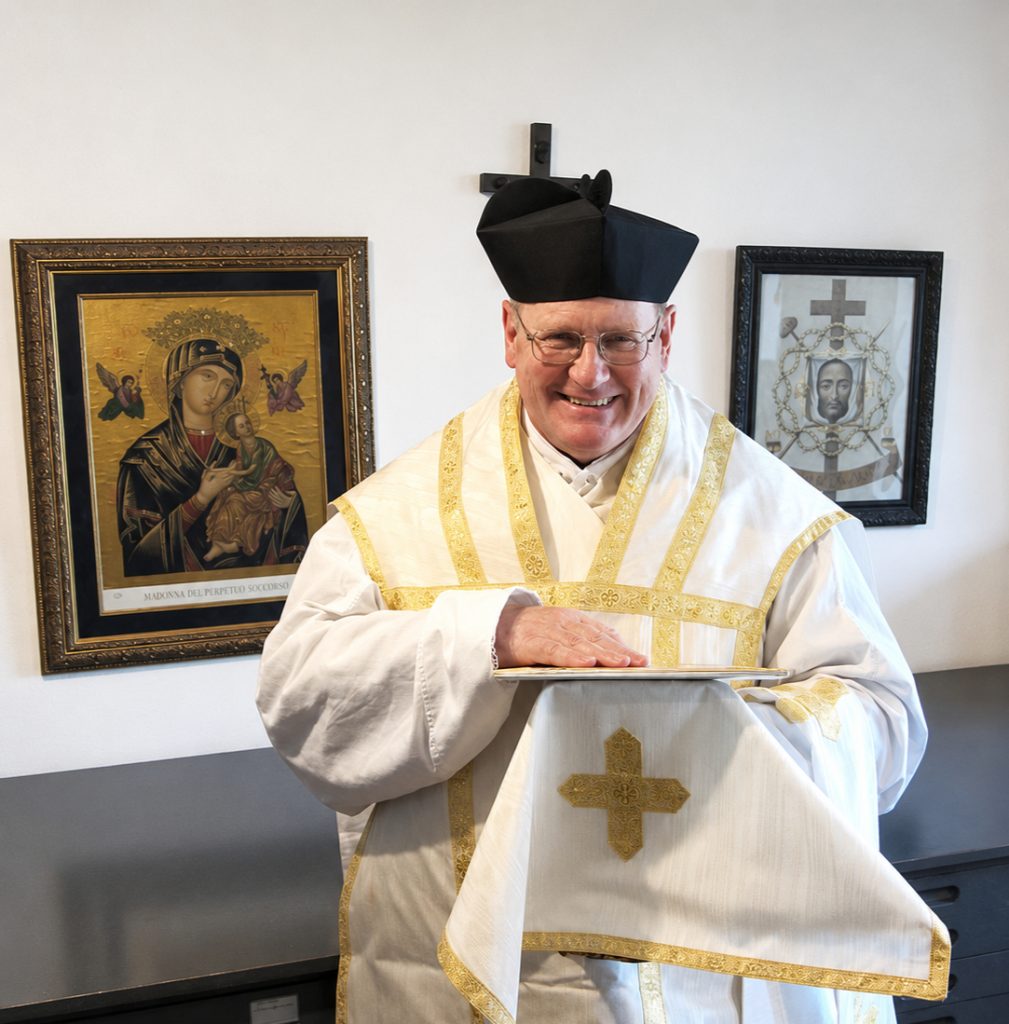
Founder of Papa Stronsay community to be consecrated bishop by sedevacantists
The founder of the Papa Stronsay-based Sons of the Most Holy Redeemer is set to be consecrated a bishop next month by sedevacantist bishops in Orkney. The ceremony will take place without a papal mandate and follows the community’s embrace of sedevacantism after years in full communion with Rome The founder of the Sons of the Most Holy Redeemer is to be consecrated a bishop next month in a dramatic escalation of the community’s break with Rome. Sedevacantist Bishop Pierre Roy announced on 18 June that Fr Michael Mary, founder and Rector Major of the Sons of the Most Holy Redeemer (FSSR), will receive episcopal consecration on 25 July at the order’s monastery in Orkney. The ceremony will take place without a papal mandate and will be attended by fellow sedevacantist bishops Bishop Rodrigo Ribeiro da Silva and Bishop Fernando Altamira as co-consecrators. Sedevacantists maintain that the papal throne (the See of Peter) has been vacant since the death or invalid election of the last legitimate pope, usually identified as Pope Pius XII, though in the case of the community of the Sons of the Most Holy Redeemer it appears to be John XXIII. They argue that subsequent popes have fallen into heresy or invalidly assumed office, rendering their elections null. As a result, sedevacantists do not believe there is currently a valid pope. They therefore reject any papal mandate or authority issued by Pope Leo XIV, viewing such directives as lacking legitimacy because the Chair of Peter is, in their view, vacant. In a lengthy letter explaining his decision, Bishop Roy said he had asked Fr Michael Mary to accept consecration “without any solicitation from the Redemptorists and despite some initial reluctance”. The announcement comes less than a year after the Transalpine Redemptorists publicly repudiated major developments in the post-conciliar Church and effectively embraced sedevacantism. Bishop Roy said he had maintained close contact with the community since June 2025 and had developed what he described as “a true communion of faith and a sincere friendship”. He argued that the geographical spread of the congregation made episcopal oversight from Canada increasingly impractical. “The Redemptorists have houses in Scotland, New Zealand, and the United States,” he wrote. “From these houses, they visit Samoa, Australia, and other places. Fulfilling my episcopal duties with the Redemptorists would require me to travel practically the entire world.” He added that shortages of clergy in his own Canadian missions meant his frequent absences were becoming difficult to sustain and that “it seemed reasonable and necessary to give the Redemptorists a bishop who could properly care for a flock that already knew the sound of his fatherly voice”. The most controversial passages of the letter concern the nature of the consecration itself. Bishop Roy explicitly acknowledged that it would take place “in the absence of an apostolic mandate”, asserting that “the See of Rome is clearly occupied by the enemies of God”. He continued: “His role will be to teach, govern, and sanctify in all fortitude and humility the flock that will gather around him.” Addressing the question of jurisdiction, Bishop Roy wrote: “I cannot grant him jurisdiction, and I fully acknowledge this. But Christ, the invisible head of the Church and source of all jurisdiction, can, and He certainly will in the limits of the present necessities of the Church, in the absence of a true Supreme Pontiff, so that he may shepherd the scattered flock that will recognise him as a Catholic bishop.” The bishop also indicated that Fr Michael Mary would be based principally in New Zealand, arguing that Oceania lacked what he regards as a traditional Catholic bishop. “Father Michael Mary will live primarily in New Zealand, where there is no traditional bishop,” he wrote. “It will therefore not be a luxury for Oceania and its 50 million souls to be able to count on the presence of a Catholic bishop.” Acknowledging that some would question the prudence of elevating a priest who had led his community into full communion with Rome in 2008 and had only recently separated from it, Bishop Roy argued that the experience had ultimately contributed to the community’s present convictions. “They could have returned to their old errors,” he wrote, “but instead chose to undertake a serious study of the Church’s situation.” He said that study had led them to “recognise the current vacancy of the Apostolic See” and to embrace what he described as “the only attitude compatible with the Catholic Faith in the face of conciliar apostasy”. Founded in 1988 by Fr Michael Mary as a traditionalist Redemptorist congregation, the community initially operated within the orbit of the Society of St Pius X following Archbishop Marcel Lefebvre’s illicit episcopal consecrations that same year. After periods in England and France, the community established itself on the island of Papa Stronsay in the Orkney archipelago, where it restored monastic life on a site associated with Christian settlement stretching back many centuries. The election of Pope Benedict XVI and his efforts to reconcile traditionalist groups proved decisive for the congregation’s future. Following the publication of Summorum Pontificum in 2007, the community sought reconciliation with the Holy See and was received into full canonical communion in 2008. The move was widely regarded at the time as one of the most significant successes of Benedict XVI’s attempt to heal divisions within the traditionalist movement. In 2012, the community received formal recognition as a diocesan institute from Bishop Hugh Gilbert of Aberdeen, apparently securing its place within the life of the Church. Questions surrounding alleged exorcisms attracted media scrutiny and diocesan concern. Reports published in New Zealand alleged that exorcisms had taken place without proper authorisation and included claims involving vulnerable individuals. Members of the community strongly disputed aspects of those allegations and rejected accusations that they had conducted major exorcisms involving minors. The controversy led to increased diocesan oversight and eventually a Vatican apostolic visitation. Although the findings of that investigation were never made public, events reached a climax in July 2024 when Bishop Michael Gielen ordered the community to leave the Diocese of Christchurch and withdrew its faculties. The bishop cited concerns relating to unity and obedience within the local Church. The congregation appealed against the decision, but the Holy See ultimately upheld the expulsion. It was during this period that relations between the community and ecclesiastical authorities deteriorated sharply. In October 2025, the Transalpine Redemptorists published an open letter explaining that they had reached the conclusion that “the Traditional Catholic Faith” was incompatible with what they described as “the new, modern Church, the fruit of the Second Vatican Council”. Referring to ecclesiastical authority, the Redemptorists stated: “When a superior departs from his own obedience to Christ the King, his command is no longer the arm of Christ but the gesture of a man.” They added: “We must obey God before man.” The declaration drew a swift response from Bishop Hugh Gilbert, whose Diocese of Aberdeen includes Papa Stronsay. The bishop said the diocese “deeply regrets the tone, direction and key elements of this Letter” and stated that it was “incompatible with the Catholic sense of the Church’s unity”.
Jun. 18, 2026
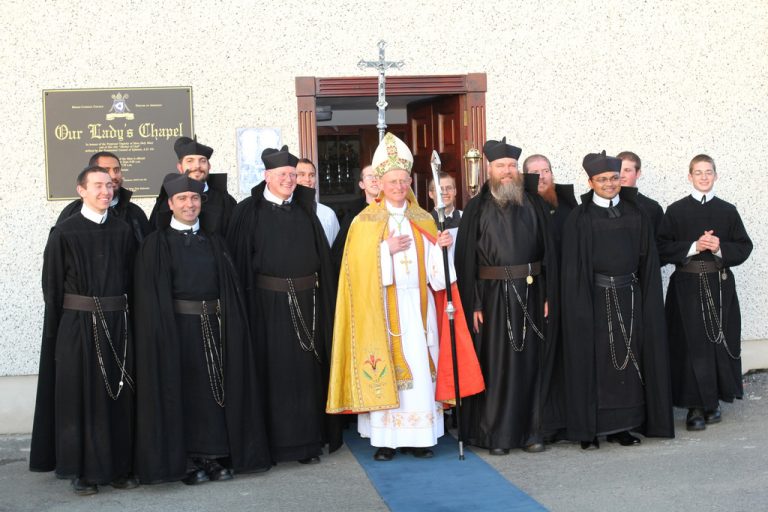
Three monks flee Papa Stronsay monastery
Three monks secretly left the Transalpine Redemptorists’ monastery on Papa Stronsay by boat after allegedly arranging their departure with the Diocese of Aberdeen without informing superiors Three monks of the Transalpine Redemptorists have left the order’s monastery on the island of Papa Stronsay after secretly arranging their departure from the remote Orkney community. The Press and Journal reported on 20 May that two priests and a subdeacon coordinated their exit with Bishop Hugh Gilbert of Aberdeen and left the island by boat without informing their superiors. The arrangement was allegedly discovered only on the day of their departure after the use of a monastery laptop came to light. The three men are understood to have left Papa Stronsay quietly and are now believed to be staying at an undisclosed location under the care of the Diocese of Aberdeen. Fr Anthony Mary, the superior of the community, criticised the manner of the departure and said the remaining members had been left without any explanation. “They tried to leave quietly, but it came to light on the very day they intended to go,” he said. “One of the fathers discovered it after they used a laptop without permission.” Describing the departure itself, Fr Anthony said the men had left without speaking to their superiors or fellow members. “They left on the evening boat, and we have heard nothing since – no word, no explanation, nothing,” he said. “It is as though we never existed.” The priest also alleged that Bishop Gilbert had “worked against us” and said repeated attempts to contact both the bishop and the departing clerics had produced no personal response. “I wrote to the bishop three times and to the priests four or five times,” he said. “There has been no reply to me personally. Recently, the bishop said he would respond at some stage. But trying to live as a good Catholic and follow the faith has become very difficult.” The congregation recently published a document rejecting the legitimacy of every pope since Pope Paul VI. The document, entitled The Dogma to Steer By , described Pope Leo XIV as a “pretender”, called for his replacement and declared the group’s intention to withdraw cooperation with the Vatican, which it accused of having been overtaken by “modernist enemies”. The document is interesting because it does not follow the usual norms of sedevacantism, where adherents normally reject the papacies since Pius XII or, on occasion, since Pius X. The monks, however, appear to accept John XXIII as a legitimate pope while rejecting the “papal pretenders Paul VI, John Paul II, Benedict XVI, Francis, and Leo XIV”, who, according to the text, “have engaged in actions embodying indifferentism”. The text also claims that the “Church has been infiltrated by enemies from at least the time of Pope Gregory XVI”, but that it is only since the Second Vatican Council that popes have “caused a spiritual catastrophe of the greatest imaginable proportions”. The monks also say that they are working and praying for an “Imperfect General Council”, in which “all the Catholic bishops of the world who have kept the true Faith” will “pronounce on the status of the present claimants to the papacy and restore order to the Church”. They continue that, until that day comes, which they acknowledge may still be some time away, they will seek to be “guided by the Magisterium of the holy Popes who have always taught the one true Faith in its integrity and purity”. Following publication of the text, Fr Michael Mary, founder of the Transalpine Redemptorists, reportedly came under investigation by Rome. Speaking separately, Fr Michael said the three men had left because of “theological differences” and had opposed the direction taken by the community. “We’ve lost three priests – two priests and a subdeacon – who have really not been in agreement from the beginning,” he said. “They hung on for quite a while, not wanting to abandon their vocations, but what we’ve come to now has been the last straw.” He added that the departing members had ultimately concluded they could no longer remain. “They were unable in their consciences to go along with us. So, they left us,” he said. The departures took place only weeks after the disappearance of Brother Justin Evans, 25, a member of the community who was reported “lost to the sea” on 11 April. Although a body was later recovered, it has not yet been positively identified. The Transalpine Redemptorists were founded in 1988 and were initially closely associated with the Society of St Pius X. Following Pope Benedict XVI’s lifting of the SSPX excommunications in 2009, the community entered into closer relations with Rome and was later recognised as a religious institute under the authority of the Diocese of Aberdeen.
May 22, 2026
Body of missing Papa Stronsay monk found
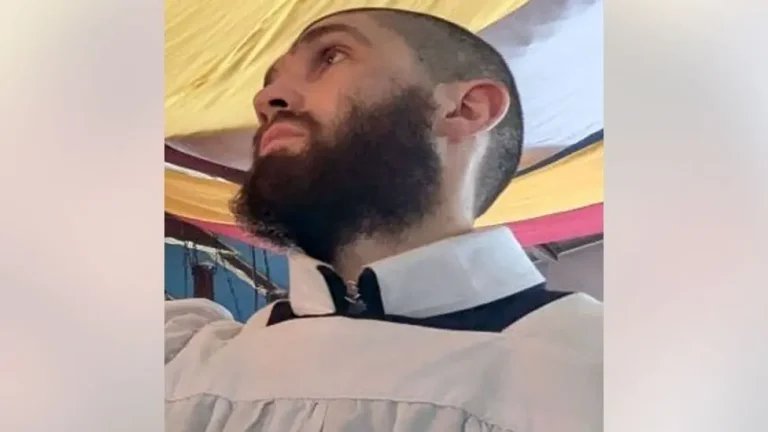
A body has been recovered from the sea near Orkney in the search for Brother Ignatius, the 24-year-old monk who disappeared from the Sons of the Most Holy Redeemer on Papa Stronsay in April. Police Scotland said formal identification has yet to take place, but his family has been informed The body of a young monk missing from Papa Stronsay’s Sons of the Most Holy Redeemer since April has been recovered from the sea near Orkney. Police Scotland said a man’s body was discovered in the water off the neighbouring island of Stronsay shortly after 7.30am on May 7. Formal identification has yet to take place, but the family of Justin Evans, 24, known in religion as Brother Ignatius, has been informed. In a statement, Police Scotland said: “The death is being treated as unexplained. Inquiries are ongoing. A report will be submitted to the procurator fiscal in due course.” Brother Ignatius, originally from New Zealand, disappeared from Golgotha Monastery on Papa Stronsay shortly before midnight on April 11. He had been living with the Sons of the Most Holy Redeemer, a traditionalist Redemptorist community based on the isolated Orkney island. The disappearance prompted a major multi-agency search operation involving Police Scotland, HM Coastguard, an RNLI lifeboat and rescue helicopter crews. The search focused on the coastline and surrounding waters amid fears that the monk had entered the sea during harsh weather conditions. Last month, the Bishop of Aberdeen, Hugh Gilbert OSB, confirmed that authorities believed the monk had “come to harm in conditions involving the sea” and announced that official search efforts had been suspended. In a statement released through the diocese regarding today’s news, Bishop Gilbert said: “The Diocese has learned with deep sadness of the disappearance and presumed death of Justin Evans, also known as Brother Ignatius, aged 24, a member of the Redemptorist Community on the island of Papa Stronsay. “It is believed that he came to harm in conditions involving the sea. The local police and coastguard services have now called off their searches. “Brother Ignatius was known for his humility and charity, and our prayers are with his community and family at this difficult time.” The monk had been with the community for around two years. Members of the monastery described his disappearance as the greatest tragedy to affect the order since its arrival on Papa Stronsay in 1999. Speaking previously to local media in Scotland, Fr Michael Mary, the superior of the community, said: “The situation is utterly tragic. We are a close community and this has hit us all very hard and is deeply hurting.” He added that Brother Ignatius came from a deeply religious family and that three of his brothers had also entered monastic life. “Two brothers lived here with him so we are living both a deep family tragedy and a huge community loss,” he said. The Sons of the Most Holy Redeemer, also known as the Transalpine Redemptorists, settled on the island after purchasing it for £200,000 more than 25 years ago. The community had previously been based on the Isle of Sheppey in Kent before relocating to Orkney in search of a more secluded monastic life centred on prayer, penance and the traditional liturgy. The community originated within the orbit of the Society of St Pius X before distancing itself from the Society in the early 2000s amid internal disputes over authority and relations with Rome. After a prolonged period in an irregular canonical position, the monks and priests were reconciled with the Holy See under Pope Emeritus Benedict XVI in 2008 and recognised as a religious institute of diocesan right under the Diocese of Aberdeen. Their return to communion was at the time viewed as a notable success in Benedict XVI’s efforts to restore unity with traditionalist groups attached to the pre-conciliar liturgy. That reconciliation has now effectively collapsed following the publication of “ The Dogma to Steer By” . The language of the community’s latest statement places it firmly within the sedevacantist milieu, going considerably further than the Society of St Pius X, which continues to recognise the legitimacy of the Roman Pontiff despite its opposition to aspects of the Second Vatican Council and subsequent reforms. The Papa Stronsay monks now openly reject the authority of “Leo XIV and his bishops” while advocating an “Imperfect General Council” to restore the Church, a position associated with more radical traditionalist currents.
May 7, 2026
Sons of the Most Holy Redeemer declare new position on the papacy
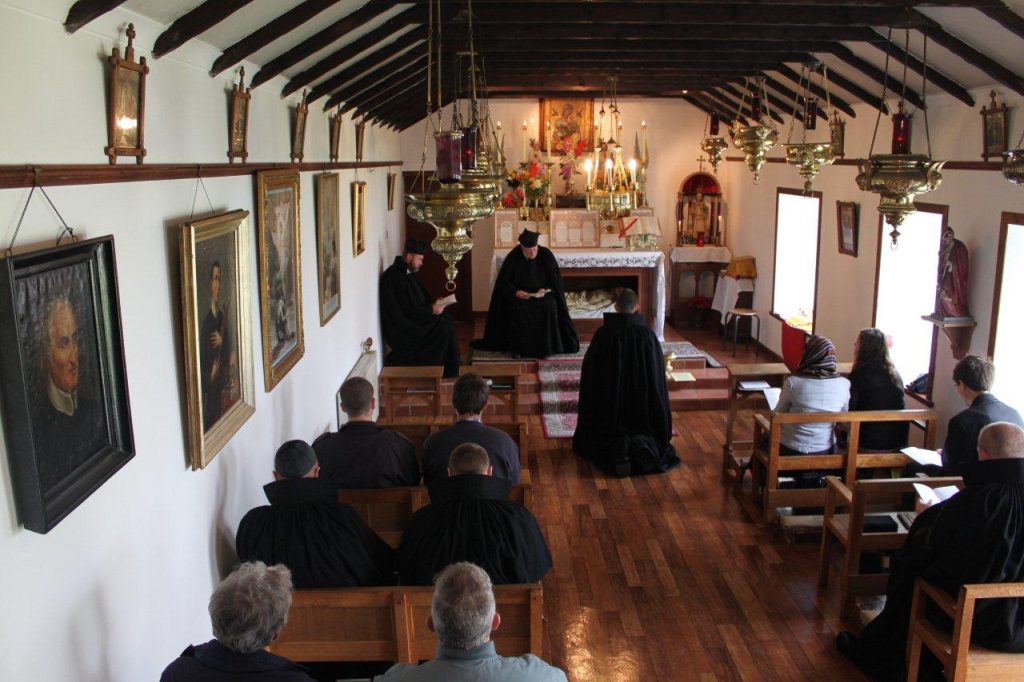
The Sons of the Most Holy Redeemer, a traditionalist community previously associated with the SSPX and later reconciled with Rome, has formally rejected the current papacy and called for an “imperfect general council” The Sons of the Most Holy Redeemer (FSSR) have publicly rejected the validity of the current papacy in a 21-page letter which describes a “spiritual catastrophe” in the Church since the Second Vatican Council. The community issued the document on 2 May, setting out a sustained critique of developments in doctrine, liturgy and governance in the Catholic Church over recent decades. In the letter, addressed to the faithful, the priests and brothers claim that the crisis stems from a long-term infiltration within the Church’s structures. “The problem is, as St Pius X warned, that the structures of the Catholic Church have been infiltrated by men of a different non-Catholic religion,” they wrote. “They use the Catholic name, they occupy the Catholic buildings, they know the Catholic culture. From the outside they look to be Catholics, but they do not profess the Catholic Faith as taught through the centuries.” The statement continues: “In reality, they have been formed as revolutionaries committed to the condemned Freemasonic heresies of Religious Liberty, Religious Indifference and False Ecumenism. Their infiltration has struck a lethal wound to the Catholic religion; they have brought about a major schism from the Mystical Body. We must stand firmly with the Catholic Church and move well away from the camouflage of its counterfeit.” The community argues that the effects of this alleged infiltration became fully visible in the period following the Second Vatican Council, held between 1962 and 1965. “Since the Second Vatican Council, the apparent Popes have caused a spiritual catastrophe of the greatest imaginable proportions,” the letter states. It adds that “new doctrinal, moral, liturgical, and disciplinary decisions since Vatican II cannot be accepted because they contradict what came before.” Despite the severity of its criticisms, the community insists that it does not consider itself to be separating from the Church. “Our Faith has not changed. Holding the True Faith of our Fathers, we will continue to offer the True Mass. We will worship the True God. And we will work for an Imperfect General Council to bring about the triumph of Christ’s One, Holy, Catholic and Apostolic Church,” the letter states. The monks further emphasise this point, writing: “We are not saying that we should leave the Catholic Church. The Catholic Church is the Ark of Salvation, the Mystical Body of Christ, the Bride without spot or wrinkle. We cling to her with all our strength. But we must recognise that the institutional structures that claim to be the Catholic Church have been infiltrated.” The declaration goes on to set out practical conclusions drawn from these claims, including a refusal to recognise the authority of the current pontiff. “We must do what Catholics have always done in times of crisis: we must hold fast to the Faith as it has always been taught. We must give no juridical recognition to those who have departed from it, including Leo XIV and his bishops,” the text states. Since 1999, the FSSR community has been based on Papa Stronsay, a small island in the Orkney archipelago off the north coast of Scotland. They also have one house in the United States and previously had another in New Zealand. The group traces its origins to the Society of St Pius X, itself founded in 1970 by Archbishop Marcel Lefebvre amid disputes over the interpretation and implementation of the Second Vatican Council. In 2008, the community sought reconciliation with Rome and was received into full communion during the pontificate of Pope Emeritus Benedict XVI. The declaration issued by the Sons of the Most Holy Redeemer on Papa Stronsay is the culmination of a trajectory that has been evident for some time. On 16 October last year, the group published “An Open Letter to the Catholic Bishops, Priests, Religious and Faithful” which took issue with various actions taken by Rome under Pope Francis, including Amoris Laetitia , Traditionis Custodes and Fiducia Supplicans . The recent letter marks a decisive break and makes the prospect of reconciliation considerably more difficult. Leaving little ambiguity, it states: “Since the Second Vatican Council, the apparent Popes have caused a spiritual catastrophe of the greatest imaginable proportions,” the priests and brothers write, adding that “new doctrinal, moral, liturgical, and disciplinary decisions since Vatican II cannot be accepted because they contradict what came before.” They conclude by saying: “We must give no juridical recognition to those who have departed from it, including Leo XIV and his bishops.” What has now emerged publicly confirms what some had already suspected. The community’s current position goes beyond that of the Society of St Pius X, which, despite its longstanding criticisms of Vatican II, has consistently stopped short of denying the legitimacy of the Pope. The Papa Stronsay declaration represents a further step, one that places the group closer to sedevacantist or quasi-sedevacantist currents. This shift had been anticipated in reporting from within traditionalist circles. It was unlikely that the Transalpine Redemptorists would rejoin the Society of St Pius X. Instead, sources within the Society suggested that the community was moving towards a more radical alignment, potentially situating itself within what has sometimes been described as the “sedevacantist” orbit. It is also believed that the group has received conditional ordinations from Bishop Pierre Roy, a former priest of the Society of St Pius X who is now a sedevacantist bishop. Bishop Roy himself has advocated the convocation of an ‘Imperfect General Council’ to resolve what he perceives to be a crisis in the Church. The community has explicitly called for an ‘Imperfect General Council’, a gathering of bishops who, in their view, have preserved the true faith. The idea has been referenced in external interviews. In remarks to a New Zealand outlet, Father Michael Mary indicated support for such a proposal, suggesting that the community sees this as a practical path forward in the absence of recognised ecclesial authority.
May 3, 2026