

Latest
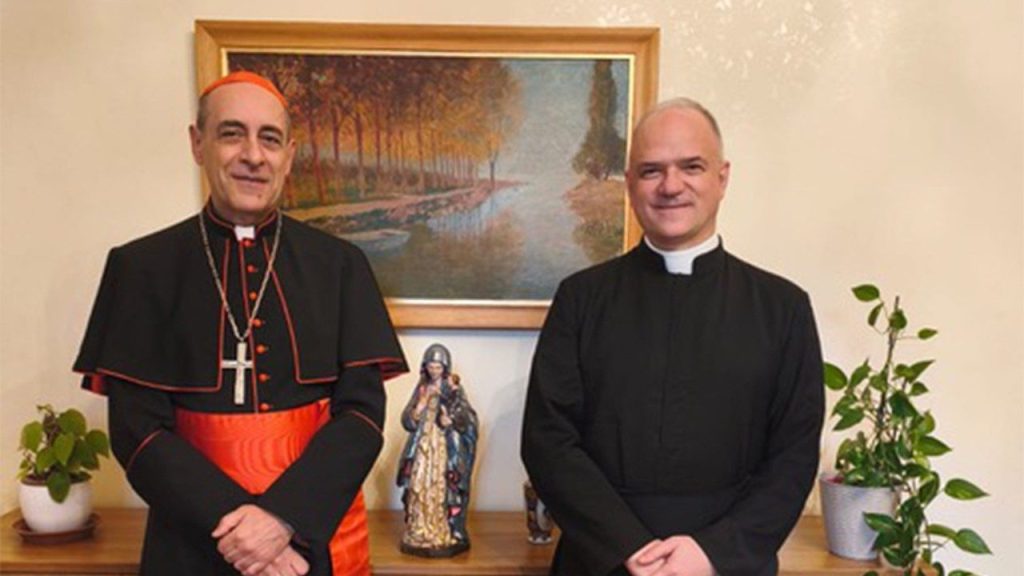
SSPX rejects Cardinal Fernández warning over July consecrations
The Society of St Pius X has issued a forceful public response to Cardinal Víctor Manuel Fernández’s warning that planned episcopal consecrations without papal approval would constitute “a schismatic act”, arguing that the Society is acting out of necessity for the “salvation of souls” The Society of St Pius X has issued a forceful response to Cardinal Fernández’s warning that planned episcopal consecrations without papal approval would constitute “a schismatic act”, arguing that the Society is acting out of necessity for the “salvation of souls” and therefore incurs no automatic excommunication under canon law. The response was published on 15 May by the Society’s official in-house news service, through Fr Jean-Michel Gleize, the French professor at the seminary at Écône who took part in doctrinal discussions with Rome between 2009 and 2011. The intervention follows a statement issued two days earlier by Cardinal Víctor Manuel Fernández, prefect of the Dicastery for the Doctrine of the Faith, who warned that the episcopal consecrations announced by the SSPX “do not have the corresponding pontifical mandate”. Cardinal Fernández said: “This gesture will constitute ‘a schismatic act’ (John Paul II, Ecclesia Dei, n. 3), and ‘formal adherence to the schism constitutes a grave offense against God and entails the excommunication established by Church law’.” The cardinal added that the Holy Father was praying that the Society’s leaders would “retrace their steps regarding the very serious decision they have taken”. Fr Gleize’s reply interpreted the Vatican declaration as confirmation that Pope Leo XIV will refuse to grant authorisation for the consecrations expected to take place on July 1. “The novelty that appears in this declaration from Rome,” Fr Gleize wrote, “is that the episcopal consecrations scheduled for July 1st will not be ‘accompanied by the corresponding papal mandate’. Coming from a Prefect of a Vatican dicastery, this remark is quite clearly an attempt to convey to the Society that Pope Leo XIV will refuse to authorise the consecrations.” Fr Gleize based much of his argument on Canons 1323 and 1324 of the 1983 Code of Canon Law, maintaining that a person acting out of necessity, or under the sincere belief that such necessity exists, is not subject to automatic penalties. Quoting canon law directly, Fr Gleize argued that a person who violates a law “out of necessity, or to avoid serious harm, is not punishable by any penalty”, provided the act is not “intrinsically evil or causes harm to souls”. He further contended that even if Church authorities judged the act objectively wrong, “the penalty of latae sententiae is not incurred” where the accused acted in good faith under a perceived necessity. “In other words,” Fr Gleize wrote, “even if one admits that there is no real necessity to justify the act, the mere fact that the perpetrator committed the act driven by what he believed to be a real necessity is sufficient to excuse him from the crime.” The SSPX professor insisted that the Society’s intention remained the good of the Church rather than rebellion against papal authority. “This is why it disregards this application of ecclesiastical law that would accuse it of a crime and impose the corresponding penalty,” Fr Gleize stated. “Why? Simply because ecclesiastical law cannot be applied to the detriment of the salvation of souls.” Fr Gleize added: “In all reality, there is no wrongdoing, no schism on the part of the Fraternity. But only the same zeal which remains unchanged, even if it takes on paradoxical forms in the eyes of the world, for the glory of God and the salvation of souls.” The response concluded with an unusually confrontational passage directed at senior churchmen associated with more progressive currents in the Church. “Excommunicated? But by whom?” Fr Gleize asked. “By those who receive the blessing of a schismatic woman, the Archbishop of Canterbury, Sarah Mullally? By those who authorise the blessing of Fiducia Supplicans? And who kneel before Pachamama?” Cardinal Fernández’s statement had drawn immediate comparisons with events preceding the 1988 consecrations carried out by Archbishop Marcel Lefebvre at Écône without papal mandate. Shortly before those consecrations, Cardinal Bernardin Gantin, then prefect of the Congregation for Bishops, issued a formal canonical warning to Archbishop Lefebvre declaring that such an act would incur automatic excommunication. “Since on June 15, 1988 you stated that you intended to ordain four priests to the episcopate without having obtained the mandate of the Supreme Pontiff,” Cardinal Gantin wrote, “I myself convey to you this public canonical warning.” His Eminence added: “If you should carry out your intention as stated above, you yourself and also the bishops ordained by you shall incur ipso facto excommunication latae sententiae reserved to the Apostolic See.” Archbishop Lefebvre nevertheless proceeded with the consecrations on June 30, 1988, leading Pope St John Paul II to issue the motu proprio Ecclesia Dei, which described the act as schismatic. The SSPX has long disputed that interpretation, insisting that Archbishop Lefebvre acted in a state of necessity amid what the Society viewed as a profound doctrinal and liturgical crisis in the Church following the Second Vatican Council. The latest public exchange between Cardinal Fernández and Fr Gleize now appears to indicate that tensions between Rome and the Society are entering a new and potentially decisive phase ahead of the proposed July consecrations. Photo credit: Dicastery for the Doctrine of the Faith
May 17, 2026
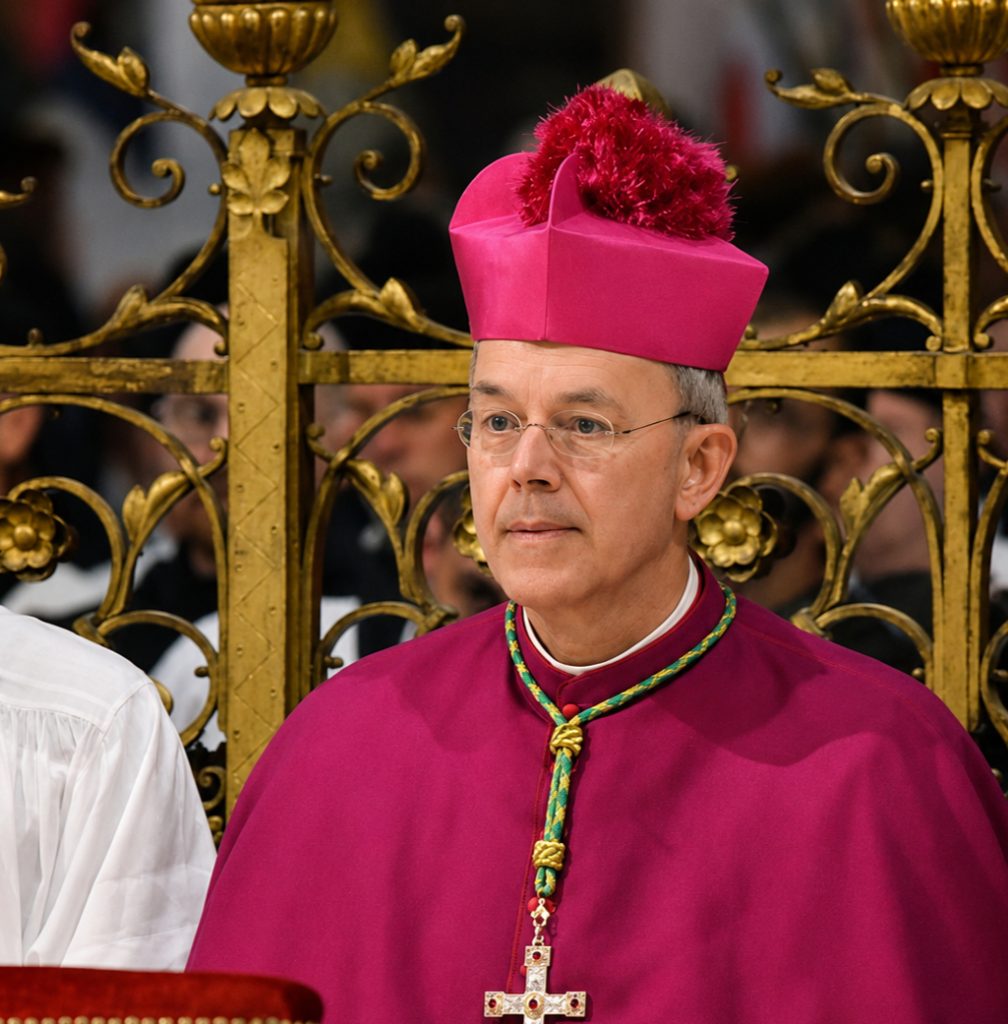
‘This is not synodal’: Bishop Schneider on possible SSPX excommunications
Bishop Athanasius Schneider, Auxiliary Bishop of Astana in Kazakhstan, has said that excommunicating the SSPX would be “not synodal” and warned that, if the Pope were to excommunicate the Society, “this will go down in history as a huge error of rigidity”. Speaking to EWTN’s The World Over with Raymond Arroyo, the 65 year old […] Bishop Athanasius Schneider, Auxiliary Bishop of Astana in Kazakhstan, has said that excommunicating the SSPX would be “not synodal” and warned that, if the Pope were to excommunicate the Society, “this will go down in history as a huge error of rigidity”. Speaking to EWTN’s The World Over with Raymond Arroyo , the 65 year old prelate spoke openly about the planned July episcopal consecrations by the Society of St Pius X, which have led to reports that the entire Society and its faithful could find themselves excommunicated. Bishop Schneider pointed to what he described as a contradiction in the approach, saying that the Vatican is “promoting the inclusivity of synodal methods and are generous with the German Synodal Way” as well as being “generous with the Communist Chinese Party to grant them to ordain bishops there”, whilst coming down with full ecclesial force on the Society of St Pius X. The bishop further said that he had written to the Pope asking him to give the SSPX permission to consecrate bishops “as a first step to integrate them, to create an atmosphere of mutual trust”. He also appealed directly to the Pope during the interview, saying: “Holy Father, please avoid such a wound in the Church which you can avoid.” Throughout the interview, Bishop Schneider was notably more forgiving towards the Society than other prelates have been when discussing the its canonical irregularity. He said that he did not think they were “schismatics” and that they “love the Pope, pray for the Pope, and want simply to have the guarantee to transmit the faith of all times without any ambiguity”. When the topic turned to whether the concerns of the SSPX were purely related to their attachment to the Tridentine Mass, the bishop responded by saying “the problem is deeper”. Acknowledging their criticisms of parts of the Second Vatican Council, he said: “There are ambiguities in some council texts. There are ambiguities in the post-conciliar Magisterium.” He also appeared grateful for the role played by the Society in raising such questions about the Second Vatican Council, telling Arroyo that “we must be honest, and therefore we must be thankful to the Society of Pius X to address it publicly”. Appointed a bishop at the age of 49 by Pope Benedict XVI, Bishop Schneider has long been associated with the traditional Latin Mass and the communities attached to it. In 2015 he was appointed by the Holy See to carry out visitations to two SSPX seminaries. After the visit, he stated that “there are no serious reasons to deny the clergy and faithful of the Society of Saint Pius X official canonical recognition”. At present, every indication points towards the Society of St Pius X consecrating bishops on July 1, with a website recently created requiring attendees to complete compulsory registration “for security reasons”. Photo by: Monegasque2 – Own work, CC BY-SA 4.0, https://commons.wikimedia.org/w/index.php?curid=48468039
May 16, 2026
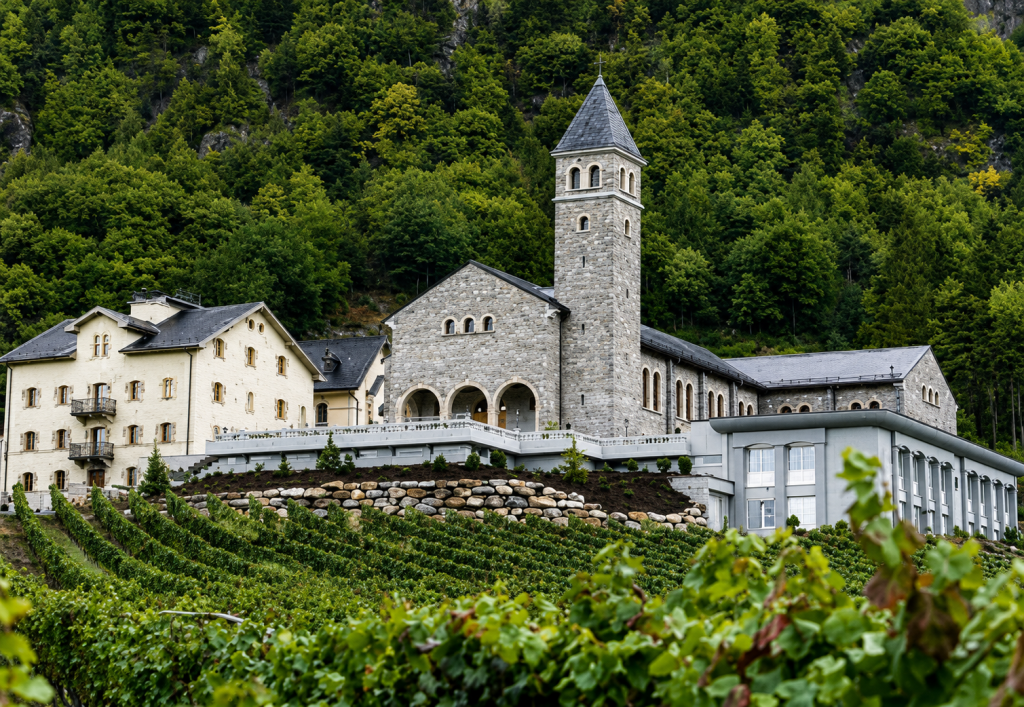
SSPX website reveals details of July consecrations and compulsory registration system
The Society of St Pius X has opened official registration for pilgrims wishing to attend the priestly ordinations and episcopal consecrations at Écône this summer, with organisers insisting that registration will be compulsory “for security reasons”. A new multilingual website launched by the seminary authorities says: “Access to the ceremonies is reserved for registered attendees. […] The Society of St Pius X has opened official registration for pilgrims wishing to attend the priestly ordinations and episcopal consecrations at Écône this summer, with organisers insisting that registration will be compulsory “for security reasons”. A new multilingual website launched by the seminary authorities says: “Access to the ceremonies is reserved for registered attendees. Please complete your registration below.” The ceremonies, which will take place from June 29 to July 2 at the International Seminary of Saint Pius X in Switzerland, are expected to attract thousands of faithful from across Europe and beyond. Visitors are asked to register according to their category, including “Faithful”, “Clergy”, “Organised Group” and “Press / Media”. The website describes the gathering as four “days of grace” centred on the priestly ordinations and episcopal consecrations in the “majestic setting of the Écône meadow”. A countdown clock on the homepage marked 43 days remaining before the ceremonies at the time of publication. The programme published by the organisers provides one of the clearest indications yet of the scale and detailed planning surrounding the event. Priestly ordinations will begin on Monday, June 29, with a Pontifical Mass of Ordination scheduled for 9am in the meadow at Écône, followed by first blessings from the newly ordained priests and Pontifical Vespers with Benediction of the Blessed Sacrament. The following day will include a series of first Masses celebrated by the newly ordained priests at various locations around the seminary grounds. The schedule published online includes Masses to be celebrated by Fr Bunge, Fr Braun, Fr Richter and Fr Hernanz. The episcopal consecrations themselves are due to take place on Wednesday, July 1, beginning at 9am, followed later in the day by Pontifical Vespers and Benediction. A final Pontifical Mass celebrated by one of the newly consecrated bishops is scheduled for Thursday, July 2. The website also includes a dedicated section titled “Our Future Bishops”, inviting visitors to “discover the priests who will receive episcopal consecration at Écône” and to “support them with your prayers and encouragement”. No further official details about the candidates for episcopal consecration had been published in the section at the time of writing. The launch of the portal appears intended not only to organise pilgrim access but also to coordinate accommodation and transport for the large international crowds expected to travel to the Swiss Alps. The organisers have published accommodation listings under sections marked “Private hosts” and “Partner hosts”, while a dedicated carpooling system allows pilgrims to offer or request transport. Users are instructed to create accounts in order to participate in the ride-sharing system, which allows searches “by city”. The seminary authorities have also published extensive logistical guidance under a “Plan my visit” section, including travel information, maps and practical instructions for pilgrims attending the ceremonies. The scale of the preparations points to the significance of the upcoming consecrations for the Society of St Pius X, founded by Archbishop Marcel Lefebvre in 1970. Écône has occupied a central place in the history of the Society since Archbishop Lefebvre established the seminary there following the reforms after Vatican II. The Swiss seminary became internationally known in 1988 when Archbishop Lefebvre consecrated four bishops without papal mandate alongside Bishop Antonio de Castro Mayer, prompting Rome to declare that the bishops involved had incurred automatic excommunication. The Vatican later lifted the excommunications of the surviving bishops in 2009 under Pope Benedict XVI, although the Society’s canonical situation within the Church remains unresolved. The forthcoming consecrations have already attracted widespread interest internationally, particularly because episcopal consecrations at Écône remain comparatively rare and historically significant events in the life of the Society. The new registration system now makes clear that attendance at the ceremonies will be tightly controlled through advance accreditation and organised access procedures. Image credit: DICI – http://www.dici.org/wp-content/uploads/2011/04/econe_11.jpg, CC BY-SA 4.0, https://commons.wikimedia.org/w/index.php?curid=53945183
May 16, 2026
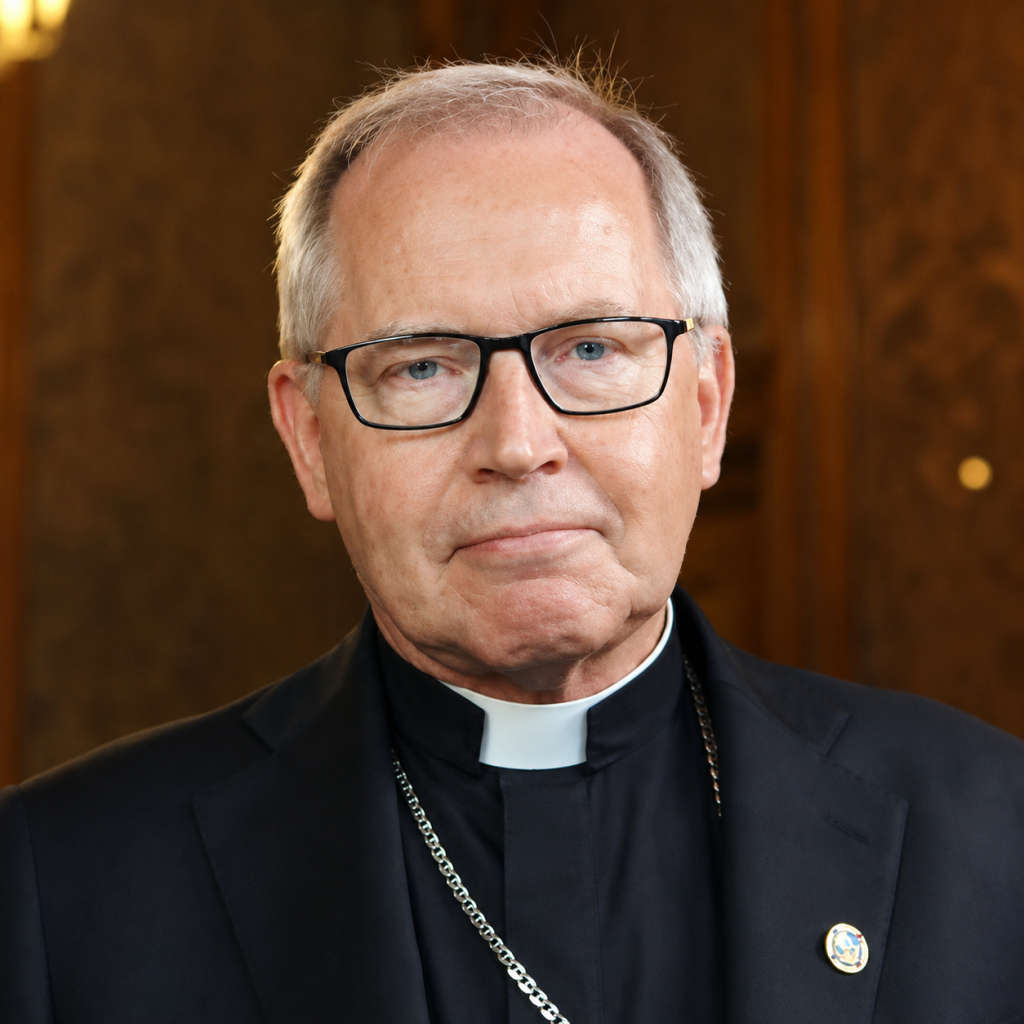
Cardinal Eijk warns Vatican synod report ‘must be forcefully refuted’
Cardinal Willem Jacobus Eijk has issued one of the strongest episcopal critiques yet of the Synod on Synodality Cardinal Willem Jacobus Eijk has issued one of the strongest episcopal interventions yet against the Synod on Synodality’s treatment of moral theology. The Dutch Cardinal has warned that the final report of Study Group 9 risks undermining settled Catholic teaching on sexuality and the nature of moral truth itself. Writing in the National Catholic Register , Cardinal Eijk said the report “fundamentally contradicts Catholic moral teaching and thoroughly undermines its application to moral conduct”, adding that the document “must be forcefully refuted”. The report at the centre of the controversy, entitled Theological Criteria and Synod Methodologies for Shared Discernment of Emerging Doctrinal, Pastoral, and Ethical Issues , was produced by one of 10 study groups established by Pope Francis in February 2024 after the Synod assemblies concluded that insufficient time remained to address several contentious themes before the final Vatican gathering later that year. Study Group 9 had been tasked with examining doctrinal and ethical questions initially described as “controversial”. The report later explained that the phrase had been replaced with “emerging issues” as part of what it called an “authentic paradigm shift” inspired by the reforms of the Second Vatican Council. Particular controversy has surrounded the inclusion of testimonies from two men in same-sex “civil marriages”. One contributor from Portugal described building “a life of shared faith and service with my husband”, while another American witness wrote that his sexuality “isn’t a perversion, disorder, or cross; it’s a gift from God. I have a happy, healthy marriage and am flourishing as an openly gay Catholic”. The report stated that one testimony “bears witness to the discovery that sin, at its root, does not consist in the (same-sex) couple relationship, but in a lack of faith in a God who desires our fulfilment”. Cardinal Eijk said the authors reproduced the statement “without correction or clarification”. “Homosexual acts are intrinsically evil – this is settled Catholic doctrine,” Cardinal Eijk wrote. “A believing Christian who engages in such acts certainly falls short in faith, insofar as he fails to trust in God’s grace, which enables him to avoid sin. But this does not mean the sin lies primarily in lack of faith rather than in the act itself, as the witness suggests.” His Eminence also criticised the report’s treatment of Courage International, the apostolate founded in New York in 1980 to help Catholics with same-sex attraction live according to Church teaching. The American testimony portrayed Courage negatively, suggesting that it “separates faith and sexuality” and associated it with conversion therapy. Cardinal Eijk argued that by presenting such testimonies without doctrinal response, the report effectively normalised homosexual relationships within a Church context. “This represents a clear attempt to weaken the proclamation of Catholic moral teaching,” Cardinal Eijk said. Much of Cardinal Eijk’s criticism focused not only on sexuality but on the report’s wider theological method. The study group rejected what it described as the “abstractly proclaiming and deductively applying principles that are set out in an immutable and rigid manner”, instead advocating what it termed a “fruitful tension” between doctrine and lived experience. The report also insisted that discernment should avoid “a problem-solving perspective” and should not presume “to deduce action from the simple application of norms”. Instead, local Churches were encouraged to prioritise listening and dialogue rather than “pre-packaged” doctrinal solutions. Cardinal Eijk said such language concealed “a radical departure from Catholic moral theology”. Referring to the report’s use of Christ’s words that “the Sabbath was made for humankind, and not humankind for the Sabbath”, His Eminence wrote: “This is a fundamental misreading of Scripture.” Cardinal Eijk argued that the report confused changeable ritual law with the permanent moral law rooted in creation. “The moral law concerning marriage and sexuality is of an entirely different character,” Cardinal Eijk wrote. “These norms flow from the natural law, which reflects God’s purposes in creating human beings, marriage and sexuality itself.” His Eminence then restated traditional Catholic teaching on marriage in classical terms, writing that “sexual differentiation and openness to life are essential elements” of marriage as a “mutual total self-giving between a man and a woman”. Cardinal Eijk added that “sexual acts between persons of the same sex cannot constitute such a total gift because they are closed to the transmission of life by their very nature”. Study Group 9 repeatedly insisted that its aim was not to produce “generalisable solutions” but to initiate “processes in the form of listening”. The report argued that moral understanding should emerge gradually through dialogue across cultures and local Churches rather than through the direct application of universal norms. For Cardinal Eijk, that approach strikes at the heart of Catholic moral teaching. “The Church’s teaching is not obscure, nor is it subject to revision through synodal processes,” Cardinal Eijk wrote. “It is the truth that sets us free.” His Eminence concluded by stating that “a number of cardinals and bishops will make their objections known to the Roman Magisterium.”
May 16, 2026
Pope Leo XIV’s first encyclical now expected later this month
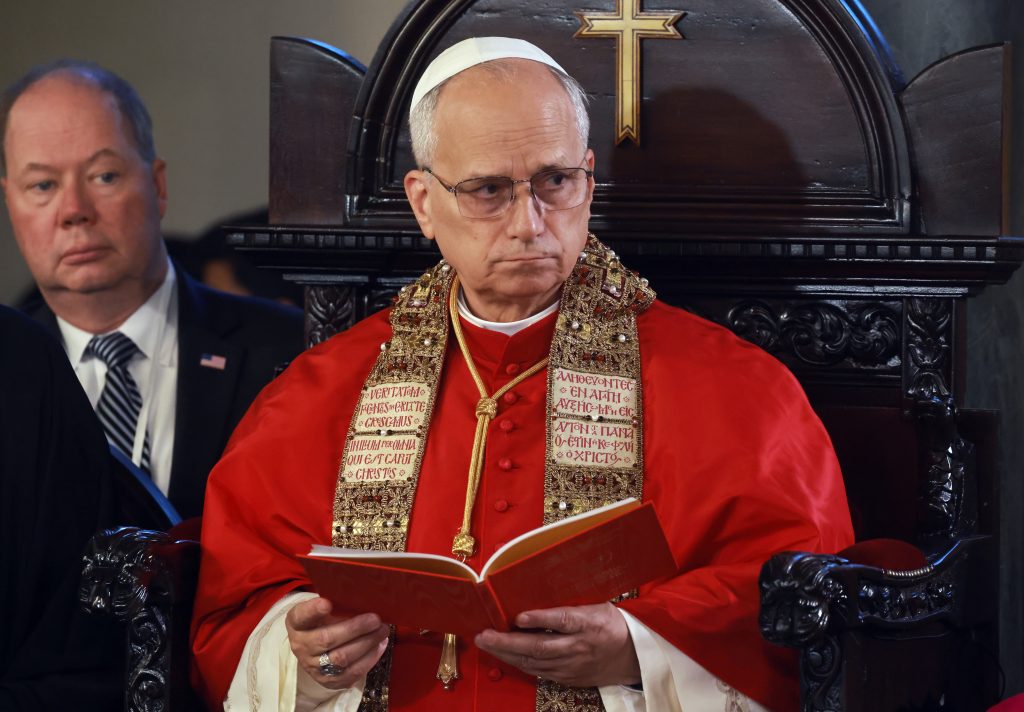
Pope Leo XIV’s first encyclical, expected to address artificial intelligence, international peace and the crisis in international law, is now expected later this month after the Holy See Press Office indicated an announcement regarding the document will be made on May 22 Pope Leo XIV’s first encyclical, which was widely reported as being due to be signed today, is now not expected to be signed and published until later this month. According to reports from the German Catholic news agency KNA, it had been due to be signed on May 15. However, Matteo Bruni, director of the Holy See Press Office, told journalists that an announcement regarding the document will be made on May 22. Circulating under the provisional title Magnifica Humanitas , it is expected to address a range of issues including artificial intelligence, international peace and what sources describe as a crisis in international law. The encyclical follows earlier indications that the Holy See had been preparing a document focused specifically on artificial intelligence. At the beginning of February, reports pointed to work under way on a text examining the ethical and anthropological implications of emerging technologies. Pope Leo XIV has already spoken about the risks associated with technological development, warning of the dangers posed by “uncontrolled technology” and stressing the importance of safeguarding human dignity. According to reports, the encyclical will also address geopolitical instability and the perceived weakening of international legal structures. The document is expected to set out the Church’s response to some of the principal challenges facing humanity in the 21st century. The anticipated date of May 15 would have matched the signing and publication of Rerum Novarum , Pope Leo XIII’s best-known encyclical, which was issued on May 15, 1891. The document is regarded as the foundational text of modern Catholic social teaching and addressed the condition of workers during the industrial age. The same date was chosen in 1931 by Pope Pius XI for Quadragesimo Anno , which developed the Church’s teaching on social order and introduced the principle of subsidiarity. Thirty years later, on May 15, 1961, Pope John XXIII promulgated Mater et Magistra , which focused on economic justice and social development. However, with an announcement now expected on May 22, it is possible that the release date may instead coincide with John Paul II’s Ut Unum Sint , on ecumenism, which was issued on May 25, 1995, or Pope Leo XIII’s Annum Sacrum , which was issued on May 25, 1899 and consecrated the entire human race to the Sacred Heart of Jesus. The expected treatment of artificial intelligence would build on recent Vatican teaching. In January 2025, the Dicastery for the Doctrine of the Faith and the Dicastery for Culture and Education issued Antiqua et Nova , a joint note on “the relationship between artificial intelligence and human intelligence”. The document said AI could bring “important innovations” but warned that it also carried the danger of deepening inequality, manipulating public opinion and expanding “the instruments of war well beyond the scope of human oversight”. It added that artificial intelligence “should not be seen as an artificial form of human intelligence, but as a product of it”, and insisted that it “should be used only as a tool to complement human intelligence rather than replace its richness”. As yet, no date has been confirmed and the title Magnifica Humanitas remains provisional.
May 15, 2026
Cause opens for canonisation of Gen Z Opus Dei numerary
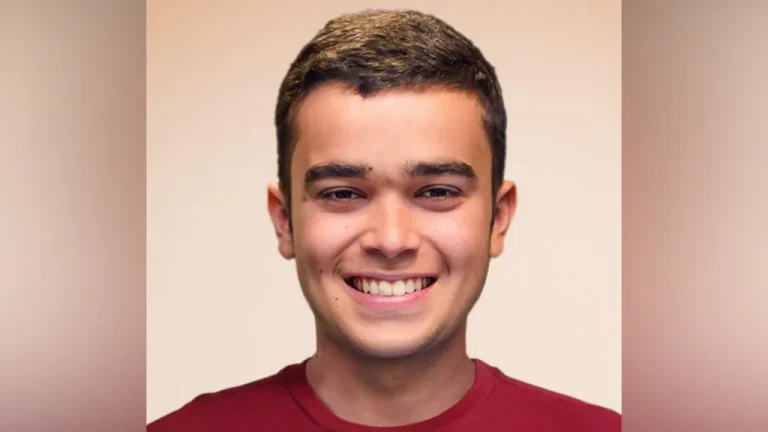
The Diocese of Salford has formally opened the cause for the beatification and canonisation of Pedro Ballester, the 21-year-old Opus Dei member who died of cancer in 2018 and could become the Catholic Church’s first Gen Z Saint The Diocese of Salford has formally opened the cause for the beatification and canonisation of Pedro Ballester, the 21-year-old who died of cancer in 2018 and is now on the path to becoming the Catholic Church’s first Gen Z saint. In a statement issued on 13 May, the Diocese of Salford said: “We are pleased to announce the opening of the Cause for the Beatification and Canonisation of Pedro Ballester, a young Manchester man whose life of faith and witness continues to inspire many.” Pedro died on 13 January 2018 at the age of 21. Born in Manchester in 1996 to Spanish parents, he later grew up in Harrogate before studying chemical engineering at Imperial College London. The diocese said that “shortly after beginning university, Pedro was diagnosed with advanced pelvic cancer” and that he “accepted his illness with remarkable faith, offering his suffering for the Pope, the Church and all souls, and bearing his condition with deep serenity and trust in God”. The Church will now investigate whether Pedro lived a life of heroic virtue. Evidence will be gathered concerning Pedro’s life, writings and reputation for holiness before documentation is eventually sent to Rome for examination by the Dicastery for the Causes of Saints. The diocese said that Pedro’s “reputation for holiness has grown significantly” in the years since his death, adding that the postulator of the cause, Fr Paul Hayward, had formally requested the opening of proceedings. Bishop John Arnold of Salford has invited the faithful to submit “personal testimonies, memories and any writings attributed to him, such as letters or diaries” to assist the investigation. Pedro Ballester was a numerary member of Opus Dei, having joined the institution as a teenager after attending classes of Christian formation at Greygarth Hall in Manchester. His family had ties to Opus Dei, and he was known among friends for combining academic ability with an outgoing and sociable personality. After achieving top grades in his A-levels, Pedro began studying at Imperial College in 2014. Within months he developed severe back pain and was diagnosed with advanced pelvic cancer. He later transferred his studies to the University of Manchester while receiving treatment, though deteriorating health repeatedly interrupted his degree. For much of the following three years he underwent intensive treatment at The Christie NHS Foundation Trust, as well as specialist treatment in Heidelberg, Germany. Fr Joseph Evans, chaplain of Greygarth Hall, who accompanied Pedro during the final stages of his illness, previously told the press: “Pedro was very much an ordinary person with defects and struggles. Sometimes the suffering got him down, particularly that it went on for so long. At times he would cry. He could be occasionally irritated or react against what he considered excessive sentimentality. But his struggle was very real and exceptionally brave.” Pedro met Pope Francis during a visit to Rome in 2015 after a temporary improvement in his condition. In the final months of his life he spent periods living at Greygarth Hall surrounded by fellow members of Opus Dei, friends and relatives, while continuing treatment in Manchester. According to Opus Dei, more than 500 people attended his funeral Mass at the Holy Name Church in Manchester, celebrated by Bishop Arthur Roche, now a Cardinal and Prefect of the Dicastery for Divine Worship and the Discipline of the Sacraments. In a homily delivered after Pedro’s death, Fr Evans said: “Suffering was the curriculum, the syllabus, which Pedro was given to study, not in some abstract, intellectual manner, but in the most personal, flesh and blood manner you can imagine. And he passed with distinction.” If Pedro’s cause advances, he would become one of the youngest British candidates for sainthood in modern times and could become the first “Gen Z” person to be canonised. Jack Valero, head of communications for Opus Dei in Great Britain, told AdVaticanum: “It’s wonderful to see how God is drawing out new models of holiness among young people in the last few years: Carlo Acutis, Pier Giorgio Frassati, Sister Clare Crockett, and now Pedro Ballester. They show us that holiness is possible in the 21st century, even from a very young age, and that holiness leads to deep happiness. Pedro was above all a very happy person, even in the middle of his suffering. He is becoming another role model for many young Catholics today.” In the aftermath of Pedro’s death, a group of friends established a website “with the hope that one day Pedro will be counted among the saints in the Catholic Church”. Hundreds of people from all over the world have posted stories of spiritual and physical graces received which they attribute to the intercession of Pedro.
May 15, 2026