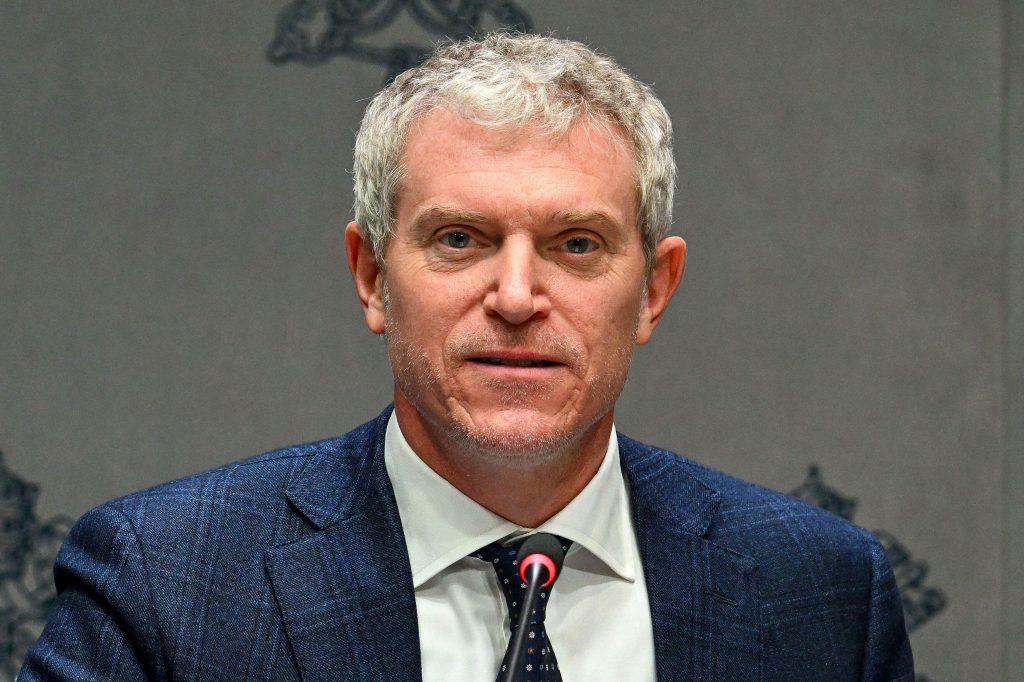
Cardinal Kurt Koch has said that more Christians are being martyred today than during the first centuries of the Church.
The Swiss cardinal made the remarks during a pilgrimage for persecuted Christians at Einsiedeln Abbey, one of Europe’s most renowned Marian shrines, where he celebrated Mass before pilgrims gathered by Aid to the Church in Need (ACN) Switzerland.
Reflecting on the witness of Christians who continue to suffer for their faith, the Prefect of the Dicastery for Promoting Christian Unity said: “Martyrdom truly belongs to the heart of Christianity. Today, there are more martyrs than in the first centuries of Church history.”
Tacitus (56–120 AD), in his Annals, described Nero’s persecution in 64 AD, during which an “immense multitude” of Christians in Rome were arrested, tortured and executed, including being burned as torches, torn apart by dogs or crucified, not so much for arson as for “hatred of the human race”. Tacitus, a non-Christian senator writing decades later, viewed Christianity negatively but confirmed the brutality of the persecution.
Later Christian writers such as Eusebius of Caesarea (c. 260–339 AD), in his Ecclesiastical History, compiled accounts of early persecutions and referred to “countless” or “myriads” of martyrs across different periods. However, modern scholars note that first-century persecutions were mostly local, with the number of Christian martyrs by 100 AD often estimated at around 7,500.
The cardinal, who is also president of the pontifical foundation Aid to the Church in Need, used the occasion to highlight what he described as a sign of Christian unity emerging from persecution. “Dictators do not distinguish between Catholics, Orthodox, Lutherans, Anglicans or Protestants,” he said. “The blood that has been shed unites Christians beyond their divisions.”
Quoting a phrase frequently employed by the late Pope Francis, Cardinal Koch referred to an “ecumenism of blood”, arguing that Christians are targeted not because of denominational differences but because of their shared faith in Jesus Christ. “Christians are not persecuted because they belong to a particular Church, but because of their faith in Christ,” he said.
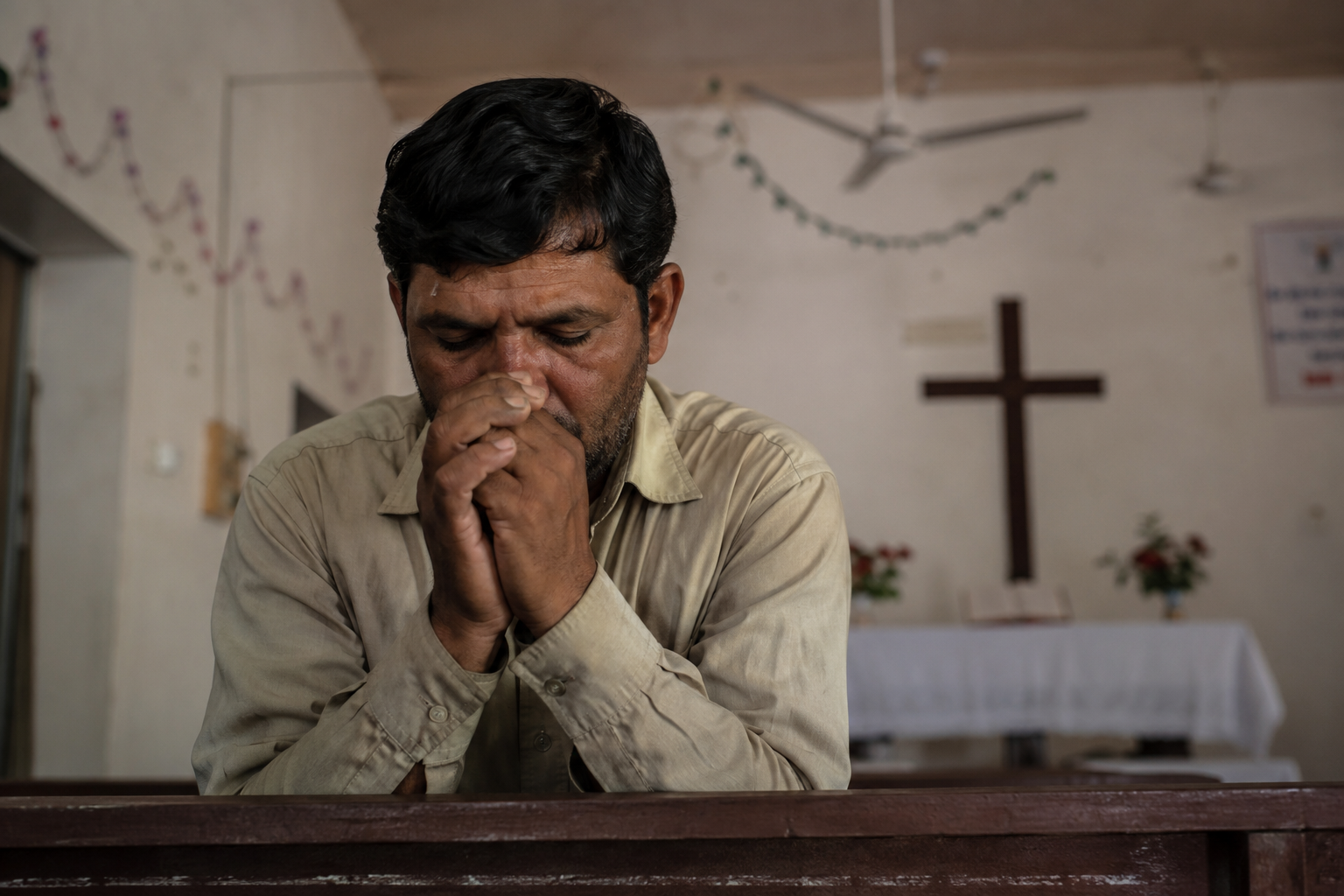
Special prayers were offered during the pilgrimage for Christian communities affected by violence and instability in countries including Iraq, Haiti, Pakistan and Indonesia. Pilgrims prayed for those enduring persecution, forced displacement, abduction and other forms of hardship because of their religious beliefs.
The gathering also included discussions on the Church’s response to war, persecution and humanitarian crises, with participants reflecting on the role of faith and practical assistance in supporting communities living under pressure.
In comments given in connection with the pilgrimage, Cardinal Koch spoke of his commitment to the work of the charity following his appointment as its president by Pope Leo XIV. He said he accepted the role “with great joy” and described the foundation as one that continually draws attention to parts of the Church experiencing severe hardship.
The annual pilgrimage was held at the Benedictine abbey of Einsiedeln in central Switzerland, a site associated with Christian pilgrimage for centuries and which remains one of the country’s most important centres of Catholic devotion. The monastery is home to the celebrated Black Madonna of Einsiedeln, which attracts hundreds of thousands of pilgrims and visitors each year.
In Europe, modern Christian persecution primarily manifests as what Pope Francis and others have described as “polite persecution”, a combination of cultural marginalisation and legal restrictions. Organisations such as the Observatory on Intolerance and Discrimination against Christians in Europe (OIDAC) documented around 2,444 anti-Christian hate crimes across 35 countries in 2023, including more than 2,000 incidents targeting churches and cemeteries. France reported nearly 1,000 cases, mostly vandalism, followed by the United Kingdom and Germany. These trends continued into 2024 and 2025, with reports of increased arson attacks on churches, nearly doubling in some years.
Globally, Christian persecution involves severe restrictions and deadly violence. Open Doors’ World Watch List 2026 reported that more than 388 million Christians, approximately one in seven worldwide, face high levels of persecution and discrimination. During the reporting period, researchers documented 4,849 Christians murdered for their faith, roughly 13 per day, 4,712 detained, and 3,632 churches or Christian properties attacked. The vast majority of killings, more than 90 per cent, occurred in sub-Saharan Africa, particularly Nigeria, where Islamist groups such as Boko Haram and Fulani militants target Christian communities.