

Synod On Synodality
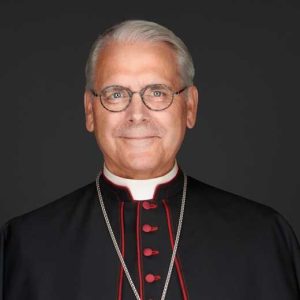
Archbishop Coakley calls for simpler presentation of synodality
The president of the United States Conference of Catholic Bishops has called for a simpler presentation of synodality. Speaking after a Vatican meeting with Pope Leo XIV, Archbishop Paul Coakley said synodality must be explained in a way that is readily understood by Catholics in the pews The president of the United States Conference of Catholic Bishops has called for a simpler presentation of synodality, warning that unfamiliar language risks distancing ordinary Catholics from the process. Archbishop Paul Coakley of Oklahoma City made the appeal while speaking to the Catholic News Service following a meeting at the Vatican with Pope Leo XIV, where participants reviewed progress in implementing the final document of the Synod on Synodality and discussed the challenges facing its reception across the world. Although bishops reported encouraging signs that synodal practices are becoming more firmly established in North America, Archbishop Coakley said one of the principal obstacles remains explaining synodality in a way that is readily understood by Catholics in the pews. The president warned that technical language risks limiting participation rather than broadening it. “Synodality is often presented and perceived by many as a cumbersome and complicated process with language and terminology that is unfamiliar to most Catholics,” the archbishop said. “Unless we can simplify how synodality is presented, it risks becoming the exclusive domain of specialists or ‘the initiated’ rather than a way of simply living our faith together.” The meeting, held in Rome from 23 to 25 June, brought together representatives from Latin America, Africa, Asia, Europe, Oceania, the Middle East and North America, together with the coordinators of the continental synodal teams. Part of the discussions centred on how local Churches have been putting into practice the Synod on Synodality’s final document, issued in October 2024, as preparations continue for the next phase of the worldwide process. The North American delegation included Archbishop Coakley, Auxiliary Bishop Juan Miguel Betancourt of Hartford, who serves as the United States bishops’ liaison for the synod, Bishop Pierre Goudreault, president of the Canadian Conference of Catholic Bishops, and Julia McStravog, senior adviser to the United States synod leadership team. Speaking after the meeting, Archbishop Coakley said a clear conclusion from the discussions was the need for better formation in synodality, not only in understanding its methods but also its spiritual foundations. Rather than creating entirely new structures, the archbishop suggested that the Church should continue developing the consultative bodies that already exist in parish and diocesan life. He noted that the Church in the United States has long encouraged lay participation through parish pastoral councils, diocesan councils, finance committees and advisory bodies. The task now, Coakley said, is to deepen discernment within those existing structures and to foster “an appropriate spirituality based on discernment and rooted in prayer”. Bishop Betancourt said synod leaders from across the United States continue to meet each month to exchange experiences and priorities, with those conversations strengthening cooperation between dioceses and helping local Churches adopt the synodal method of “conversations in the Spirit”. According to the bishop, the process has already influenced pastoral planning in several dioceses, informing decisions on parish consolidation, Mass schedules, the allocation of clergy and the distribution of diocesan resources. The Bishop of Hartford also highlighted the cultural diversity of the Catholic Church in the United States, describing it as an opportunity to broaden participation, encourage co-responsibility and strengthen missionary outreach. At the same time, the bishop acknowledged that two significant challenges remain: the unfamiliar language surrounding synodality and continuing reluctance among some Catholics to become involved in the process. Wider participation by the lay faithful, particularly those who are distant from the life of the Church, is essential if synodality is to become embedded, he said, because every baptised person shares responsibility for the Church’s mission. The bishop said: “Increasing participation by the lay faithful across the global Church, especially among the marginalized or distant, is essential to making the Church’s work more synodal.” Addressing concerns that synodality represents a departure from Catholic tradition, Bishop Betancourt rejected that interpretation. Instead, he described it as a recovery of the Church’s own tradition of communal discernment ordered towards evangelisation rather than institutional change. “Synodality is not parting from Catholic tradition but a deeper return to it,” he said. “It’s about discerning God’s will, not about personal preferences or agendas.” Bishop Goudreault also revealed that, after eight years as bishop, he had invited his diocesan team to evaluate his own ministry, describing accountability as a natural consequence of synodality. The exercise, he said, had allowed him to recognise both strengths and areas requiring improvement. The discussions in Rome also offered further insight into Pope Leo XIV’s priorities as he continues the work begun under Pope Francis. Archbishop Coakley said the Pope “clearly wants to build on the synodal vision outlined and presented by Pope Francis” while developing it in his own way. Bishop Betancourt said Pope Leo has consistently presented synodality as a means of strengthening communion throughout the Church rather than altering Catholic teaching. The Pope, he said, has “repeatedly made clear that synodality is not about changing doctrine or undermining the hierarchical communion of the Church”. Instead, it provides “a foundation for evangelisation, a shared process of listening, discerning, and building relationships”. The meeting came only days after the Vatican published the full programme for an October gathering marking the tenth anniversary of Amoris Laetitia . A preparatory framework issued jointly by the Dicastery for the Laity, Family and Life and the General Secretariat of the Synod invites Church leaders to reflect on five principal themes as they consider how the Gospel can be proclaimed more effectively to families. Attention will now turn to the next stages of the synodal process. Diocesan and eparchial evaluation assemblies are scheduled during the first half of 2027, followed by national and regional gatherings later that year. Continental assemblies will meet in early 2028 before an ecclesial assembly convenes in Rome with Pope Leo XIV in October 2028.
Jul. 7, 2026
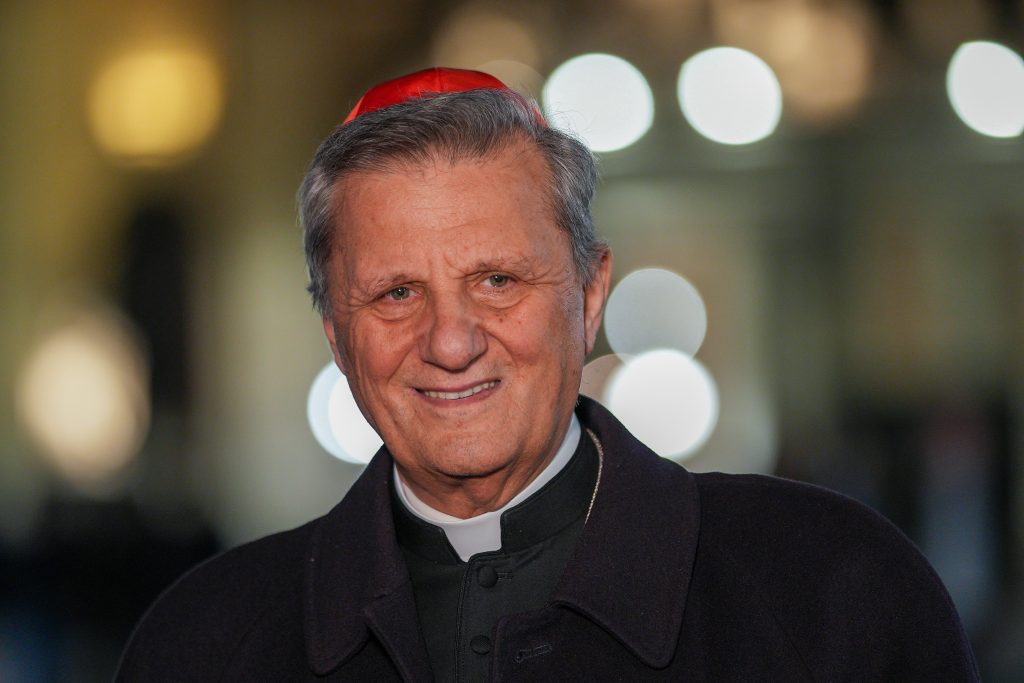
Report from Day 2 of the Consistory: Cardinal Grech sets out synodality’s next phase
The final session of Pope Leo XIV’s Extraordinary Consistory focused on the future of synodality, as Cardinal Mario Grech told the College of Cardinals that the Church was entering a new stage in implementing the Synod’s conclusions Cardinal Mario Grech has declared that the Church’s synodal process is entering a permanent new phase, insisting that synodality must become embedded in the ordinary life and governance of the Catholic Church. In an address to the Extraordinary Consistory, the Secretary General of the Synod described the implementation of synodality as “a new stage in the reception of the Second Vatican Council”. Speaking during the final sessions of Pope Leo XIV’s Extraordinary Consistory, Cardinal Grech argued that the Church had reached the point where synodality could no longer be regarded as a temporary initiative or isolated ecclesial project, but as a permanent dimension of Catholic life. Presenting his report on the implementation of the Synod, Cardinal Grech told the assembly that the Church was entering “a new stage in the reception of the Second Vatican Council”, moving beyond the Synod on Synodality itself towards the practical application of its conclusions in dioceses throughout the world. Rather than presenting synodality as a programme with a defined end, he proposed it as a lasting way of exercising ecclesial responsibility through listening, discernment, and shared participation. The Maltese cardinal’s intervention was the centrepiece of the Consistory’s fourth and final working session, held in the Synod Hall on Friday afternoon under the moderation of Cardinal Joseph Tobi. Cardinals subsequently reflected on the report, agreeing that further work was needed to deepen both the historical and ascetical dimensions of synodality, while ensuring that its implementation strengthened, rather than distracted from, the Church’s evangelical mission. Several speakers also emphasised the need to present “a beautiful, creative, evangelical, yet non-clerical image of the priesthood”, according to the Holy See Press Office, while cautioning against allowing consultation processes to become so complex that they burden the Church’s witness. The discussion also reaffirmed that “the hierarchical Church and the People of God both participate, in different ways, in discerning what the Spirit is saying to the Church”, while recognising the contribution that the Eastern Catholic Churches could make through their long-established synodal traditions. Cardinal Grech’s intervention followed a morning devoted to Pope Leo XIV’s new social encyclical, Magnifica Humanitas , with cardinals considering how the Church should respond to the social, political, and technological challenges shaping the modern world. The day’s principal meditation was delivered by Cardinal Stephen Brislin, who reflected on the encyclical under the title Building for the Common Good: the Building Sites of Our Time . The Cardinal focused on the biblical contrast between Babel and Jerusalem and argued that both cities represented collective human endeavour, yet embodied radically different understandings of progress. Babel, he said, demonstrated that “unity sought without God ultimately leads to the confusion of tongues – that is, to fragmentation and disintegration”, whereas Jerusalem symbolised human intelligence placed at the service of God and directed towards “promoting the dignity of every person”. The cardinal said the encyclical asked a fundamental question extending far beyond technological innovation: “What form does human endeavour take when it has access to ever more effective tools?” While artificial intelligence formed part of that discussion, the deeper issue was whether technological progress was accompanied by a corresponding sense of moral responsibility or whether it risked exposing humanity to “new forms of exclusion and reductionism”. Cardinal Brislin argued that the answer lay not in rejecting technology but in ensuring that human progress remained rooted in Christian anthropology. He pointed to four principles identified in the encyclical’s introduction — desire, limitation, shared responsibility, and discernment — describing them as the “grammar of building” needed if society was to pursue the common good rather than technological progress for its own sake. Human desire for happiness, he said, should not be dismissed but purified. “When happiness is reduced to performance or control, it impoverishes the person; when it is shaped by faith, it rediscovers its proper measure in our relationship with God, with others, and with our common home.” Equally important was recovering an appreciation of human limitation. Rather than viewing fragility as a defect to be eliminated, Cardinal Brislin said recognising limits reminded humanity that life was “a gift to be received and safeguarded”, enabling society to recognise the dignity of those marked by illness, disability, or old age. The cardinal also linked the principle of shared responsibility directly to Catholic social teaching, saying that “the common good flourishes when every individual can contribute their part and be supported in doing so”. No individual possessed the whole project, he observed, and “no one builds alone”. The conclusion of the encyclical, Cardinal Brislin continued, showed how these themes were fulfilled through the theological virtues of faith, charity, and hope. Faith revealed history as sustained by God’s saving plan through the Incarnation, charity found its source in the Eucharist, and hope enabled Christians to continue building what the document called the “civilisation of love”. Cardinal Brislin concluded by returning to the encyclical’s opening contrast between Babel and Jerusalem, arguing that Magnifica Humanitas ultimately entrusted the Church with the responsibility “to engage with the struggles of history in its own distinctive way, adopting a synodal approach”. The themes identified by Cardinal Brislin echoed repeatedly during the cardinals’ discussions. Reports from the eleven working groups highlighted what participants described as the profound fractures affecting contemporary society, including divisions between nations, communities, and families. Many of the groups warned that the erosion of identity and meaningful relationships had encouraged tribalism and exaggerated individualism, creating the illusion that others existed merely for personal success. The Holy See Press Office said that the cardinals viewed artificial intelligence not simply as a technological issue but as an anthropological challenge requiring careful ethical discernment. They stressed the importance of identifying shared human values, defending the dignity of work, and resisting the temptation to reduce human beings “to numbers and statistics”. Furthermore, synodality emerged repeatedly throughout these discussions as both a practical method of listening and a sign of ecclesial responsibility. Many groups described it as a path capable of strengthening communion while enabling the Church to respond more effectively to the cultural and political challenges confronting contemporary society.
Jun. 28, 2026
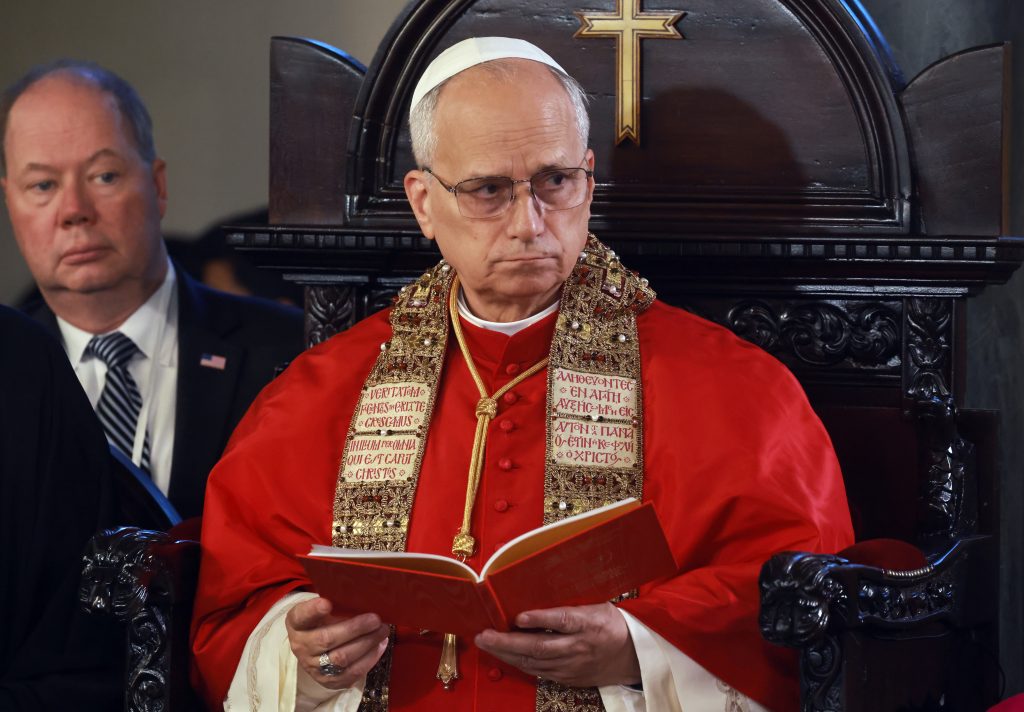
Pope Leo leaves liturgy off agenda for June consistory
Pope Leo XIV will ask the world’s cardinals to discuss war, peace and the future of the Synod on Synodality at an Extraordinary Consistory on 26 and 27 June. The agenda includes the international situation and Magnifica Humanitas, but makes no provision for discussion of the liturgy Pope Leo has decided not to include the liturgy in the agenda for the upcoming June consistory. The pontiff will instead ask the world’s cardinals to discuss war, peace and the future of the Synod on Synodality when they gather in Rome later this month for an Extraordinary Consistory. Details of the agenda emerged after a letter sent to cardinals by Cardinal Giovanni Battista Re, Dean of the College of Cardinals, was published by the Italian blog Messa in Latino. According to Diane Montagna, the meeting, which will take place on 26 and 27 June, will focus on the international situation, Pope Leo’s encyclical Magnifica Humanitas and the implementation of the Synod on Synodality. Cardinal Re said the gathering was intended to provide “a space for mutual listening, discernment, and shared reflection on certain matters of importance for the life and mission of the Church at the present time”. He wrote that Pope Leo wished “to draw upon the experience and counsel of the members of the College of Cardinals” and to count on “the active assistance and support of each one in the various places and responsibilities in which he serves the Church”. The first session will be dedicated to the situation facing the Church and the world. Cardinals will be invited to reflect on “what sufferings, tensions, and questions are today affecting with greatest force the peoples and ecclesial communities entrusted to your care” and to identify “signs of hope, fidelity to the Gospel and possible reconciliation” that should be brought before the College and the Pope. Two sessions will then be devoted to Magnifica Humanitas , Pope Leo’s first encyclical. One discussion will centre on Chapter Five of the document, titled The Culture of Power and the Civilisation of Love , with particular attention given to questions of war and peace. Cardinal Re noted that the encyclical teaches that “peace is not simply one issue among others, but a prerequisite for the universal common good and a test of the moral maturity of peoples”. The cardinals will be asked to consider how best to reaffirm the encyclical’s assertion “that the ‘just war’ theory, which has all too often been used to justify any kind of war, is now outdated”, and to discuss “what concrete paths might help peoples and Christian communities to safeguard and build peace”. A further session will examine the encyclical’s call to interpret contemporary social and cultural changes in the light of the Gospel and to direct the search for happiness and fulfilment towards what the document describes as integral human development. The final working session will focus on the next stage of the Synod on Synodality, the worldwide consultation process launched under Pope Francis. Cardinals will receive an update on preparations for the assemblies planned for 2027 and 2028 following the publication of the document Toward the Assemblies 2027–2028: Stages, Criteria, and Tools for Preparation . The update will be followed by a period of open discussion with Pope Leo. According to Cardinal Re’s letter, interventions from members of the College will be limited to three minutes each. The consistory will conclude on 29 June, the Solemnity of Saints Peter and Paul, when Pope Leo celebrates Mass in St Peter’s Basilica and imposes the pallium on newly appointed metropolitan archbishops.
Jun. 4, 2026
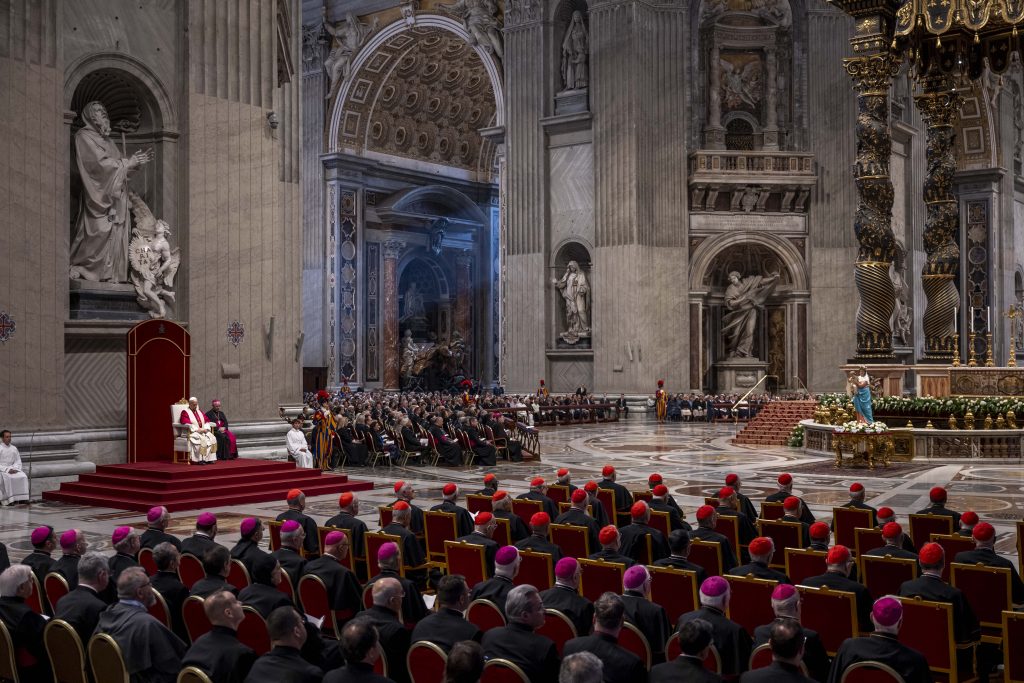
Vatican confirms global synodal assemblies ahead of Rome gathering in 2028
The Vatican has confirmed that dioceses across the world will spend the next two years preparing for a major “Ecclesial Assembly” in Rome in 2028 as part of the next phase of the Synod on Synodality The Vatican has unveiled a detailed timetable for the next phase of the Synod on Synodality, confirming that dioceses across the world will spend the next two years preparing for a major ecclesial assembly in Rome in October 2028. Entitled Towards the Assemblies 2027-2028 , the text presents the next stage of synodality. The process will culminate in what the Vatican is calling an “Ecclesial Assembly”, distinct from a Synod of Bishops but intended to gather representatives from across the global Church for a final act of discernment in Rome. The document, published on May 20 by the General Secretariat of the Synod, sets out the “stages, criteria, and tools for preparation” that will guide local Churches through what Rome describes as the “implementation phase” of the synodal process launched by Pope Francis in 2021. Under the plan, dioceses, bishops’ conferences and continental episcopal bodies will each hold assemblies between 2027 and 2028 aimed at assessing how the Synod’s final document is being put into practice. The Vatican said the process would culminate in an Ecclesial Assembly in Rome “together with the Holy Father”. The text divides the process into four stages titled “Recollecting”, “Interpreting”, “Orienting” and “Celebrating”. The first phase, scheduled for the first half of 2027, will involve diocesan and eparchial assemblies intended to evaluate the reception of the Synod’s final document at local level. Bishops will oversee the preparation of narrative reports describing “what concrete form of a missionary synodal Church and what new paths of synodality are emerging” within their communities. Dioceses will also prepare letters addressed to other Churches highlighting what the Vatican described as “the principal fruits that have emerged in the process of implementing the synod”. National and regional bishops’ conferences will then gather during the second half of 2027 to prepare theological-pastoral reports before continental assemblies take place during the opening months of 2028. Those continental meetings will produce “perspective reports” that will contribute to the drafting of the instrumentum laboris , or working document, for the Rome assembly. The final stage will take place in October 2028 at the Vatican. Although officials have repeatedly insisted the gathering will not constitute another Synod of Bishops, the new document states that the assembly’s conclusions will be “offered to the Holy Father as the fruit of the process of discernment”. The text places strong emphasis on papal oversight throughout the process, concluding that the entire journey will take place “under the guidance of the Holy Father”. The publication provides the clearest indication yet that Pope Leo XIV intends to continue the synodal project initiated by his predecessor. Since his election, the Pope has repeatedly referred to synodality as a defining characteristic of ecclesial life, describing it as “a style of cooperation” and an exercise in listening. The Vatican stressed that the implementation phase was not intended to reopen the consultation process that began in 2021, but rather to assess what has already been achieved since the Synod’s conclusion. “It is not a matter of repeating the Synod consultation, nor of adding further tasks to the ordinary life of communities,” the document states, “but rather of rereading what has already been experienced, recognizing its fruits and difficulties.” Cardinal Mario Grech, Secretary General of the Synod, said the assemblies were intended to be “a profound ecclesial and spiritual experience of discernment”. “What we are proposing to the local Churches is not an additional task, but rather a time of shared discernment and thanksgiving, in which to reread together what the Spirit is causing to grow in the Church and to recognize the steps we are called to take,” His Eminence said. The document also calls for broad participation within the assemblies themselves. It says organisers should ensure “balance between men and women and among different generations”, while also involving priests, deacons, Religious, members of ecclesial movements and “persons living in situations of fragility or marginality”. It adds that “particular care should be devoted to the involvement of parish priests”. Representatives of other Christian communities and religions may also take part “where appropriate”. Responsibility for organising the assemblies will rest with diocesan bishops at local level, presidents of bishops’ conferences nationally, and the heads of continental ecclesial bodies at regional level. The Vatican further encouraged organisers to continue using “conversation in the Spirit”, the discussion method strongly promoted during the Synod assemblies in Rome in 2023 and 2024. The implementation phase formally began after the late Pope Francis approved the Synod’s final document last year and handed it directly to the Church without issuing a separate post-synodal apostolic exhortation. Before his death, Francis repeatedly described synodality as irreversible and insisted the process marked a new way of governing and listening within the Church. Materials produced during each stage will be submitted to the Synod Secretariat according to a fixed timetable. Diocesan reports must be completed by June 30, 2027, bishops’ conference reports by December 31, 2027, and continental reports by April 30, 2028 ahead of the final assembly in Rome.
May 21, 2026
Cardinal Grech speaks on the Synodal Path and the Vatican’s Synod on Synodality
Cardinal Mario Grech has addressed the Synodal Path and the Vatican’s Synod on Synodality during a discussion at the Katholikentag in Germany Cardinal Mario Grech has said that Germany’s Synodal Path and the Vatican’s Synod on Synodality are guided by “the same protagonist: the Holy Spirit”. Speaking at the Katholikentag on May 17, the Secretary General of the Synod of Bishops rejected the idea that synodality was rooted in parliamentary manoeuvring or majority rule, insisting instead that it was a process of discernment guided by the Holy Spirit. “The Holy Spirit does not create a sum of opinions, but harmony, a symphony,” Cardinal Grech said, according to Katholisch.de. His Eminence said synodality should be understood as a “symphony of communion” and stressed the relationship between local Churches and the universal Church. “There is neither a universal Church without local Churches nor a local Church without the universal Church,” His Eminence said. According to Katholisch.de, the remarks came during a public discussion in which theology student Finja Miriam Weber, a member of the German Synodal Assembly, questioned Cardinal Grech’s comparison of the Church to a symphony orchestra. Weber asked who decides “who is allowed to play which instrument”, adding that women are barred from certain positions in the Church “simply because she is female”. Cardinal Grech replied: “Jesus composes the symphony and the Holy Spirit conducts.” According to reports from the event, the exchange was cut short when the moderator ended the discussion before it could continue further. Katholisch.de later reported that Cardinal Grech approached Weber afterwards and told her: “We need people like you.” The intervention is likely to attract attention because Cardinal Grech became one of the leading figures behind the late Pope Francis’s push for synodality. The Maltese prelate was appointed Pro-Secretary General of the Synod of Bishops by Pope Francis in October 2019, succeeding Cardinal Lorenzo Baldisseri the following year. During that period, Cardinal Grech participated in the Synod of Bishops for the Pan-Amazon region and served on the commission responsible for drafting the synod’s final document. In one of his first interviews after his appointment, Cardinal Grech spoke of a Church developing “a greater feminine face that would also mirror Mary’s face”. During the Covid-19 pandemic in 2020, the cardinal also drew controversy after criticising what he described as an overreliance on sacramental life among Catholics unable to attend Mass during lockdown restrictions. “It is of concern that someone feels lost outside of the Eucharistic or worship context, for it shows an ignorance of other ways of engaging with the mystery,” Cardinal Grech said at the time. Pope Francis created Cardinal Grech a cardinal in November 2020, assigning him the Roman deaconry of Santi Cosma e Damiano. He has since been appointed to a number of Vatican bodies, including the Dicastery for Bishops and the Supreme Tribunal of the Apostolic Signatura. In recent years Cardinal Grech has repeatedly defended synodality as a model for the future life of the Church. In a 2024 interview, His Eminence said synodality could help the Church move from “uniformity of thought” towards “unity in difference”.
May 20, 2026
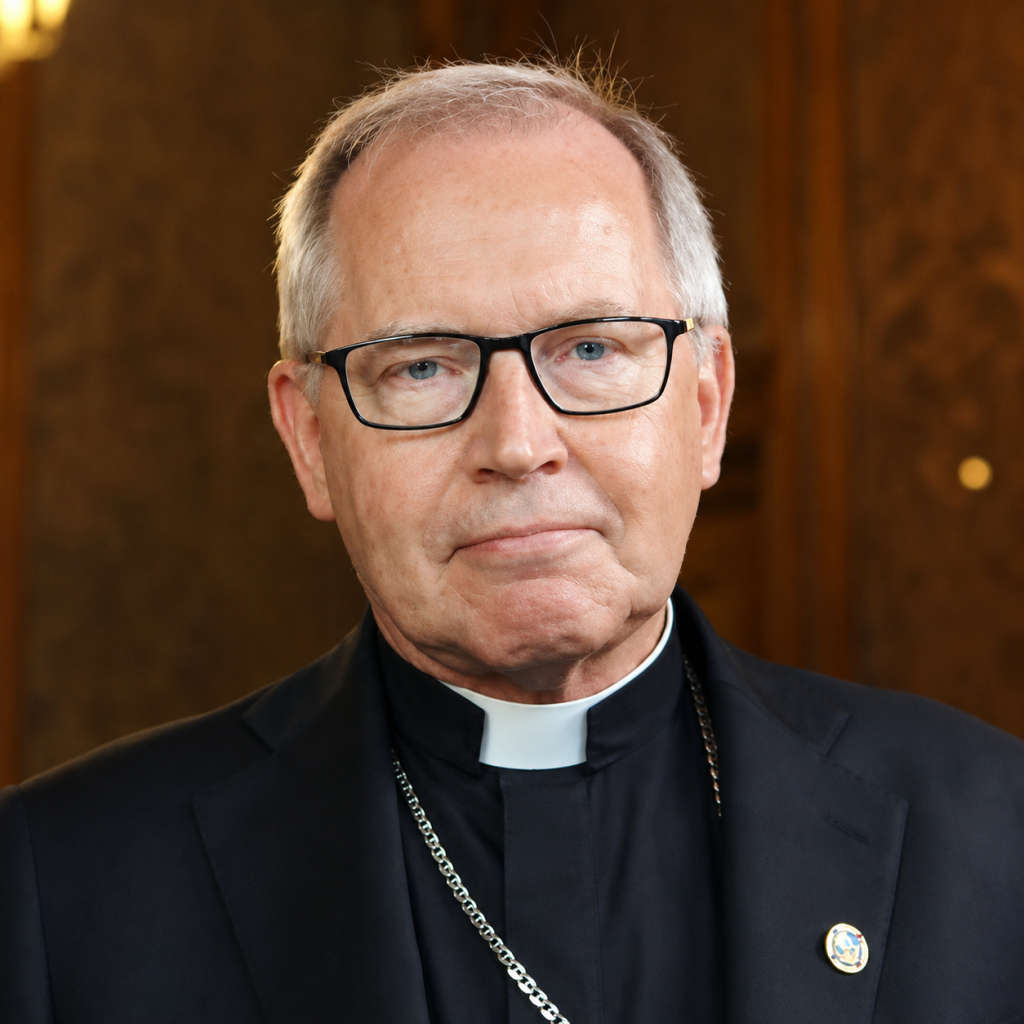
Cardinal Eijk warns Vatican synod report ‘must be forcefully refuted’
Cardinal Willem Jacobus Eijk has issued one of the strongest episcopal critiques yet of the Synod on Synodality Cardinal Willem Jacobus Eijk has issued one of the strongest episcopal interventions yet against the Synod on Synodality’s treatment of moral theology. The Dutch Cardinal has warned that the final report of Study Group 9 risks undermining settled Catholic teaching on sexuality and the nature of moral truth itself. Writing in the National Catholic Register , Cardinal Eijk said the report “fundamentally contradicts Catholic moral teaching and thoroughly undermines its application to moral conduct”, adding that the document “must be forcefully refuted”. The report at the centre of the controversy, entitled Theological Criteria and Synod Methodologies for Shared Discernment of Emerging Doctrinal, Pastoral, and Ethical Issues , was produced by one of 10 study groups established by Pope Francis in February 2024 after the Synod assemblies concluded that insufficient time remained to address several contentious themes before the final Vatican gathering later that year. Study Group 9 had been tasked with examining doctrinal and ethical questions initially described as “controversial”. The report later explained that the phrase had been replaced with “emerging issues” as part of what it called an “authentic paradigm shift” inspired by the reforms of the Second Vatican Council. Particular controversy has surrounded the inclusion of testimonies from two men in same-sex “civil marriages”. One contributor from Portugal described building “a life of shared faith and service with my husband”, while another American witness wrote that his sexuality “isn’t a perversion, disorder, or cross; it’s a gift from God. I have a happy, healthy marriage and am flourishing as an openly gay Catholic”. The report stated that one testimony “bears witness to the discovery that sin, at its root, does not consist in the (same-sex) couple relationship, but in a lack of faith in a God who desires our fulfilment”. Cardinal Eijk said the authors reproduced the statement “without correction or clarification”. “Homosexual acts are intrinsically evil – this is settled Catholic doctrine,” Cardinal Eijk wrote. “A believing Christian who engages in such acts certainly falls short in faith, insofar as he fails to trust in God’s grace, which enables him to avoid sin. But this does not mean the sin lies primarily in lack of faith rather than in the act itself, as the witness suggests.” His Eminence also criticised the report’s treatment of Courage International, the apostolate founded in New York in 1980 to help Catholics with same-sex attraction live according to Church teaching. The American testimony portrayed Courage negatively, suggesting that it “separates faith and sexuality” and associated it with conversion therapy. Cardinal Eijk argued that by presenting such testimonies without doctrinal response, the report effectively normalised homosexual relationships within a Church context. “This represents a clear attempt to weaken the proclamation of Catholic moral teaching,” Cardinal Eijk said. Much of Cardinal Eijk’s criticism focused not only on sexuality but on the report’s wider theological method. The study group rejected what it described as the “abstractly proclaiming and deductively applying principles that are set out in an immutable and rigid manner”, instead advocating what it termed a “fruitful tension” between doctrine and lived experience. The report also insisted that discernment should avoid “a problem-solving perspective” and should not presume “to deduce action from the simple application of norms”. Instead, local Churches were encouraged to prioritise listening and dialogue rather than “pre-packaged” doctrinal solutions. Cardinal Eijk said such language concealed “a radical departure from Catholic moral theology”. Referring to the report’s use of Christ’s words that “the Sabbath was made for humankind, and not humankind for the Sabbath”, His Eminence wrote: “This is a fundamental misreading of Scripture.” Cardinal Eijk argued that the report confused changeable ritual law with the permanent moral law rooted in creation. “The moral law concerning marriage and sexuality is of an entirely different character,” Cardinal Eijk wrote. “These norms flow from the natural law, which reflects God’s purposes in creating human beings, marriage and sexuality itself.” His Eminence then restated traditional Catholic teaching on marriage in classical terms, writing that “sexual differentiation and openness to life are essential elements” of marriage as a “mutual total self-giving between a man and a woman”. Cardinal Eijk added that “sexual acts between persons of the same sex cannot constitute such a total gift because they are closed to the transmission of life by their very nature”. Study Group 9 repeatedly insisted that its aim was not to produce “generalisable solutions” but to initiate “processes in the form of listening”. The report argued that moral understanding should emerge gradually through dialogue across cultures and local Churches rather than through the direct application of universal norms. For Cardinal Eijk, that approach strikes at the heart of Catholic moral teaching. “The Church’s teaching is not obscure, nor is it subject to revision through synodal processes,” Cardinal Eijk wrote. “It is the truth that sets us free.” His Eminence concluded by stating that “a number of cardinals and bishops will make their objections known to the Roman Magisterium.”
May 16, 2026