

The Vatican
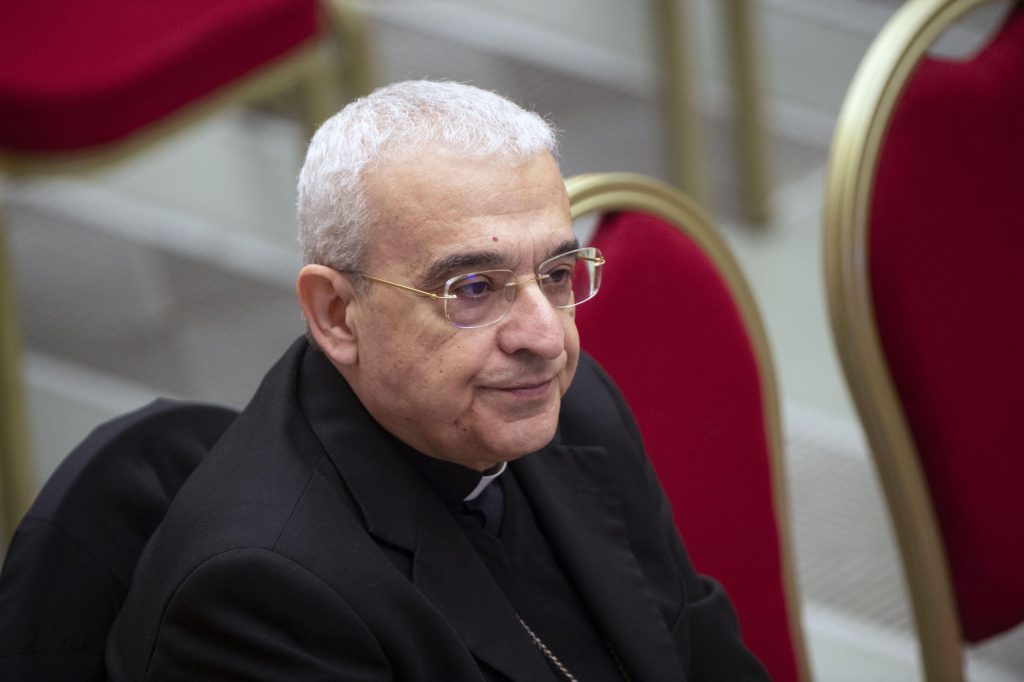
Archbishop Iannone says women bring “different sensitivities” to choosing bishops
Archbishop Filippo Iannone, Prefect of the Dicastery for Bishops, has defended the role of women in identifying episcopal candidates, saying their different approach and sensitivities are a valuable help in choosing future bishops Archbishop Filippo Iannone, Prefect of the Dicastery for Bishops, has said that women bring “different sensitivities” to the process of identifying future bishops. In an interview with the Croatian Catholic weekly Glas Koncila , the Carmelite prelate reflected on the changing demands placed upon bishops, the growing complexity of diocesan life and the work of the Vatican office responsible for recommending episcopal candidates to the Pope. Archbishop Iannone also defended the inclusion of lay people, including women, in the dicastery’s work, describing their contribution as both valuable and practical. Explaining the work of the Dicastery for Bishops, Archbishop Iannone said it is responsible for “all matters pertaining to the establishment, life, and activities of dioceses and the identification of candidates for the episcopate to be presented to the Pope for appointment, as well as the ministry of bishops in the dioceses”. He added that the dicastery works closely with other Vatican departments, noting that one of the defining characteristics of the Roman Curia under Praedicate Evangelium is “interdicasterial collaboration, or collaboration between the dicasteries”. The prefect explained that although “the authority of the Dicastery resides in the Plenary of its members”, its ordinary work is carried out by the prefect and secretary, assisted by officials and informed by the experience of Apostolic Nuncios. “The Dicastery for Bishops, like the others, avails itself of the collaboration of Apostolic Nuncios, who are well acquainted with the reality of the local Churches,” Archbishop Iannone said. Archbishop Iannone also pointed to one of the most significant changes introduced under Pope Francis: the broadening of membership within Vatican dicasteries. He noted that members “are not only bishops, but can also be priests, religious, and lay people”, adding: “And when we say lay people, we make no distinction between men and women.” Asked specifically about the presence of three women serving as members of the Dicastery for Bishops following their confirmation by Pope Leo XIV, Archbishop Iannone said their participation had already demonstrated its value. “I’ve only been presiding over this Dicastery for a few months, but I’ve personally had the opportunity to experience the contribution these women—two religious and one lay—offer to the work of the Dicastery,” Archbishop Iannone said. “It’s a highly appreciated and important contribution, because women also have a different way of approaching situations, of evaluating… they have different sensitivities, and this proves to be a great help for the type of work that must be done, namely, identifying candidates for the episcopate.” The prefect was careful to note that seeking the views of women is not an entirely new development. Long before women became members of the dicastery itself, Apostolic Nuncios were already expected to consult widely while gathering information on potential episcopal candidates. “I would like to emphasise, however, that consulting women is not entirely new,” Archbishop Iannone said. “Even nuncios, when conducting investigations to identify candidates for the office of bishop, do not and must not consult only bishops, but also involve other members of the people of God, obviously always respecting the pontifical secret.” Throughout the interview, Archbishop Iannone repeatedly returned to the responsibilities expected of bishops in the contemporary Church. The prefect described the bishop as a shepherd called to prayer, openness and pastoral leadership. Referring to Pope Leo XIV’s regular meetings with bishops, Archbishop Iannone said the Pontiff continually points to priorities such as evangelisation and care for creation, while also emphasising the spiritual foundations of episcopal ministry. “The figure, the essential model for the bishop, is always and at all times Christ the Good Shepherd,” Archbishop Iannone said. He argued that one of the defining qualities required of a bishop is the ability to foster unity within increasingly diverse diocesan communities. While acknowledging the variety of ecclesial movements and associations now active throughout the Church, Archbishop Iannone warned against groups becoming inward-looking or detached from the wider diocesan family. “The bishop is the father of the entire community,” the archbishop said, describing the capacity to encourage communion among different groups as “certainly one of the most important requirements for a candidate for the episcopal ministry”. The interview also addressed the relationship between the universal Church and the local Churches. Archbishop Iannone pointed to the teaching of the Second Vatican Council, which, he said, established that “the Universal Church is present in the particular Churches and comes from the particular Churches”. A particular Church, he explained, “can say it is a Church to the extent that it is in communion with the other Churches”, warning that “when it separates itself from this communion, it ceases to be the Church of Jesus Christ”. The prefect argued that this understanding allows genuine diversity while safeguarding unity. Referring to the principle traditionally attributed to St Augustine, Archbishop Iannone said: “In essential matters there must be unity; in matters that are debatable, freedom must be allowed; but in everything there must be charity.” He added that episcopal conferences today “have a much broader scope of activity than they enjoyed in previous years”. Archbishop Iannone also rejected attempts to interpret ecclesial governance through political categories. “Applying these categories, which belong to the world of politics, to the Church is misleading,” he said, arguing that “the Church has a different nature”. At the same time, the archbishop acknowledged that today’s faithful have “a greater awareness… of being protagonists in the life of the community”. Rather than presenting participation as a question of competing rights, Archbishop Iannone said the Second Vatican Council had reaffirmed that “every baptised person is responsible for the life of the Church and the apostolate”. He added that those entrusted with leadership through Holy Orders “must allow the faithful to exercise their responsibilities”, pointing to pastoral and finance councils and noting that, under the Code of Canon Law, “every believer has the right, indeed in some cases the duty, to inform the bishops of their own aspirations, to give guidance, and to suggest choices for the life of the community”. That theme returned in his reflections on synodality, which he insisted should never be reduced to claims for influence or power. “Synodality is not a demand, nor should it be understood as a demand,” Archbishop Iannone said. Rather, he argued, synodality requires every member of the Church to recognise responsibility for the life of the local Church rather than expecting the bishop alone to carry every burden. “It is not only the bishop who must bear the burden of the diocese,” he said. “All the faithful must feel burdened by this burden.” The interview also shed light on one of the practical challenges increasingly confronting the Vatican’s appointments process. Archbishop Iannone confirmed that some priests continue to decline episcopal appointments, not principally because of the abuse crisis but because of the growing weight of responsibility attached to the office. “I wouldn’t say it’s solely a consequence of the abuse issue,” Archbishop Iannone said. “I’d rather say that the responsibilities of a bishop have generally increased.” The archbishop pointed to the complexity of diocesan administration, the demands of supporting clergy and declining vocations as contributing factors that leave some priests feeling unprepared for episcopal ministry. “Life has become much more complex,” the Carmelite prelate observed, adding: “The fact that there are priests who don’t accept it is a fact.”
Jul. 17, 2026
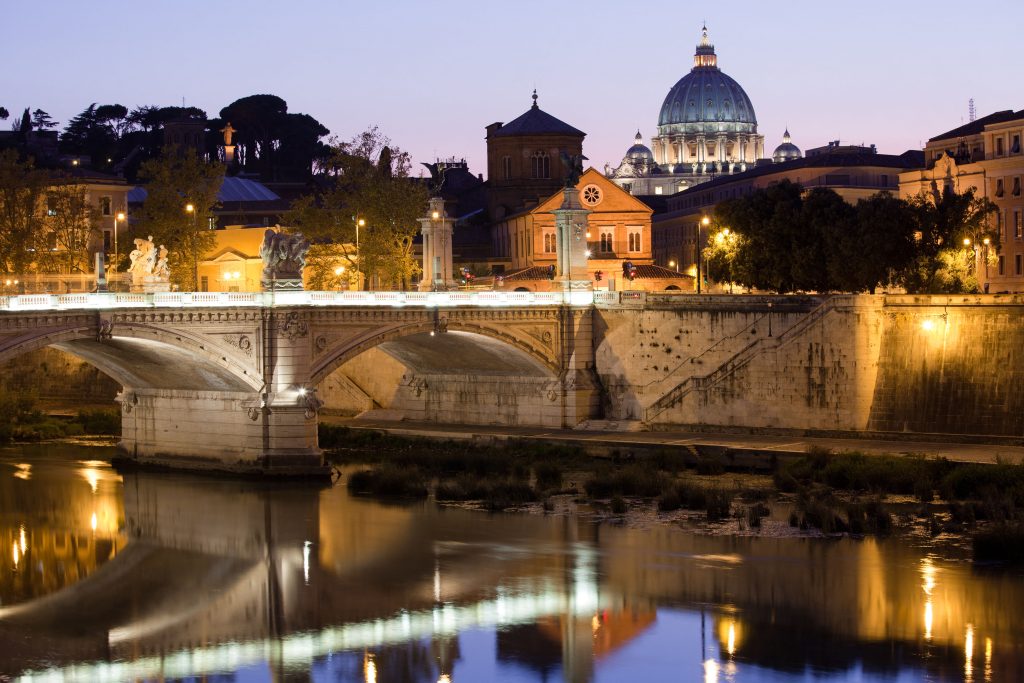
Vatican Bank appoints Giovanni Boscia as new director general
The Vatican Bank has appointed Giovanni Boscia as its next director general, promoting the current deputy director general following the retirement of Gian Franco Mammì after eleven years in the role. Boscia takes over at the Institute for the Works of Religion as the Holy See’s long-running programme of financial reform continues The Vatican Bank has selected one of its own senior executives as the next director general of the Institute for the Works of Religion (IOR). The IOR announced on 15 July that Giovanni Boscia, currently deputy director general, will take up the post on 1 October, succeeding Gian Franco Mammì, who is retiring after reaching the mandatory retirement age. Mammì, who has led the Institute since 2015, will remain in office until the end of September, bringing to a close an eleven-year tenure that encompassed one of the most significant periods of reform in the Vatican’s financial institutions. The appointment was approved by the Institute’s Board of Superintendence and the Supervisory Cardinals’ Commission. The Institute said the appointment reflects “a robust governance structure based on a clear distinction between the supervisory, governing, and management bodies, and designed to ensure transparency and stability”. Under the Institute’s governance model, the director general reports to the Board of Superintendence, which is itself overseen by the Commission of Cardinals. Alongside these governing bodies, the Institute is assisted by an on-site prelate, currently Msgr Battista Mario Salvatore Ricca, whose role is to help ensure that the Institute’s administration remains faithful to Catholic ethical principles and the religious mission for which it exists. The director general is responsible for directing and overseeing the Institute’s administration, organisation and personnel, making the position one of the most influential within the Holy See’s financial structures. Announcing the transition, outgoing director general Gian Franco Mammì reflected on the changes implemented during his years in office. “Since 2015, in close collaboration with the other governing bodies, I have led the IOR through an intense and challenging process of renewal and compliance with international financial sector regulations, while upholding the ‘unique’ mission that distinguishes it and consistently documenting the results in the Institute’s annual reports,” Mammì said. Mammì stated that the Institute had emerged from a demanding period in a considerably stronger position. “I leave my successor a solid, transparent Institute that is fully recognized internationally, the result of the expertise of the men and women who work there, their dedication, and their quiet commitment, which does not seek the limelight but constitutes the Institute’s most authentic strength,” Mammì said. Expressing gratitude for the confidence placed in him by Pope Francis when he assumed office, Mammì added that he handed responsibility to Boscia “with unity, prudence, and vision, in fidelity to the Institute’s mission”. The appointment also received the backing of François Pauly, president of the Board of Superintendence, who praised Mammì’s contribution to the Institute’s development. “On behalf of the Board of Superintendence, I wish to express our deep gratitude to Gian Franco Mammì for his eleven years of service to the Institute, carried out with dedication, a sense of responsibility, and constant attention to the IOR’s mission,” Pauly said. Reflecting on the reforms undertaken during Mammì’s tenure, Pauly added, “Under his leadership, the Institute has grown, strengthened, navigated delicate transitions, and progressively consolidated its commitment to transparency, governance, controls, and compliance.” Turning to Boscia’s appointment, Pauly emphasised both continuity and experience. “The appointment of Giovanni Boscia, who has risen through the ranks within the Institute, reflects his in-depth knowledge of the IOR and his solid experience in international financial markets. We are confident that he will lead the Institute with rigour and a spirit of service, in full accordance with its mission in support of the Holy Father, the Holy See, and the Universal Church.” Boscia graduated with honours from Bocconi University before completing both a Master’s degree in Finance and an Executive MBA at London Business School. He also holds internationally recognised financial qualifications, including CFA, CAIA and FRM certifications. Boscia, 55, has steadily risen through the ranks since joining the Institute in 2019 as head of finance and chief financial officer. Before arriving at the Vatican, he built a three-decade career in London, working for major financial institutions including Salomon Brothers, Citigroup, Royal Bank of Scotland and Credit Suisse First Boston. The modern reform of the Institute for the Works of Religion began under Pope Benedict XVI and accelerated significantly after the election of Pope Francis in 2013. Benedict established the Vatican’s first anti-money laundering framework in 2010 and invited the Council of Europe’s MONEYVAL committee to evaluate the Holy See’s financial system against international standards. MONEYVAL’s first full assessment in 2012 identified important progress but also highlighted significant shortcomings in anti-money laundering controls and financial oversight, prompting a sustained programme of legislative and institutional reform. Subsequent progress reports recognised that the Holy See had strengthened its legal framework, expanded international cooperation and improved supervision of the IOR. After his election, Pope Francis made financial reform one of the defining administrative priorities of his pontificate. Rather than abolishing the IOR, an option reportedly considered early in his papacy, Francis chose to modernise it. The Institute underwent extensive customer reviews, strengthened compliance procedures, adopted international banking standards and increased transparency through regular audited annual reports. In 2019, Francis approved new statutes for the IOR, making external audits mandatory, reinforcing governance structures and introducing stricter rules on conflicts of interest and employee conduct. The reform process continued throughout Francis’s pontificate. In 2022, a papal rescript required the Holy See’s dicasteries and institutions to transfer their liquid assets to the IOR, making the Institute the exclusive manager of the Holy See’s movable financial assets in an effort to centralise oversight and improve accountability. This was followed in 2023 by revised statutes aligning the IOR with the Apostolic Constitution Praedicate Evangelium . The new statutes simplified the Institute’s governance by placing executive authority in a single director general, clarified the responsibilities of the Board of Superintendence, and introduced tighter rules on appointments, mandates and conflicts of interest.
Jul. 16, 2026
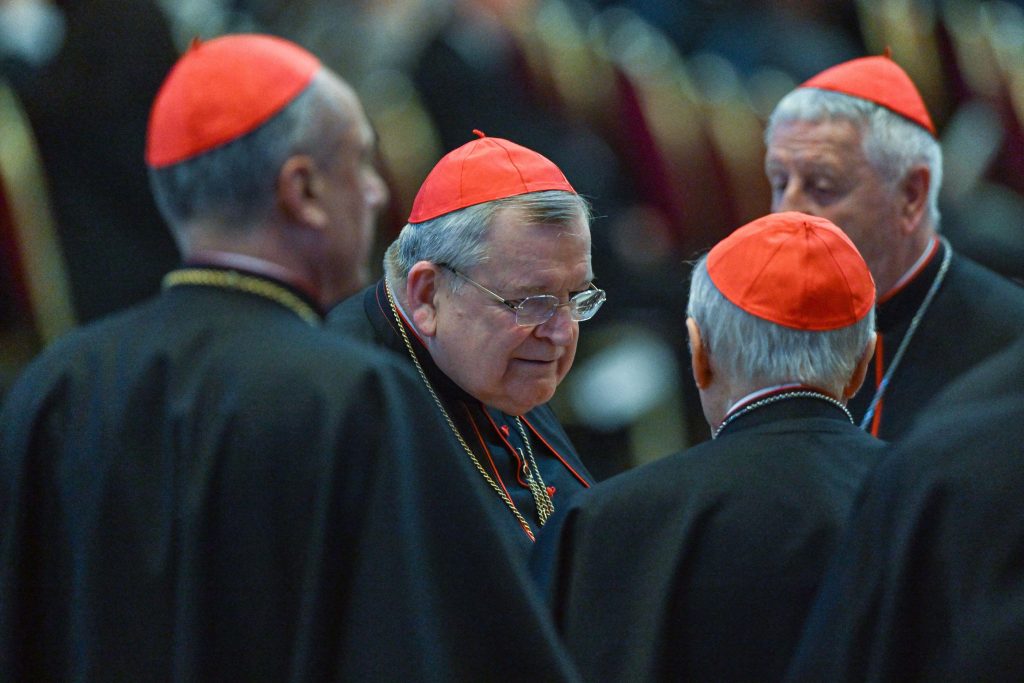
“The process has to be stopped” Cardinal Burke on synodality
In an interview with The College of Cardinals Report, Cardinal Raymond Burke calls for the Synod on Synodality to be stopped and completely reoriented. He also comments on Study Group 9, the SSPX and the future of the Traditional Latin Mass Cardinal Raymond Burke has called for synodality to be stopped. Speaking in an interview with The College of Cardinals Report on 28 June, the day after the close of the Extraordinary Consistory, the 78-year-old Cardinal said that there “is no history of synodality” in the Church. He further insisted that “this whole synodality business be stopped” and that “a very serious study be done on the whole matter” because “we are talking about the salvation of souls.” When asked about a Cardinal who had spoken out against synodality, Cardinal Burke said there was “more than one”. He said the crux of the criticism was that “in all the documents that come out, there is no definition of synodality”. In response to these criticisms, Cardinal Burke said that one Cardinal at the consistory remarked, “You know it by doing it”, which he described as “irrational” and “not the Catholic Faith”. He also warned that synodality carried the danger of “conforming to the world”. He said that those arguing in favour of the approach consistently spoke of a “change in paradigm”, to which the Cardinal responded that the Church does not undergo paradigm shifts because it is “one, holy, Catholic and apostolic”. He acknowledged that, whilst synodality may have good motives in its desire to address the problems of the world, “it is fundamentally flawed” because it neglects the Church’s tradition by failing to give proper emphasis to how “the Church in the past has addressed the world and the situation of the world”. When asked about his own participation at the consistory, Cardinal Burke said he had used his intervention to address the controversy surrounding Synod Study Group 9, one of the ten study groups established by Pope Francis in March 2024 as part of the implementation phase of the Synod on Synodality. The group was tasked with listening to controversial doctrinal, pastoral and ethical questions, but was criticised for appearing to air views that deviated from Church teaching, particularly through testimonies criticising Courage International, an apostolate for Catholics who experience same-sex attraction and seek to live chaste lives. Cardinal Burke said the group had “calumniated Courage, this great apostolate founded by Cardinal Cooke”. He continued: “I’ve known Courage since the 1980s,” adding that the report “accuses Courage of something that I know is false”. He further defended the apostolate, saying: “Courage is a… wonderful apostolate that helps people who suffer from these attractions to live a chaste life.” He described the decision to send Study Group 9’s report to dioceses as “iniquitous”. Recalling his intervention at the consistory, he said he had told the Cardinals that the “process must be stopped” and “completely reoriented”. Cardinal Burke also addressed Cardinal Mario Grech’s use of the final session of the consistory to tell Cardinals that the implementation of synodality represents “a new stage in the reception of the Second Vatican Council”. He said that whilst “some spoke enthusiastically about what he was saying”, others raised “very serious questions”. His Eminence also questioned the omission of the Sacred Liturgy from the agenda of the consistory when “we had this whole crisis brewing” with the Society of Saint Pius X. Referring to the Pontifical Commission Ecclesia Dei , founded in the wake of the 1988 Écône consecrations, he said there was a need for a modern-day equivalent to help those “who do not want to be associated with a schismatic act” to be received into full communion with the Church while continuing to attend the older form of the Roman Rite. He said such a commission would assure the faithful that this form of worship is “guaranteed” to them. Cardinal Burke’s comments are not unexpected, as he is one of the most forthright conservative voices within the Church. What is perhaps surprising, however, is the directness and openness with which they are expressed. The American prelate has openly called for a process that has received a great deal of the Vatican’s time and energy in recent years to be halted. He has also called for a pragmatic approach to the question of the Society of Saint Pius X and suggested a way forward linked to the Traditional Latin Mass. This pithy and realistic manifesto for traditionalist aspirations stands in contrast to the more open-ended proposals of the liberal wing. That approach often speaks in broad terms about listening and adapting or, as in the case of the German Synodal Way, seeks to advance policies that the Church could never promulgate without risking large-scale schism. Whether Cardinal Burke’s comments will result in concrete action remains to be seen, but they provide an erudite and clear explanation of the changes the conservative wing of the Church would like to see.
Jul. 16, 2026
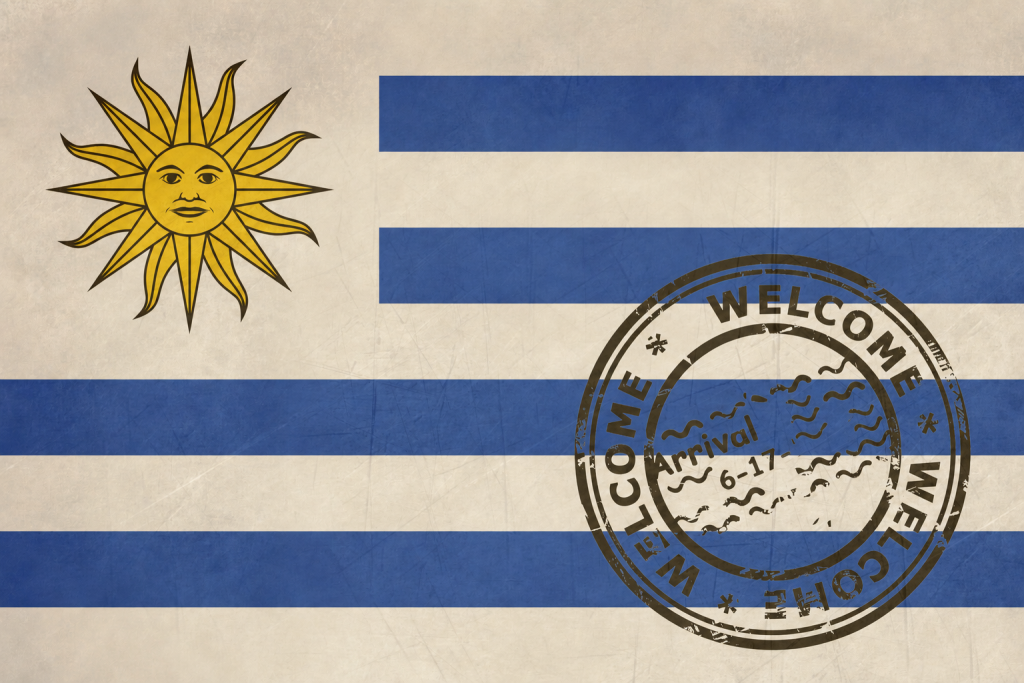
Pope Leo XIV expected to begin first Latin America tour in Uruguay this November
Pope Leo XIV is expected to make his first visit to Latin America this November, with Uruguay likely to be the first stop on a tour that AdVaticanum understands will also include Argentina and Peru. Preparations are already underway and Vatican officials are visiting key sites ahead of the expected announcement later this month Pope Leo XIV is expected to make his first visit to Latin America in November, with Uruguay set to become one of the destinations on a tour that is also expected to include Argentina and Peru. Although the Holy See Press Office has yet to publish the official itinerary, Cardinal Daniel Sturla, Archbishop of Montevideo, has said preparations are already underway and expressed confidence that the visit will take place. He described the visit as a moment of great significance for the Church in Uruguay after decades without a papal visit. Speaking at a press conference at the headquarters of the Uruguayan Episcopal Conference, Cardinal Sturla announced that Vatican officials had arrived in the country to continue preparations for the anticipated journey. Although the Cardinal stressed that the final dates and programme remain subject to confirmation by the Holy See, with an announcement expected at the end of July, he said the visit would be in November as part of what will be Leo XIV’s first visit to the Americas since his election in May 2025. The Cardinal revealed that he had personally extended an invitation to the newly elected Pope only days after the beginning of his pontificate. Recalling their first meeting, Cardinal Sturla said he told Leo: “Holy Father, we are waiting for you. We come from Uruguay. Remember that Francis did not visit Uruguay or Argentina, so we are waiting for you.” Those remarks alluded to the long-standing disappointment felt by many Catholics in both Uruguay and neighbouring Argentina that Pope Francis never returned to either country during his pontificate, despite repeated speculation that such a journey would eventually take place. Leo XIV’s anticipated visit would represent the first papal visit to Uruguay since St John Paul II travelled there in 1988. Although no official programme has yet been released, Cardinal Sturla indicated that Montevideo is expected to feature prominently on the itinerary, while a possible visit to Paysandú, in the north of the country, remains under consideration. “Our desire is to be the first ones visited,” His Eminence said, adding that “there are many signs” suggesting Uruguay will open the South American tour. Nevertheless, the Cardinal cautioned against assuming details that have not yet been formally confirmed. “The idea is for him to go to a department in the north; it might be Paysandú, but since it’s not confirmed, we shouldn’t raise false expectations.” Among the principal events under discussion is a Mass at the National Shrine of the Virgin of the Thirty-Three in Florida on 8 November, coinciding with the feast of Uruguay’s patroness. Cardinal Sturla expressed the hope that Pope Leo would preside over the celebration, describing such a possibility as “a tremendous gift for the Virgin and for all of us who can celebrate Holy Mass with the Pope there.” Preparatory work has already extended beyond logistical planning. According to the Cardinal, Vatican representatives have visited Montevideo, Florida and Paysandú to assess venues and organise the practical arrangements required for the papal visit. Particular attention has also been given to Casavalle, one of the most disadvantaged areas of Montevideo, where the Catholic Church has long been involved in extensive charitable and pastoral work. Cardinal Sturla said it was important that the Holy Father should witness those initiatives first-hand and have the opportunity to meet those who benefit from them. Alongside the pastoral programme, Pope Leo is also expected to meet President Yamandú Orsi, who personally presented the invitation to visit Uruguay during a meeting at the Vatican. However, Cardinal Sturla indicated that no address to the Uruguayan Parliament is expected as the Vatican generally avoids institutional events that could become politically contentious. “The Pope is a unifying factor, and if something provokes controversy, he will surely not speak in Parliament,” he said. . Also participating in the press conference was communications consultant Yago de la Cierva, who coordinated Pope Leo XIV’s recent visit to Spain. He urged those beginning preparations to prepare well in advance. “What I am here to tell you is that you have no idea what is coming your way,” he warned those who will prepare the Uruguay papal visit. Unlike the Pope’s recent visit to Spain, which focused on a single country, the forthcoming apostolic journey is expected to mirror the structure of his African tour by encompassing several nations in one regional visit. While attention has understandably centred on Uruguay following Cardinal Daniel Sturla’s announcement, AdVaticanum understands that the November journey has been conceived as a wider South American tour that will also include Peru and Argentina. Elements of the Peruvian itinerary have already begun to emerge, while preparations are advancing across all three countries ahead of the Holy See’s formal announcement, expected later this month.
Jul. 15, 2026
Vatican launches healthcare initiative for missionaries and religious outside insurance system
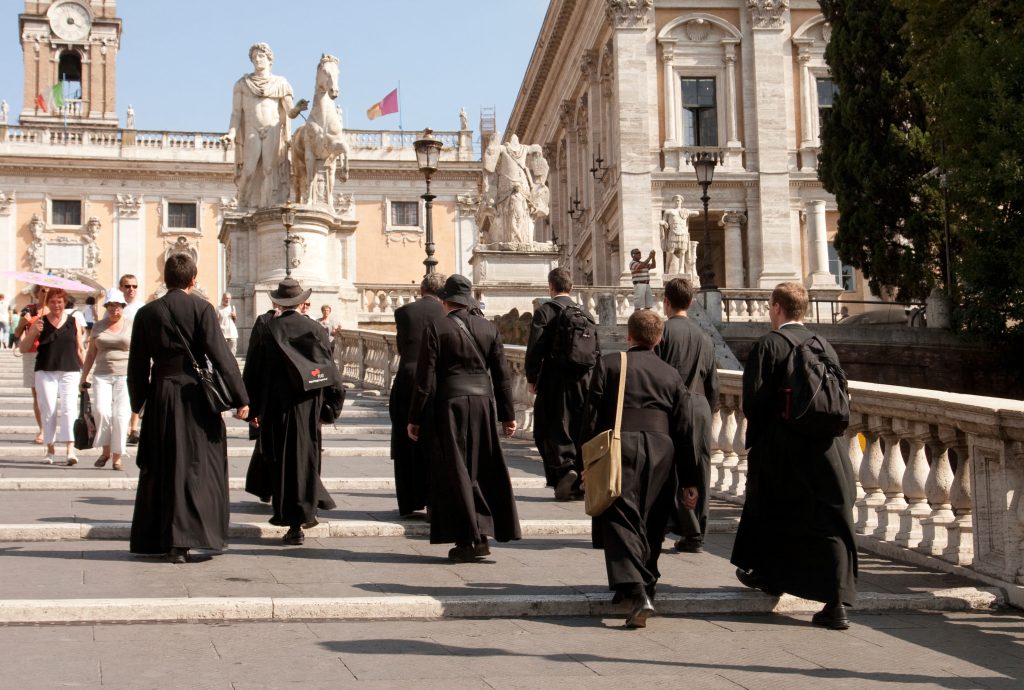
Not all consecrated religious and missionaries are covered by the Vatican’s internal health insurance. A new initiative aims to change that, creating a dedicated healthcare framework built around solidarity rather than employment status The Vatican has launched a new initiative aimed at expanding access to healthcare for consecrated men and women, missionaries and other Church personnel who fall outside the scope of its existing health insurance system. An agreement signed on 13 July between the Governorate of Vatican City State, RBHold S.p.A. and the Futuro Salute ETS Foundation establishes what the Vatican described as a project of “ethical and social value” intended to study, develop and implement a sustainable model of healthcare for categories of people who are either not enrolled in, or are ineligible for, the Vatican’s Health Insurance Fund. The agreement was signed at the Governorate Palace by Sr Raffaella Petrini, President of the Governorate of Vatican City State, together with Roberto Favaretto, President of RBHold S.p.A., and Marco Favaretto, Managing Director of the Futuro Salute ETS Foundation. Rather than creating an immediate replacement for the Vatican’s existing healthcare arrangements, the project seeks to establish a long-term organisational and financial framework capable of supporting prevention, medical treatment and assistance for those who have traditionally remained outside the reach of the Holy See’s internal healthcare structures. Announcing the initiative, the Governorate said the project aims to “promote access to prevention and treatment pathways through a dedicated organisational and economic model”. It added that the initiative would be developed according to “an economic and financial model based on the principles of mutual solidarity and sustainability, excluding any individual profit-making purpose”. The Governorate also stressed that “the resources committed will be used to support and develop the solidarity objectives that constitute its mission”, adding that the project would be built around a “sustainable medium- and long-term economic model”. Under the terms of the agreement, responsibilities are divided between the three parties. The Governorate will identify those eligible to benefit from the programme while overseeing clinical governance through its Directorate of Health and Hygiene, which will evaluate the appropriateness of treatments and coordinate healthcare pathways. RBHold will contribute its expertise in designing the organisational and financial architecture underpinning the initiative, drawing on its experience in supplementary welfare, healthcare administration, insurance services and pension management. Meanwhile, the Futuro Salute ETS Foundation will focus on promoting the project’s charitable dimension, supporting solidarity initiatives and securing the financial resources required to sustain the programme over the long term. There have long been limitations within the Vatican’s existing healthcare arrangements. Medical coverage for those connected with the Holy See has traditionally centred on the Fondo di Assistenza Sanitaria (FAS), the Vatican’s internal Health Insurance Fund, which primarily serves Vatican employees, residents and other eligible personnel directly linked to the Holy See’s institutions. However, many consecrated religious and missionaries have never fallen within those eligibility criteria. Members of religious institutes often belong to communities that are legally and financially independent of Vatican employment structures, while missionaries frequently serve in countries where access to stable healthcare can be unpredictable and where they rely largely on the resources of their religious communities or local healthcare systems. Although religious orders have historically sought to care for their members through their own networks and charitable support, access to preventive medicine, specialist treatment and long-term care has often varied considerably depending on location and financial resources. The new agreement establishes a dedicated framework specifically tailored to these groups rather than attempting to extend the existing Health Insurance Fund itself. RBHold is an Italian holding company with extensive experience in supplementary welfare systems, healthcare administration and insurance management. Through subsidiaries specialising in healthcare claims administration and technological services, the group has developed expertise in managing large-scale healthcare programmes and welfare systems. The Futuro Salute ETS Foundation, by contrast, is a non-profit organisation dedicated to developing new models of welfare and healthcare based on solidarity. The foundation has previously collaborated with the Vatican on healthcare initiatives, including supporting the Directorate of Health and Hygiene through the donation of ambulances in 2024. Although the agreement represents only the beginning of the initiative, it is an important development in the Governorate’s approach to welfare which will ensure that consecrated men and women, missionaries and other excluded groups are able to benefit from organised healthcare support through a system designed around their circumstances rather than their employment status.
Jul. 15, 2026
At Castel Gandolfo, Pope Leo XIV says Church must remain open to all
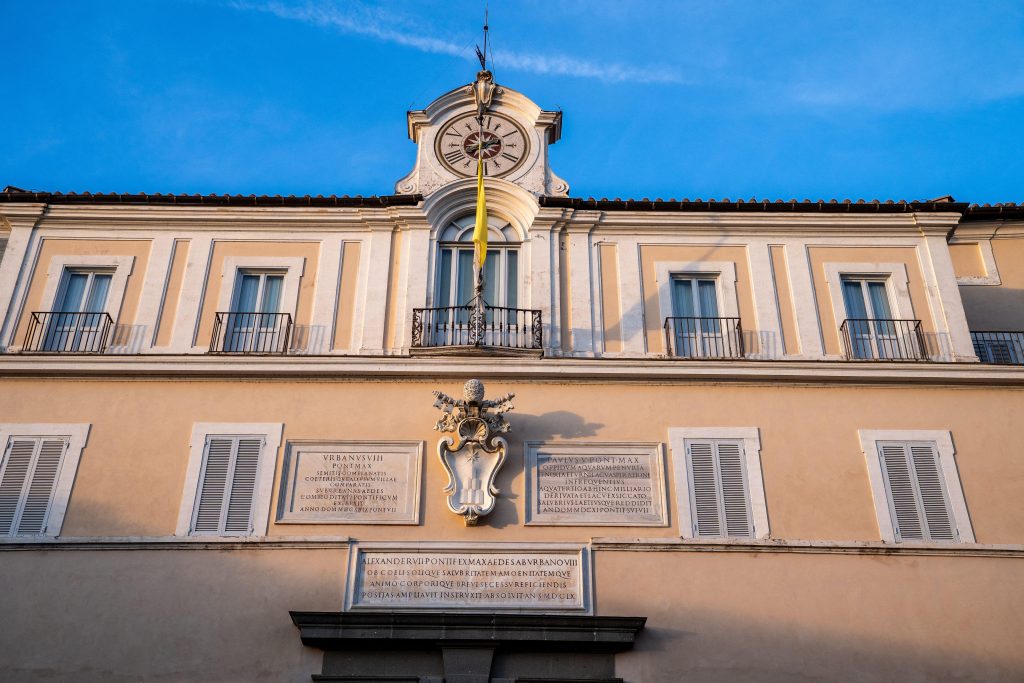
Pope Leo XIV has said the Catholic Church must remain open to everyone, especially those living on society’s margins, during a lunch with 200 poor and vulnerable people at Castel Gandolfo Pope Leo XIV used a lunch with 200 poor and vulnerable people at Castel Gandolfo on Saturday to outline his vision of a Church rooted in hospitality, justice and reconciliation, telling those gathered that the Catholic Church must remain open to all, particularly those living on society’s margins. Hosting the gathering in the Pontifical Gardens on 11 July, the Pope set aside prepared remarks in favour of an impromptu reflection centred on solidarity with those living on the margins of society. “I came without a prepared speech,” he told his guests, “but I did come with hunger—hunger for justice, hunger for genuine charity, hunger for a Church that truly knows how to open its doors, to welcome everyone; where there is love for all, and no one is an enemy, where all of us know how to live reconciliation, forgiveness, and peace.” The event brought together around 200 people from the Diocese of Rome living in situations of hardship, including nearly 40 children. Refugees, single mothers with children, people with disabilities and others supported by diocesan charities spent the day at Borgo Laudato Si’ in Castel Gandolfo, a section of the papal estate that has been transformed into a centre dedicated to the principles of Pope Francis’s 2015 encyclical Laudato si’ . The day began with Holy Mass before touring the papal estate and sharing lunch with the Pontiff. Guests were served traditional Italian dishes, including pasta all’amatriciana and roast veal, followed by strawberries with whipped cream. During his remarks, Pope Leo told those gathered: “As you know well, one of the Pope’s titles is Pontiff—a builder of bridges. And today we too want to build a bridge with all of you, with your families, and with the society in which we want to live—a society marked by justice, where the causes of poverty and the injustices that still exist in our world can be overcome.” “This is the Church we want to be,” His Holiness added. Returning repeatedly to the image of a shared table, the Pope suggested that such encounters offer a model for overcoming social divisions. “Whenever we come together, whenever we share this spirit of encounter around the same table—the one table where Jesus is also present among us—we are truly building a different world, a world of hope, a world that is a light in the midst of our own.” The initiative formed part of the Pope’s stay in Castel Gandolfo, where Borgo Laudato Si’ has become an increasingly prominent setting for projects linking ecological stewardship with social outreach. The programme combines care for creation with practical support for vulnerable communities through education, training and community initiatives. Ahead of the lunch, Donatella Parisi, Communications Coordinator of the Laudato Si’ Higher Education Centre, described the gathering as a visible expression of a Church open to those most often overlooked. She noted that the papal estate, long inaccessible to the public, has undergone a symbolic transformation in recent years. “This place is especially precious because it was closed to the world for 400 years, then opened by Pope Francis and today is thrown wide open by Pope Leo,” she said. “It is now welcoming these people, who for us are the guests of honour.” “The message is that the Church should always be open to everyone, especially those living on the existential peripheries,” she said, adding that Pope Leo “repeats this often”. She also linked the initiative to the Pope’s recent visit to Lampedusa, saying the event reaffirmed that “the Church is open to everyone and is a family, a community, and a safe harbour for those who need it most.” Rather than seeing those invited merely as recipients of charity, Parisi suggested they offer an important witness to the wider Church. “In reality, what we experience every day here at the Laudato Si’ Village is that these very people are the ones who give. They give their all and they enrich the Village and, I would even say, the whole Church through their presence and their call for a different way of looking at society—a perspective that points to fragility as a new source of strength for our communities.” The organisers hope the initiative will continue annually, welcoming participants from different dioceses each year. Last year’s gathering involved people from the Diocese of Albano, while this year’s guests came from Rome through diocesan charities and affiliated organisations. Holy Mass was celebrated by Cardinal Fabio Baggio, Director General of the Laudato Si’ Centre for Higher Education, and concelebrated by Archbishop Luis Marín de San Martín, Prefect of the Dicastery for the Service of Charity.
Jul. 14, 2026