The Vatican has announced the full plan for a major gathering on family life as Amoris Laetitia marks ten years, with discussions expected to include the pastoral accommodation of divorcees and cohabitation.
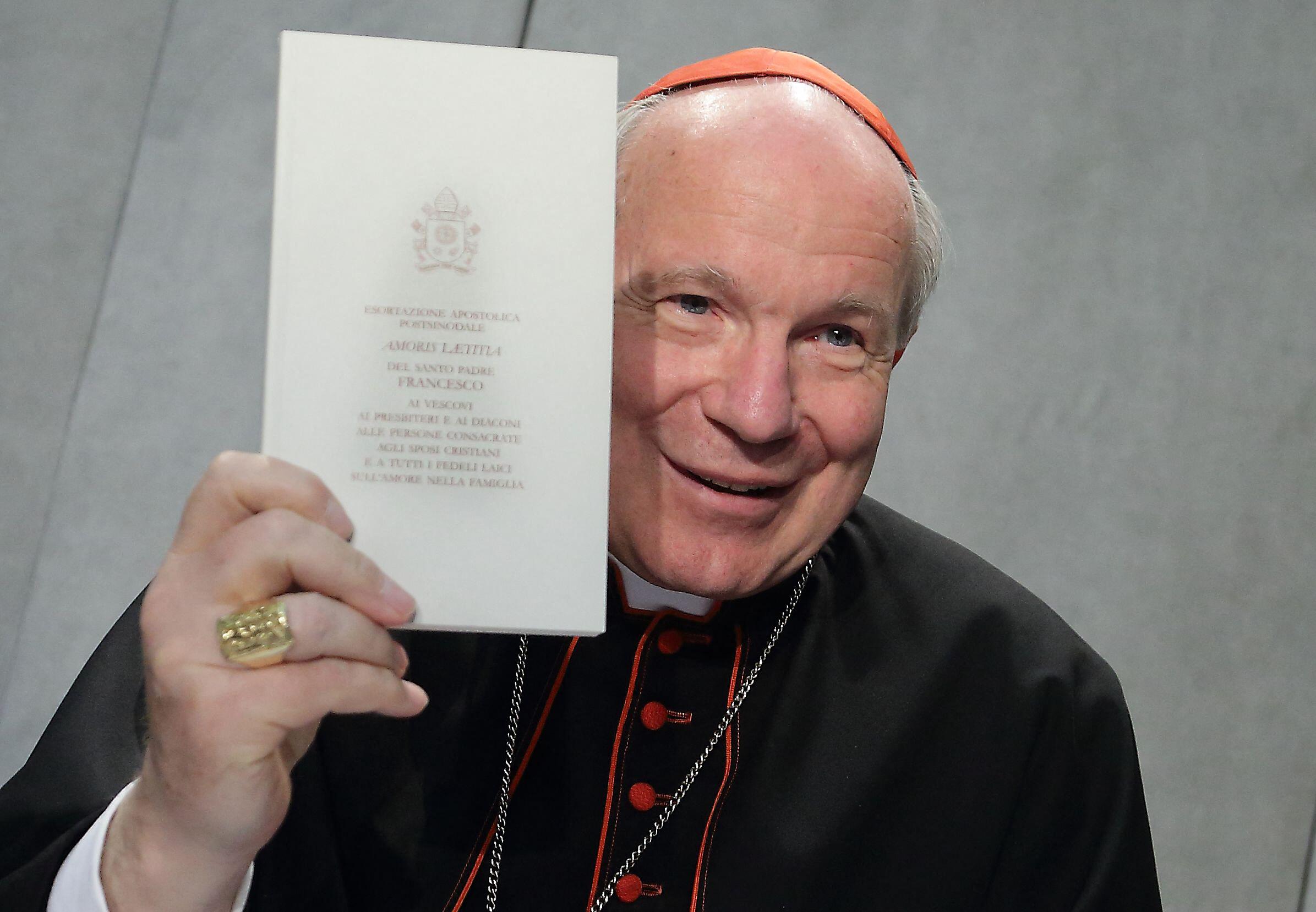
The Synod Office has released a preparatory document and five thematic areas for a significant Vatican meeting scheduled for October 2026. The event will be attended by the heads of the Eastern Catholic Churches and the presidents of bishops’ conferences from around the world. The event intends to be a time of synodal discernment on how the Church can better proclaim the Gospel to families today, building on the legacy of the 2016 apostolic exhortation Amoris Laetitia.
Announced initially by the Holy Father in a message marking the tenth anniversary of Amoris Laetitia on 19 March 2026, the meeting will take place in Rome from 7 October, feast of the Holy Rosary, to 14 October. Pope Leo has noted that it is indicative of the “profound changes that continue to affect families.”
A thematic framework, published jointly by the Dicastery for the Laity, Family and Life and the General Secretariat of the Synod, has now been sent to Church leaders and made public. It invites reflection both in preparation for and during the gathering, placing families not merely as recipients of pastoral care but as active participants in the Church’s mission.
“Their presence is essential,” Pope Leo XIV said at the conclusion of the recent Extraordinary Consistory on 27 June, referring to the inclusion of families who will share their lived experiences. He encouraged all participants to prepare by listening closely to families in their own Churches.
The five proposed thematic areas offer a structured yet open path for discernment. The first examines “Families today: reality, beauty and challenges”, urging the Church to discern the signs of the times through the concrete experiences of families and its own pastoral efforts. It calls for attentive listening to both the joys and fragilities of family life, including issues such as precarious employment, housing difficulties, illness, raising children, emotional loneliness, and caring for those with disabilities or the elderly.
The second theme, “Young people and the discovery of the vocation to marriage”, focuses on accompanying young people in a world where confidence in stable marital commitments has often weakened because of economic, social and cultural pressures. It asks how the Church can present the beauty of marriage through credible witnesses, educational pathways and support for emotional and relational growth, including for cohabiting couples discerning sacramental marriage.
Attention then turns to “Married life. The first years of marriage: a decisive time.” This highlights the critical early phase of married life, when couples navigate new responsibilities such as the birth of children and balancing work and family life. The framework stresses the need for renewed pastoral commitment to help spouses root their love in Christ, fostering mutual responsibility and exploring networks of family support within ecclesial communities.
A fourth area addresses “In the difficulties of life: accompanying and supporting”, directing care towards families facing relational, social or spiritual hardships. It emphasises revealing the beauty of the vocation to marriage even amid fragility, supporting those affected by poverty, violence, separation or divorce, and building communities where the merciful face of the Church is evident through proximity and accompaniment.
Finally, “Christian families as subjects of the Church’s mission” recognises conjugal and family love as a driving force for evangelisation. Drawing on the words of St Paul VI in Humanae Vitae, it recalls how married couples become apostles to others through their witness of enduring love and the transmission of the faith to new generations. The theme explores how families contribute to personal, ecclesial and social growth in a changing world.
This forthcoming meeting is not formally an Assembly of the Synod of Bishops, yet it will proceed in a distinctly synodal style. The preparatory document for the October 2026 meeting continues the pastoral approach characteristic of Amoris Laetitia, placing a strong emphasis on “listening” and “learning”, with particular attention given to families in situations of relational or spiritual difficulty.
It speaks of accompanying couples and families who have experienced “separation and divorce”, asking how Christian communities can be built in which those who have suffered abandonment, separation or divorce “may truly feel listened to, involved and co-responsible”. While the text rightly affirms the need for mercy, proximity and hope, the Church has already stressed that any authentic pastoral accompaniment in such cases must uphold the objective indissolubility of sacramental marriage and the call to fidelity as set forth in Scripture and the constant teaching of the Magisterium, including Familiaris Consortio.
A similar emphasis appears in the section on young people and marriage, where the framework asks: “What steps of pastoral attentiveness and conversion can help the Church accompany cohabiting couples in discerning their affective and family journey, as they mature in their choice of marriage and openness to welcoming children?”
The intention to lead couples towards the sacrament is positive, but the language focusing on ongoing accompaniment and discernment for those living in objectively irregular unions may blur the clear requirement to cease sexual relations outside the bonds of a valid marriage.
This approach from the Synod Office is indicative of an emphasis on listening extensively to “lived experience” and addressing “the gap between the ideal and reality”. However, lived experience should not compromise Church teaching. It is right that the Church recognises human weakness and approaches it with compassion, but the pastoral task remains one of leading souls towards objective truth and the grace of conversion, rather than appearing to accommodate persistent irregular situations over time.
In preparing for the 2026 meeting, bishops will have the opportunity to reaffirm the Church’s unchanging doctrine on marriage and moral theology while also seeking effective ways to support those wounded by family breakdown or living outside its full demands.