

Supervisory And Financial Information Authority
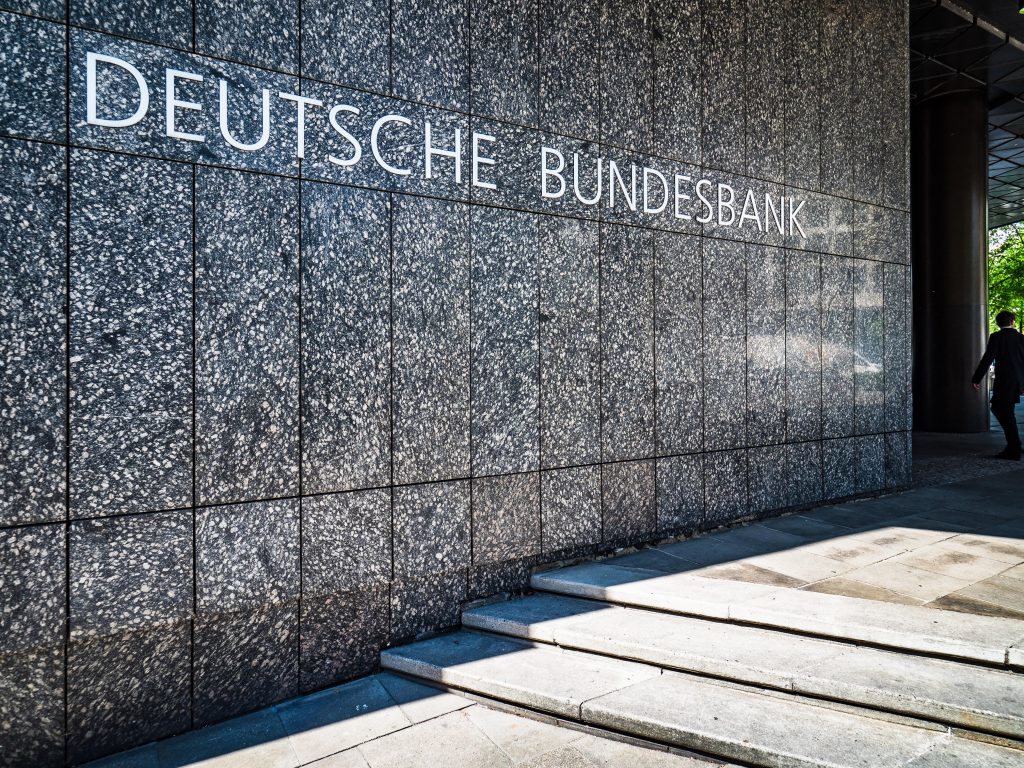
Vatican financial watchdog signs cooperation agreement with Germany’s central bank
The Vatican’s financial watchdog has signed a cooperation agreement with Germany’s central bank following Pope Leo XIV’s recent overhaul of the authority’s governing statutes. The memorandum of understanding was signed on 17 July at Palazzo San Carlo by ASIF Director Federico Antellini Russo and Dr Burkhard Balz, a member of the Executive Board of the […] The Vatican’s financial watchdog has signed a cooperation agreement with Germany’s central bank following Pope Leo XIV’s recent overhaul of the authority’s governing statutes. The memorandum of understanding was signed on 17 July at Palazzo San Carlo by ASIF Director Federico Antellini Russo and Dr Burkhard Balz, a member of the Executive Board of the Deutsche Bundesbank. The agreement establishes technical cooperation between the Vatican’s Supervisory and Financial Information Authority (ASIF) and Germany’s central bank, with both institutions working together on financial supervision through training initiatives and the exchange of expertise and best practice. The signing follows Pope Leo XIV’s promulgation of new statutes for ASIF, the Vatican body responsible for supervising the Holy See’s financial sector and combating money laundering and the financing of terrorism. The revised statutes came into force after the Pope issued a chirograph dated 25 June, replacing the previous norms introduced during the pontificate of Pope Francis. Speaking at the ceremony, Balz said the agreement demonstrated a shared commitment to strengthening cooperation between the two institutions. “By signing this memorandum of understanding, we reaffirm our shared commitment to the principles of integrity, transparency, and international cooperation,” Balz said. “This agreement provides a framework for ongoing exchange and mutual support, reflecting our common aspiration to serve the common good through a stable and fair financial system.” The Vatican said the agreement builds on an established relationship between ASIF and the Bundesbank that has developed over a number of years. It added that closer cooperation had been made possible by the Holy See’s commitment to strengthening its financial framework in accordance with international standards, pointing to greater transparency, accountability and professionalism within its financial institutions. Under the memorandum, the two authorities will cooperate in financial supervision, exchange technical knowledge and develop training opportunities designed to strengthen regulatory practice. According to the Vatican, the objective is to contribute to greater transparency and sustainability across the international financial system. For ASIF, the agreement also coincides with the fifteenth anniversary of the authority’s creation. Antellini Russo said the anniversary, together with Pope Leo XIV’s new statutes, marked an opportunity to assess the body’s development while looking ahead. “The signing of this memorandum of understanding takes place in the year marking the fifteenth anniversary of the establishment of this Authority, and only a few weeks after the entry into force of the new Statute of the Supervisory and Financial Information Authority, promulgated by His Holiness Pope Leo XIV,” Antellini Russo said. “As is often the case with such milestones and anniversaries, this offers us an opportunity to reflect on the path we have travelled, but above all to look to the future with confidence. I hope that the cooperation between our two institutions will continue to grow stronger and become even closer.” The signing ceremony was attended by Monsignor Mihăiţă Blaj, Under-Secretary of the Section for Relations with States and International Organisations at the Secretariat of State, and Dr Christoph Braner, Minister Plenipotentiary at the German Embassy to the Holy See. The agreement follows the evolution of the Vatican’s financial watchdog. Pope Benedict XVI established the Financial Information Authority in 2010 as part of a programme of financial reform. Pope Francis subsequently introduced revised statutes in 2013 before issuing further reforms in 2020, when the body received its current name, the Supervisory and Financial Information Authority. Pope Leo XIV’s revised statutes now provide the framework under which ASIF will continue its supervisory role.
Jul. 21, 2026
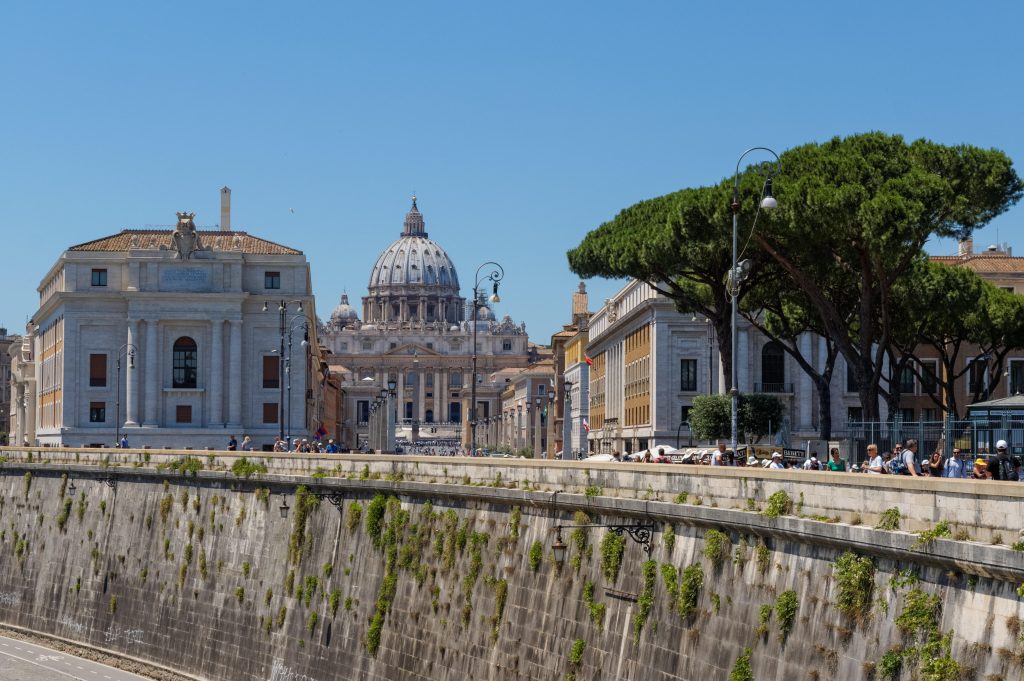
Pope Leo XIV overhauls Vatican financial watchdog with major governance reform
Pope Leo XIV has approved the biggest restructuring of the Vatican’s financial watchdog since its creation in 2010. The reform abolishes ASIF’s president and governing board, places its leadership under direct papal appointment and introduces a new management structure while expanding the authority’s role in overseeing the Holy See’s financial system Pope Leo XIV has approved the most significant restructuring of the Vatican’s financial watchdog, placing its leadership under direct papal appointment and replacing its long-standing governing board with a streamlined management structure. The reform of the Supervisory and Financial Information Authority (ASIF), promulgated through a chirograph published on 30 June, introduces a new statute for the body responsible for combating money laundering, monitoring suspicious financial activity and supervising the Vatican’s financial system. At the centre of the changes is the abolition of the authority’s president and board of directors, a structure that had existed in various forms since the institution was founded in 2010 as part of a wider effort to bring the Holy See into line with international financial standards. Under the new statute, ASIF will instead be led by a director and deputy director, both appointed by the Pope for renewable five-year terms. They will be assisted by consultors, who will also be appointed by the Pontiff and tasked with providing specialist expertise. The Vatican said the reform was the result of a long process through which the Holy See and Vatican City State have progressively adapted their legislation and institutions to meet evolving international requirements governing anti-money laundering measures, the financing of terrorism and prudential financial supervision. The new statute preserves ASIF’s core responsibilities. It retains exclusive competence for supervising and regulating efforts to prevent money laundering, terrorist financing and the financing of the proliferation of weapons of mass destruction. It also continues to function as the Vatican’s financial intelligence unit, receiving and analysing suspicious transaction reports while cooperating with international counterparts. In addition, ASIF remains responsible for the prudential supervision of entities carrying out professional financial activities within the Vatican’s legal framework. The authority’s internal structure has been reorganised around these three principal functions. Separate offices will oversee anti-money laundering supervision and regulation, financial intelligence activities and prudential supervision. A new legal affairs office has also been created, with responsibility for ensuring legal consistency across the authority’s work and safeguarding fundamental rights within financial intelligence operations. One notable feature of the reform is a strengthened relationship between ASIF and the Council for the Economy, the body established by Pope Francis to oversee the Holy See’s financial affairs. Under the new arrangements, ASIF’s annual report, budget forecasts and final accounts will be submitted directly to the Council for the Economy. The council will also be able to request reports on the authority’s activities. The reform also expands ASIF’s role in resolving disputes involving customers of the Institute for the Works of Religion (IOR), commonly known as the Vatican Bank. Previously limited to matters concerning payment systems, its arbitration competence will now extend across the full range of financial services offered by the institute. The changes come as the Holy See continues a lengthy process of financial reform that began during the pontificate of Benedict XVI and accelerated under Pope Francis. Benedict established the Financial Information Authority, known by its Italian initials AIF, in December 2010 through the motu proprio For the Prevention and Countering of Illegal Activities in the Area of Monetary and Financial Dealings . The move marked a watershed moment in Vatican financial governance as the Holy See sought to improve transparency and strengthen safeguards against financial crime. Further reforms followed in 2013 when Pope Francis expanded the authority’s responsibilities through legislation aimed at preventing money laundering, terrorist financing and the proliferation of weapons of mass destruction. Later that year, he approved a revised statute which affirmed that the authority would carry out its functions “in full autonomy and independence”. In 2020, amid broader reforms of Vatican financial institutions, the body was renamed the Supervisory and Financial Information Authority, reflecting its combined role as both regulator and financial intelligence unit. Its work has become increasingly important as the Holy See has sought recognition from international monitoring bodies and strengthened cooperation with foreign regulators and law enforcement agencies. The Vatican has repeatedly pointed to standards developed by organisations such as the Financial Action Task Force and the Egmont Group of Financial Intelligence Units as benchmarks for its reforms. The latest statute explicitly references developments in international regulations, including the European Union’s Sixth Anti-Money Laundering Directive and revisions adopted by the Egmont Group in 2025. The restructuring nevertheless marks a departure from the governance model traditionally associated with independent financial regulators. Until now, ASIF had been overseen by a president and board, a system comparable to arrangements found in many national supervisory authorities and central banks. The new structure aligns the watchdog more closely with the organisation of Roman Curia departments, which are generally headed by a single senior official appointed directly by the Pope.
Jul. 3, 2026