

Russian Orthodox Eparchy Of Argentina And South America
Patriarch Kirill transfers Metropolitan Hilarion after illegal substance bust
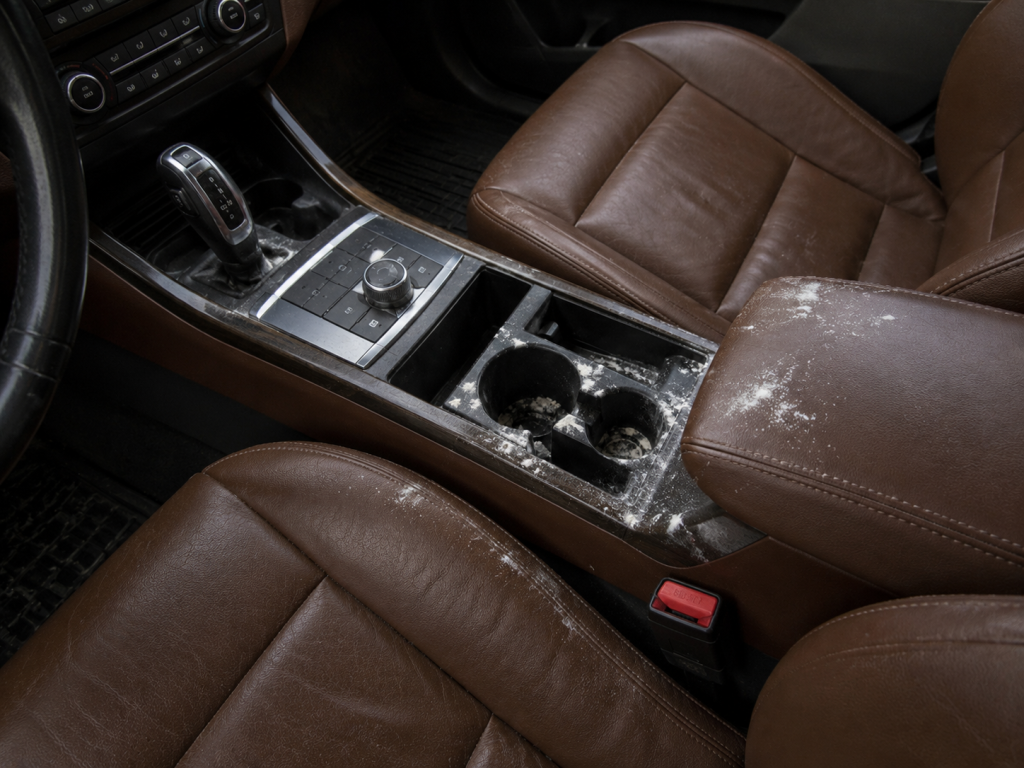
Patriarch Kirill has transferred Metropolitan Hilarion to South America after a search of a vehicle in which he was travelling led to a criminal investigation in the Czech Republic Russian Patriarch Kirill has transferred Metropolitan Hilarion (Alfeyev) to South America after Czech police confirmed that a white powder discovered in a vehicle in which he was travelling was cocaine. The decree, published by the Moscow Patriarchate on 3 June, assigns the former head of the Church’s Department for External Church Relations to the Russian Orthodox Eparchy of Argentina and South America. According to the decree, Metropolitan Hilarion will serve at the Church of the Holy Apostles Peter and Paul in Santa Rosa and the Church of the Holy Apostle and Evangelist John the Theologian in Campina das Missões, both in the Brazilian state of Rio Grande do Sul. The document states that the move was made because it was no longer possible to implement a Holy Synod decision of 27 December 2024 that had assigned the metropolitan to the Church of Saints Peter and Paul in Karlovy Vary in the Czech Republic. The transfer follows an investigation by Czech authorities after police stopped a vehicle carrying Metropolitan Hilarion on 24 May while he was travelling from Karlovy Vary to Budapest. During a search of the vehicle, officers discovered several containers containing a white powder. The substance was sent for forensic examination, and Metropolitan Hilarion was detained for two days before being released without charge, bail conditions or travel restrictions. On 3 June, the Czech newspaper Deník N reported that forensic testing had confirmed the substance was cocaine. Metropolitan Hilarion has denied any connection to the drugs and said the substance was planted in the vehicle. In a message published on his Telegram channel after his release, he wrote: “To slip substances like these into someone’s pocket, or bag, or suitcase, or car, or apartment, and then call and say where they are, in general, it doesn’t cost anything. This could happen to anyone.” He added: “Sometimes it is important simply for us to appreciate our situation, to appreciate what is happening around us, and to thank God for how He takes care of us and brings us out of the most difficult situations.” According to a statement published by the Moscow Patriarchate, the circumstances surrounding the detention raised questions concerning “legality and observance of procedural norms”. Metropolitan Hilarion’s lawyer, Michal Pacovský, reportedly expressed concern that his client had not been permitted to observe part of the vehicle search after being taken away from the scene. Russia’s Foreign Ministry also criticised the detention and called for what it described as the persecution of Russian Orthodox clergy in the Czech Republic to cease. After his release on 26 May, Metropolitan Hilarion returned to Russia. Photographs published on his Telegram channel later showed him assisting at a Divine Liturgy celebrated by Patriarch Kirill at the Trinity Lavra of St Sergius outside Moscow. The latest transfer comes less than two years after the metropolitan was moved from Hungary to the Czech Republic following another controversy that attracted international attention. In June 2024, a former aide, George Suzuki, a Japanese citizen, accused Metropolitan Hilarion of sexual misconduct and alleged links to Russian intelligence services. The metropolitan denied the allegations and said he was the victim of an extortion attempt. The dispute developed after Metropolitan Hilarion reported the disappearance of watches and cash worth around €90,000 from his residence. Hungarian authorities later concluded that an intention to misappropriate the property could not be proven. Following a Church investigation, Metropolitan Hilarion was reassigned from Hungary to Karlovy Vary at the end of 2024. For much of the previous decade, however, he had been one of the most prominent figures in the Russian Orthodox Church. In 2009, Patriarch Kirill appointed him chairman of the Moscow Patriarchate’s Department for External Church Relations, the body responsible for relations with other Christian churches, governments and international organisations. The post had previously been held by Patriarch Kirill before his election as Patriarch of Moscow, and Metropolitan Hilarion was seen as one of the Church’s leading representatives abroad. During his tenure, he met both Pope Benedict XVI and Pope Francis and took part in the historic meeting between Pope Francis and Patriarch Kirill at Havana Airport in Cuba in February 2016, the first meeting between a Pope and a Russian Orthodox Patriarch. His removal from the department in 2022 followed Russia’s full-scale invasion of Ukraine. Weeks before the invasion, Metropolitan Hilarion had said that war was “not a method to solve accumulated political problems” and that every armed conflict brought “untold calamities”.
Jun. 5, 2026