

Papal Visit To France
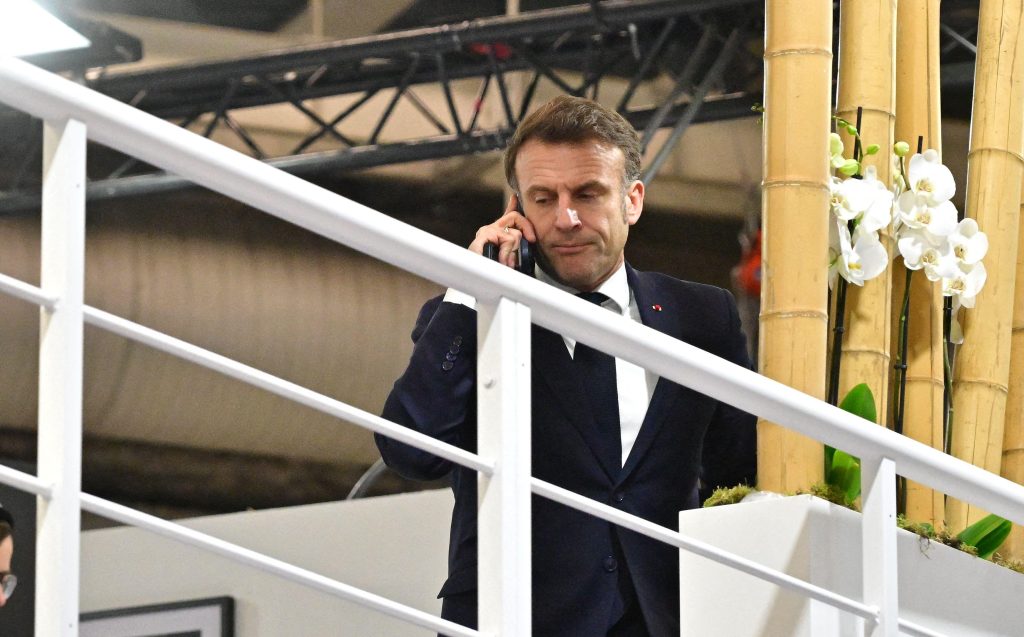
Pope Leo XIV personally lobbied Macron over French euthanasia bill, sources say
Exclusive: Sources tell AdVaticanum that Pope Leo XIV held regular direct calls with President Emmanuel Macron in an effort to slow France’s euthanasia bill ahead of his forthcoming visit to the country A notable feature of the June Consistory was Pope Leo XIV’s call for frankness in addressing the pressing issues facing the Church. According to sources close to AdVaticanum, this approach has recently been put into practice through the Pope’s personal engagement with the highest levels of the French government on the question of euthanasia. The intervention has taken place through quiet but consistent channels. While sources could not confirm exactly when it began, Pope Leo XIV is said to have initiated a series of direct communications with Emmanuel Macron. According to sources within both the diplomatic sphere and the Vatican, His Holiness has been making regular 15-minute phone calls to the French President focused solely on the euthanasia and assisted suicide bill. These conversations have centred on ways to slow the bill’s progress and prevent France from following paths seen in other nations, such as Canada, where the law is now responsible for more than 5 per cent of deaths. It is understood that His Holiness has been focusing particularly on euthanasia because several European countries, including the United Kingdom, are pursuing similar legislation, and a liberalisation in France may encourage others to follow. The third vote in the Senate on the euthanasia and assisted suicide bill failed, with senators rejecting the measure by a narrow margin. The bill will now return to the National Assembly for what could prove a decisive reading. Sources have also told AdVaticanum that His Holiness’s strengthened focus on life issues is a defining priority of his pontificate. This is reflected in the promotion of Archbishop Renzo Pegoraro, President of the Pontifical Academy for Life, who was elevated from monsignor to the episcopate in under a year. The political dimension of the upcoming papal trip to France is likely another factor behind the Pope’s personal engagement. The overall atmosphere surrounding the visit will be shaped by the country’s policy of laïcité, the strict secular framework separating Church and State. The French legislature will be keen to avoid any appearance of external influence on matters of public policy, particularly on moral questions such as euthanasia. However, the Pope is likely to use the visit to make a firm defence of human life, as seen during his recent apostolic journey to Spain. On that occasion, as the first Pontiff to address the Spanish Parliament, he asked: “Can a community that casts into the shadows the unborn child, the elderly, the sick, those who suffer in silence, or those who depend entirely on the care of others be called fully just?” He went on to insist that “every human life must be recognised and safeguarded from conception to its natural end, in every circumstance of its existence.” President Macron has publicly backed the assisted suicide legislation, describing it as “aid in dying” for adults facing incurable illness and intractable suffering. His government has framed the measure as a compassionate option, avoiding terms such as euthanasia or assisted suicide. His party and its allies in the National Assembly have largely supported the bill, arguing that it protects personal dignity and individual choice in end-of-life decisions. Yet the Senate’s repeated rejections indicate significant resistance to the state facilitating suicide. Pope Leo XIV has met President Macron on several occasions since his election. Their first in-person meeting took place shortly after the conclave in May 2025, when Macron travelled to Rome for a private audience at the Vatican to discuss European affairs, including migration and peacebuilding. If the bill ultimately passes, the Pope’s visit to France will carry clear political sensitivities. He will encounter an environment in which any strong defence of the Church’s teaching on the sanctity of life may prompt accusations of interference in domestic affairs. With the French visit on the horizon, the climate of secular sensitivity means that every word and gesture will carry weight. Macron’s government has continued to advance the legislation despite Senate setbacks, setting the stage for potential tension. Yet the repeated failures in the Senate also suggest that concerns about assisted suicide—particularly its implications for the value of human life and the protection of the vulnerable—remain firmly present within French political life.
Jul. 13, 2026