

Kash Patel
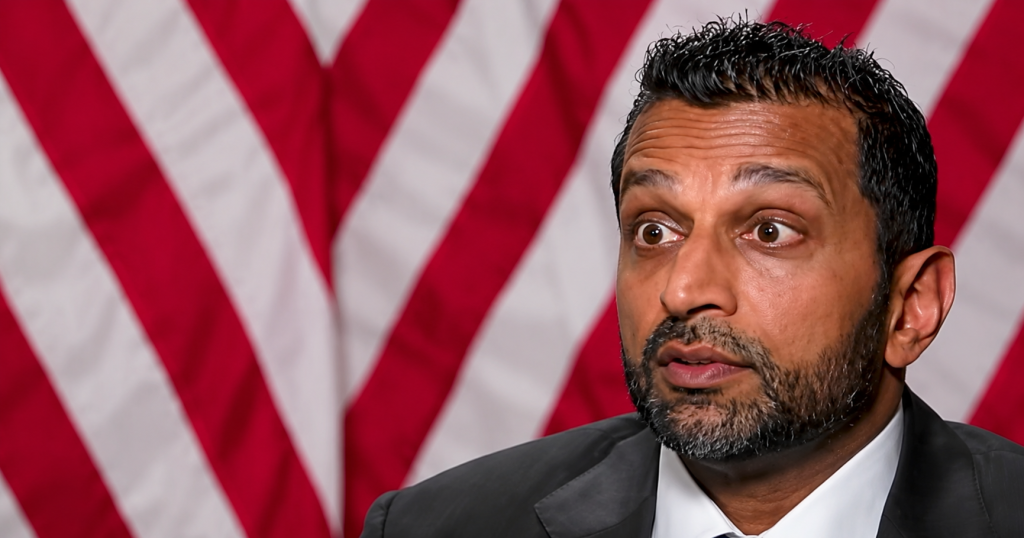
FBI dismisses five employees involved in controversial traditionalist Catholic memo
A controversial FBI memorandum on traditionalist Catholics has claimed more casualties, with five employees now dismissed from the bureau Five FBI employees involved in the production of a controversial memorandum on traditionalist Catholics have been dismissed by the bureau. The employees, reported to include four intelligence analysts and a supervisory analyst, were removed from their positions on 5 June under the leadership of FBI Director Kash Patel. Their lawyer, David Laufman, condemned the dismissals, describing them as “manifestly unjust” and “completely unsupported by the facts”. In a statement, he said: “This action is manifestly unjust, completely unsupported by the facts, and subverts standard FBI policy and procedure.” He added: “These individuals deserved far better for the exceptional and faithful public service they rendered to protect our country.” The firings relate to a January 2023 intelligence memorandum produced by the FBI’s Richmond field office which examined possible links between racially motivated violent extremists and individuals described in the document as “Radical Traditionalist Catholics”. The memorandum emerged from a domestic terrorism investigation involving a Richmond-area individual alleged to have neo-Nazi sympathies who attended traditional Catholic services. The controversy erupted after the memorandum was leaked to the public in February 2023. FBI leadership quickly withdrew the document and distanced itself from its conclusions. Then FBI Director Christopher Wray later told lawmakers he was “aghast” when he learned of the memorandum, while former Attorney General Merrick Garland said he was “appalled” by its contents. The document sought to identify what it described as potential connections between extremist movements and certain fringe traditionalist Catholic circles. It also suggested possible opportunities for intelligence gathering and source development, prompting concerns that practising Catholics could become the subject of inappropriate monitoring. The traditionalist groups referenced included the Society of St Pius X (SSPX) and the Priestly Fraternity of St Peter (FSSP). The memo explicitly noted SSPX-affiliated chapels in the Richmond area of responsibility (AOR) and an FSSP parish there as potential points of contact or locations for monitoring RMVE (Racially Motivated Violent Extremists) activity. Specific cases cited in the memo involved RMVEs attending SSPX-linked churches. One involved a Virginia man, later arrested with Molotov cocktails and other materials, who attended an SSPX chapel for about seven months, described himself as a “radical traditional Catholic clerical fascist”, and expressed neo-Nazi views. Another referenced individuals in California and elsewhere gravitating towards SSPX communities. An internal FBI review subsequently concluded that the memorandum failed to meet required analytical standards. According to findings later provided to Congress, officials involved in the drafting, review and approval of the document failed to provide sufficient evidence to support some of its conclusions and created the appearance that the bureau was conducting investigative activity on the basis of religious affiliation. The review stated: “One of the FBI’s most fundamental principles is that investigative activity may not be based solely on the exercise of rights guaranteed by the First Amendment.” Investigators found shortcomings in the analytical process but did not conclude that those responsible had acted with deliberate misconduct. Particular concern focused on the memorandum’s use of material from outside organisations that had categorised some traditionalist Catholic groups as extremist. At the time, Cardinal Timothy Dolan of New York, speaking on behalf of the United States Conference of Catholic Bishops, described the document as “troubling and offensive” and criticised what he called “religious profiling”. His Eminence also questioned the sources relied upon by the FBI while reaffirming the Church’s opposition to racism, hatred and violence. The fallout from the memorandum continued long after its withdrawal as congressional investigations, whistleblower disclosures and Freedom of Information Act litigation brought further details into the public domain. Subsequent disclosures by the House Judiciary Committee and Senator Chuck Grassley indicated that the document had circulated more widely within the FBI than initially understood. According to records released by congressional investigators, the memorandum was distributed to more than 1,000 FBI personnel before being withdrawn. The same disclosures indicated that officials discussed outreach to Catholic parishes and diocesan leaders as part of efforts to identify potential indicators of extremist activity.
Jun. 8, 2026