

Bishop Os Rio Citora Afonso
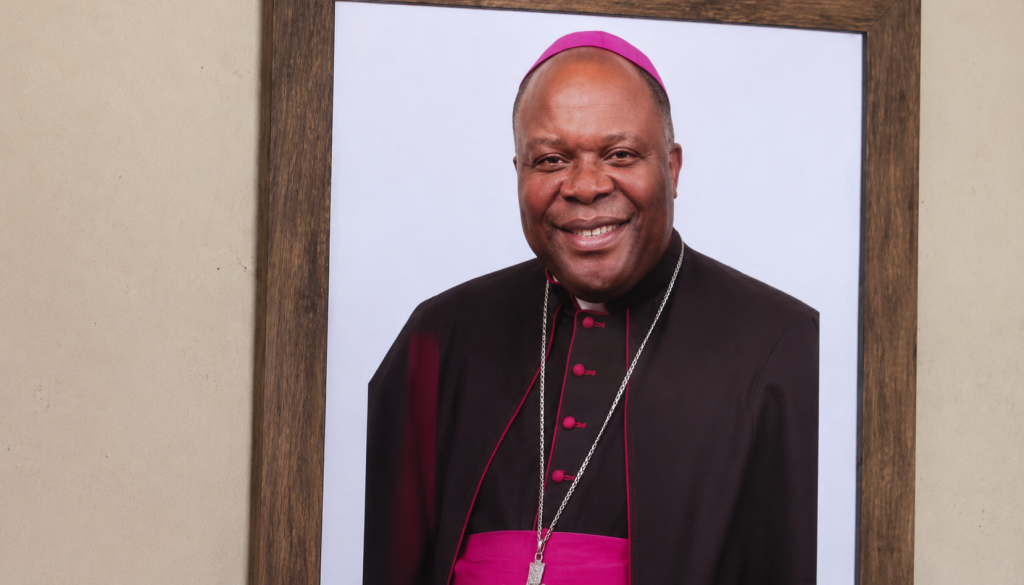
Priest among three detained over murder of Mozambican bishop
A Catholic priest, a security guard and a gardener have been placed in preventive detention as investigators probe the killing of Bishop Osório Citora Afonso of Quelimane. The bishop was shot dead at his residence on 6 June A Catholic priest has been detained on suspicion of involvement in the murder of Bishop Osório Citora Afonso of Quelimane in a dramatic development in the investigation into the killing of one of Mozambique’s most senior churchmen. The priest, together with a security guard and a gardener employed at the bishop’s residence, has been placed in preventive detention after appearing before an investigating judge in Zambézia Province, where Bishop Afonso was shot dead on 6 June. Mozambican authorities have not released the names of the suspects and have disclosed little about the evidence that led to the arrests. The arrests are a significant turn in a case that has shocked Catholics across Africa. Mozambique’s National Criminal Investigation Service (SERNIC) said Bishop Afonso died a violent death after being shot with a firearm. Investigators have carried out forensic examinations, ballistic tests, DNA analysis and other technical procedures as part of the inquiry. Questions remain, however, over how the killing was carried out and whether others may have been involved. Initial reports following the bishop’s death suggested that attackers entered the episcopal residence from outside the compound before fatally shooting him. Bishop Afonso was reportedly struck in the chest and his body was later found inside the residence. The prospect that a member of the clergy could be implicated in the crime has stunned many Catholics in Mozambique. According to reports from the country, the detained priest belongs to the Diocese of Quelimane. Authorities have not commented publicly on the alleged role played by any of the suspects while investigations continue. Bishop Afonso, a Consolata Missionary, had led the Diocese of Quelimane since August 2025 and was also serving as Apostolic Administrator of Beira. Before returning to Mozambique, he spent several years working in Rome at the Dicastery for Evangelisation. His murder prompted an outpouring of grief from Church leaders in Mozambique and beyond. Archbishop Inácio Saúre, president of the Mozambican bishops’ conference, said shortly after the killing that the bishop had been found “lifeless and in strange circumstances that have yet to be clarified”. The bishops later described the killing as “an attempt to silence the voice of faith, justice and peace” and demanded a thorough investigation into the crime. Pope Leo XIV also expressed his sorrow following the bishop’s death. In a message released by the Holy See, the Pope said he had learned “with sorrow of the grave act of violence” which claimed the life of Bishop Afonso and assured the faithful of his prayers. The Pope said he joined “in prayer with the people of the dioceses and of Mozambique in this hour of distress” and asked the Lord to “stay the hand of the violent”. During the bishop’s funeral in Quelimane, the Apostolic Nuncio to Mozambique, Archbishop Luis Miguel Muñoz Cárdaba, called for the full truth about the killing to emerge. “We must not fear the truth. The truth sets us free,” the Archbishop said. The Nuncio described Bishop Afonso as “a man of peace” and “a man of reconciliation”, adding that the Church must remain steadfast in seeking justice. The killing has been condemned across the continent. The Symposium of Episcopal Conferences of Africa and Madagascar expressed its “profound shock, sorrow, and indignation” at the bishop’s death, while clergy in Mozambique denounced the murder as a “barbaric act” and a “heinous act”.
Jun. 13, 2026