

Bishop Est V O Ngelo Fernando
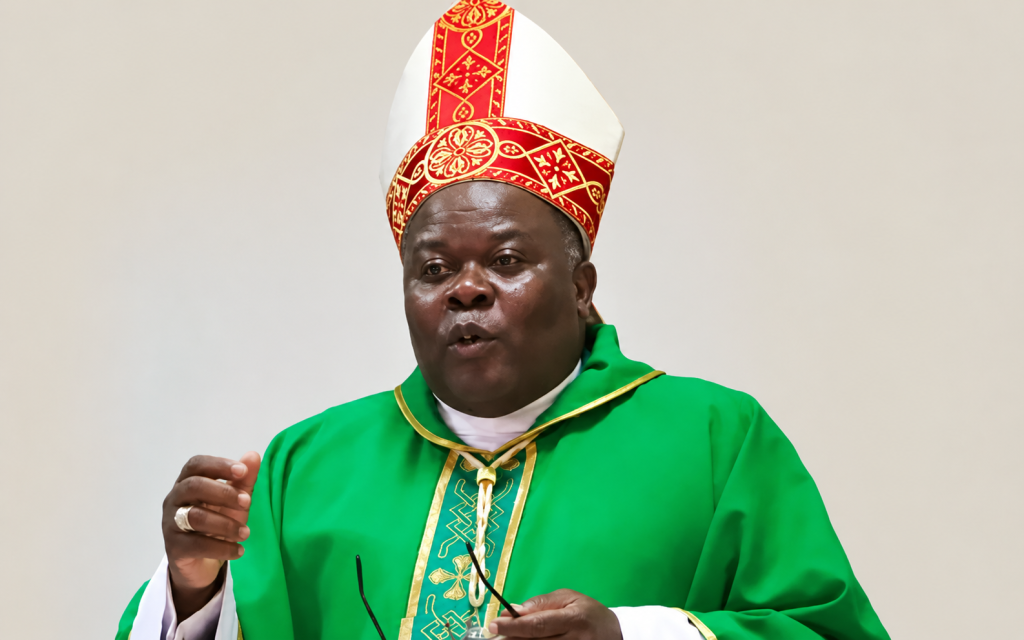
Apostolic administrator asks people not to speculate over murdered bishop
The apostolic administrator of the Diocese of Quelimane has urged people not to speculate about the murder of Bishop Osório Citora Afonso, warning against unverified allegations and calling for the legal process to be allowed to run its course The apostolic administrator of the Diocese of Quelimane has appealed for people not to speculate about the murder of Bishop Osório Citora Afonso. In a statement issued on 4 July, Bishop Estêvão Ângelo Fernando, who was appointed apostolic administrator of Quelimane after Bishop Afonso was shot dead on 6 June, condemned what he described as the publication of unverified allegations and the growing tendency to assign blame before the courts have reached any conclusions. The statement, signed jointly with the diocesan College of Consultors, came after weeks of intense reporting by Mozambican media based on purported details from the ongoing police investigation. “I, Dom Estêvão Ângelo Fernando, apostolic administrator of the Diocese of Quelimane, and the College of Consultors, publicly express our vehement repudiation of the material published by certain media outlets and circulated on social media, which blames individuals for actions, attitudes, and management decisions that at times have absolutely nothing to do with the case concerning the assassination of the Bishop of Quelimane, Dom Osório Citora Afonso,” Bishop Fernando said. “I myself am a target of this.” The bishop also criticised the disclosure of confidential investigative material and said that such leaks violate judicial secrecy, encourage speculation and an atmosphere of suspicion, rather than helping establish the truth. While reaffirming the Church’s support for a free press, he cautioned that “freedom without ethics or respect for the law degenerates into speculation.” Bishop Afonso was killed by a gunshot to the chest at his episcopal residence in Quelimane. Early reports suggested the bishop had been assassinated by attackers who entered the residence from outside after scaling its walls, disabling the security system and using an AKM rifle. The circumstances led to widespread speculation that the killing may have been politically motivated. Within days, however, investigators arrested three individuals connected to the diocese: the diocesan chancellor, Fr Adelino Novais Amado, together with the gardener and security guard employed at the bishop’s residence. Subsequent reports published by the independent newspapers Savana and Canal de Moçambique have cited information they say originates from the police investigation. According to those reports, investigators are examining whether Bishop Afonso’s death may have been linked to disputes over diocesan administration following his appointment in 2025. The reports suggest that, after taking office, Bishop Afonso began reviewing the diocese’s financial administration and decisions made during the prolonged period between the resignation of his predecessor, Bishop Hilário Massinga, in 2023 and his own arrival two years later. They further allege that the bishop intended to introduce significant reforms to diocesan governance. Central to those claims is a decree signed by Bishop Afonso on 31 May, less than a week before his death, reorganising the diocesan curia. Among the changes was the replacement of Fr Amado as chancellor. The new appointments were due to take effect on 6 June, the day Bishop Afonso was killed. Neither Mozambican judicial authorities nor Church officials have publicly confirmed any motive for the murder, and many of the allegations reported in the press remain unverified. Particular controversy has surrounded reports published by Canal de Moçambique alleging financial transfers and communications between Fr Amado and Bishop Fernando. Without addressing those specific allegations individually, the apostolic administrator rejected suggestions that named individuals had been implicated before any judicial findings had been made, saying publications were attributing responsibility to people who, in some cases, had “absolutely nothing to do” with the crime. The wider allegations reported in the Mozambican press have centred on claims that conflicts over diocesan assets predated Bishop Afonso’s arrival. Savana has reported longstanding disputes concerning the management of Church property and legal proceedings initiated under Bishop Massinga involving the alleged misappropriation of diocesan assets by religious sisters. The uncertainty surrounding the investigation has attracted considerable attention both within Mozambique and internationally. The Holy See moved swiftly after the bishop’s death by appointing Bishop Fernando, who leads the neighbouring Diocese of Alto Molócuè, to administer Quelimane temporarily. The appointment suggests that the Vatican had no evident reservations about his suitability to oversee the diocese while the investigation proceeds. The case has also coincided with high-level contact between the Vatican and the Mozambican episcopate. Pope Leo XIV recently received the president and vice-president of the Episcopal Conference of Mozambique, Archbishops Inácio Saure and João Carlos Hatoa Nunes, together with the Archbishop Emeritus of Beira, Claudio Dalla Zuanna. No official account of the audience was released, and the Holy See has not disclosed whether Bishop Afonso’s murder formed part of the discussions. Bishop Osório Citora Afonso was murdered on 6 June. Three individuals connected to the diocese have been arrested, while investigators continue examining multiple lines of inquiry. No court has established responsibility, and no official judicial conclusions have been announced. Bishop Fernando has urged both the media and the public to allow the legal process to run its course.
Jul. 9, 2026