

Archdiocese Of Vienna
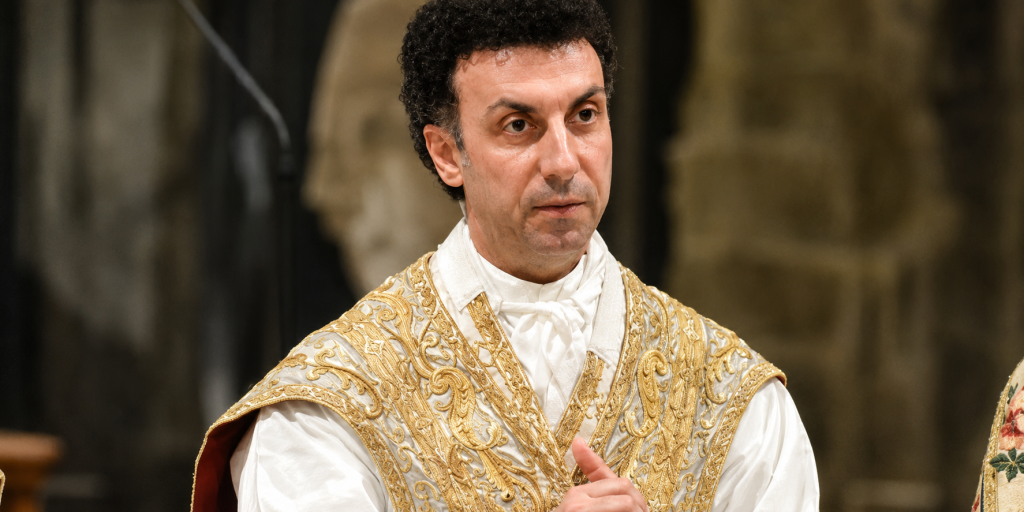
Fr Joachim Heimerl says Vienna Archbishop has imposed a “publication ban”
Fr Joachim Heimerl says Archbishop Josef Grünwidl of Vienna has imposed a “publication ban” on him under threat of suspension. In an interview with Stilum Curiae, the Austrian priest discusses the dispute, his understanding of priestly obedience, and why he believes the measure has no legal basis Fr Joachim Heimerl, a priest of the Archdiocese of Vienna, has said that Archbishop Josef Grünwidl has imposed a “publication ban” on him. In an interview with Marco Tosatti’s blog Stilum Curiae , the priest said the Archbishop sent “some letters that were not very friendly”. He said a recent letter informed him of a “publication ban” and warned that, if he did not comply, there would be “sanctions” that could even extend to “suspension”. Fr Joachim Heimerl is a well-known Austrian priest who was ordained for the Archdiocese of Vienna in 2019. Before his ordination, he was a scholar of German studies and published a variety of works. Upon entering the priesthood, he initially planned to serve in a purely pastoral role. Having experienced serious health problems himself, he believed his vocation was to serve other sick people “as a sick priest”, he explains. However, as his health further deteriorated, he was forced to withdraw from pastoral ministry. Since then, he says, his role as a priest “has been limited to prayer and Holy Mass”, which he celebrates exclusively in private in his home chapel. From this isolation, Fr Heimerl began writing for various Catholic outlets, including Die Tagespost and kath.net . Initially, his articles focused more on cultural commentary, and he cites his tribute to the opera singer Maria Callas as his finest piece. He subsequently turned his attention to the state of the modern Church. Since early 2024, he has written columns for LifeSite that have proved particularly contentious. In November 2024, he published an article entitled Pope Francis leads a ‘magisterium of lies and heresy’ with his ‘Pseudo Synod’ , followed in January 2025 by From the ashes of the ‘Bergoglian church’ the Catholic Church will rise again . Fr Heimerl describes his writing as “my form of pastoral care and preaching”, which remains a “solitary activity”. He believes Archbishop Grünwidl wants to make an example of him because of his “presence in the media”. He said he wrote to the Archbishop to explain that “nowadays it is quite common to impose ‘bans’ on those who profess the faith of the Church, while critics of celibacy and heretics remain undisturbed and can express themselves as they see fit.” He further argues that the Archbishop’s sanction “has no solid foundation and would therefore be legally worthless”, adding that “no one has the right to limit freedom of expression, not even an archbishop”. When questioned about the obedience he promised to his bishop at ordination, Fr Heimerl disputes that understanding of obedience, saying that “the obedience that every priest promises at the moment of ordination is owed solely to Christ and the Church”, which he believes he has “always adhered to”. He also argues that “obedience is never a sort of ‘counterpart’ to fundamental rights” and that, if it were used to limit his “constitutionally guaranteed individual rights”, it could become “what is commonly termed ‘spiritual abuse’.” It is not clear which constitution the priest is referring to. However, the matter may resolve itself naturally, as the priest explains that he has “been thinking about bidding farewell to my readers for some time” because his “health is not improving”. He does, however, say there are still some topics he would like to cover, including a reflection on the Holy Mass and something on the theme of Our Lady as Mediatrix of All Graces.
Jul. 17, 2026
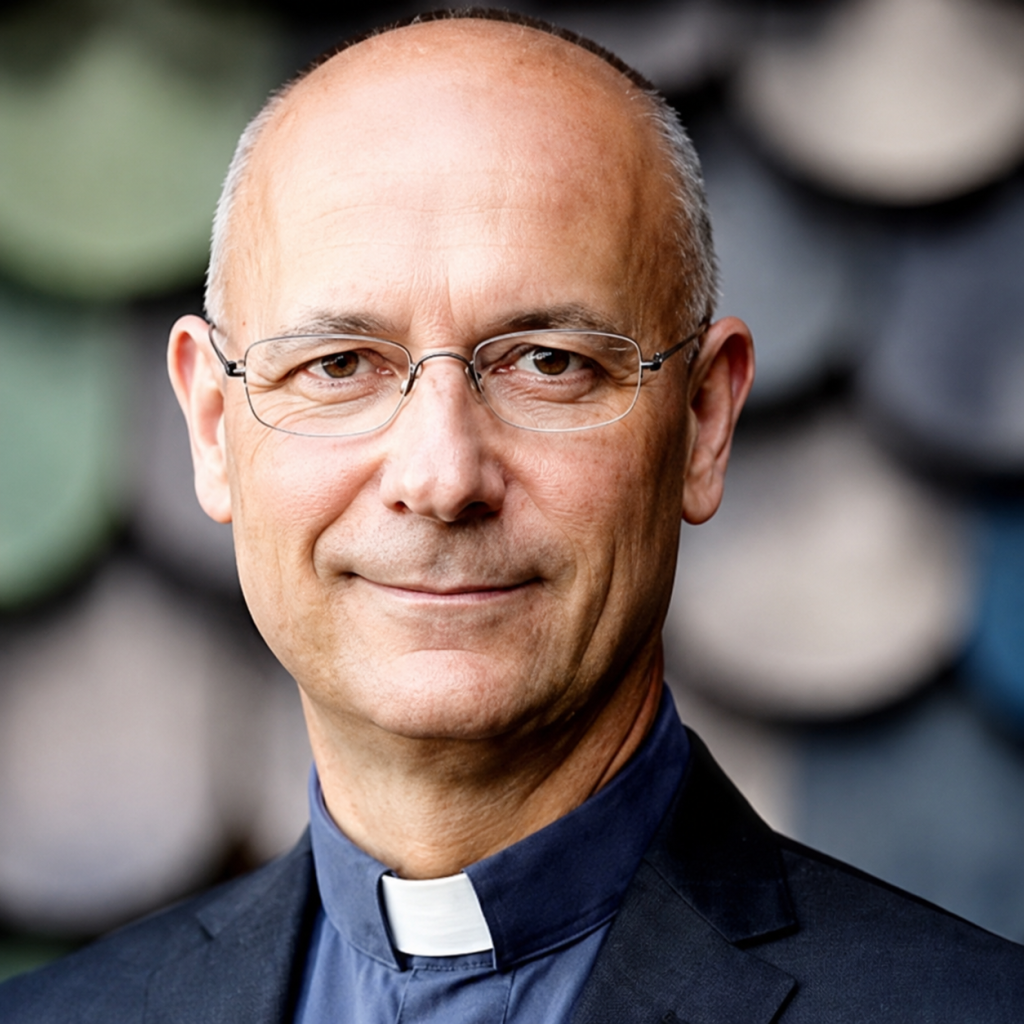
Vienna’s controversial cathedral rector to step down after 30 years
The Archdiocese of Vienna has confirmed that Fr Toni Faber will step down as rector of St Stephen’s Cathedral in 2027. The priest has long attracted attention for his media profile, comments on celibacy and support for blessings for same-sex couples The Archdiocese of Vienna has confirmed that the controversial priest Fr Toni Faber will step down as rector of St Stephen’s Cathedral in 2027, bringing to an end almost three decades in one of the most prominent clerical posts in the Austrian Church. The announcement was made by Archbishop Josef Grünwidl, who said that new leadership would be appointed for the cathedral in the summer of 2027. Speaking to the Austrian broadcaster ORF, the archbishop insisted that the decision was principally linked to the unusually long duration of Fr Faber’s tenure rather than any disciplinary measure. “No one has held this office for 30 years,” Archbishop Grünwidl said, describing the priest’s period in office as “a record”. The archbishop also stressed that the 64-year-old priest would not disappear from public ministry and would continue to exercise a pastoral role connected to the cathedral and the centre of Vienna. “We were ordained priests on the same day here in St Stephen’s Cathedral,” Archbishop Grünwidl said, underlining the personal bond between the two men as he praised Fr Faber’s decades of service. Fr Faber has long occupied an unusually prominent media profile for a diocesan priest and has frequently attracted controversy for remarks and public positions which drew criticism from more conservative Catholics. Recent media reports in Austria further intensified scrutiny of the priest after renewed attention was given to his appearances at public dance events accompanied by a woman. Although no formal accusation of misconduct emerged, the reports added to longstanding criticism surrounding his lifestyle and pastoral approach. Over the years he publicly questioned mandatory priestly celibacy and voiced support for blessings for same-sex couples. His regular appearances in Austrian public life, including events linked to politics, culture and entertainment, also distinguished him from the more restrained public image usually associated with cathedral clergy. Despite the controversy, the Archdiocese of Vienna has given no indication that Fr Faber’s departure from the rectorship represents any form of sanction. Archbishop Grünwidl instead repeatedly stressed that the priest would remain active within pastoral life in Vienna and continue to be associated with St Stephen’s Cathedral. Fr Faber himself indicated that he has no intention of withdrawing quietly from ecclesiastical life. Speaking about his future after the announcement, he said: “Being a priest and pastor is written in my DNA.” He added that he hoped to continue serving as a “bridge” between the Church and wider society, mentioning politics, business and culture among the fields in which he wished to remain active. He also referred to possible work connected with urban pastoral ministry in central Vienna. Fr Faber was appointed rector in 1997 and became closely associated with the public life of the cathedral through televised liturgies, high-profile funerals and appearances alongside leading figures from Austrian political and cultural life. His departure in 2027 will end one of the longest tenures in the cathedral’s history, with the archdiocese expected to announce his successor closer to the date of the transition.
May 27, 2026