

Ad Orientem
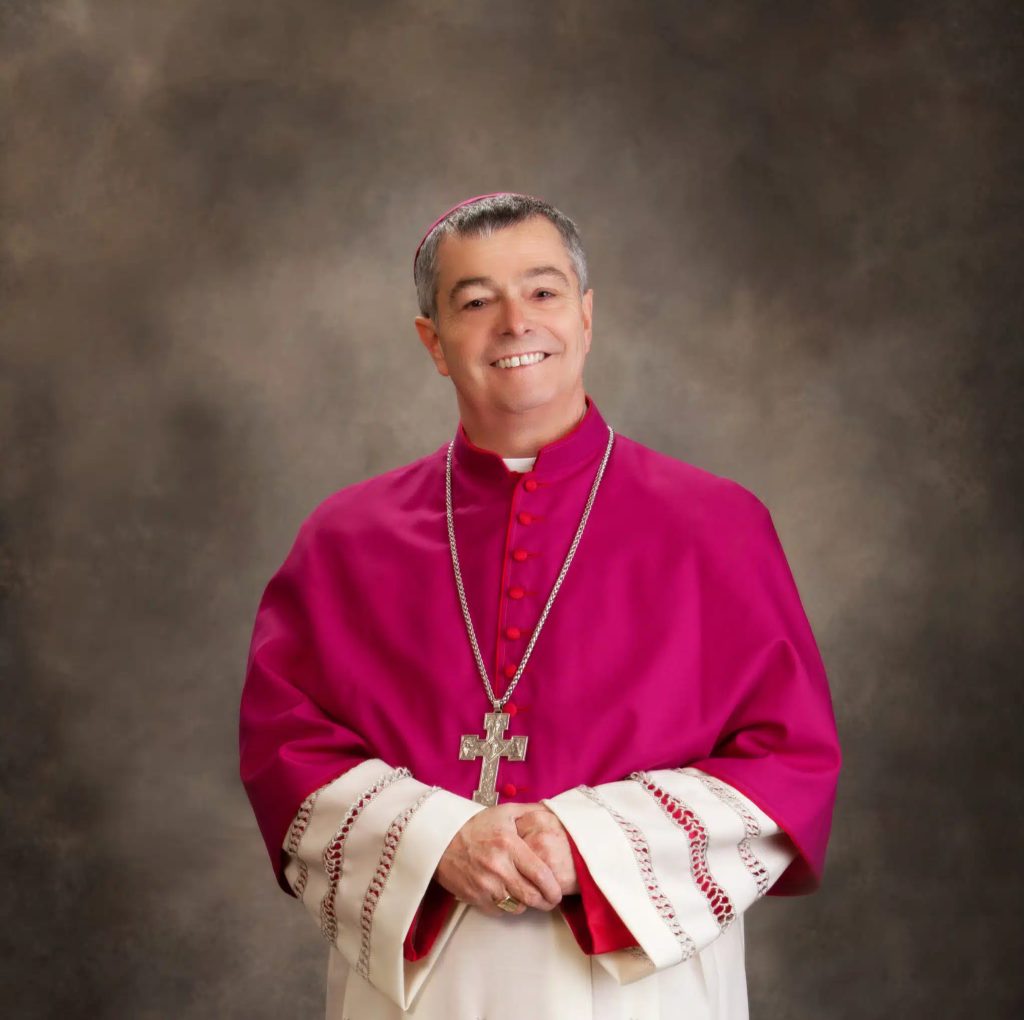
Owensboro Bishop Medley ends parish TLM and grants “permission” for Novus Ordo ad orientem instead
Bishop William Medley of Owensboro has ended the Traditional Latin Mass at a parish in Kentucky and granted “singular permission” for the Novus Ordo to be celebrated ad orientem in its place A Kentucky bishop has ordered the end of the Traditional Latin Mass in a diocesan parish after concluding that he could not satisfy Vatican conditions for permission to continue celebrating according to the 1962 Roman Missal. Bishop William F. Medley of Owensboro instructed Fr David Kennedy of Immaculate Conception Parish in Earlington to cease offering the Traditional Latin Mass after June 30, while granting “singular permission” for the celebration of the Novus Ordo ad orientem , which he suggests is said in Latin. In a letter dated May 18, Bishop Medley said he had reviewed correspondence received from the Holy See in 2023 regarding permission for the continued celebration of the older form of the Roman Rite. He wrote that Rome had indicated that any request to renew the permission would need to be accompanied by a report detailing attendance at the Masses and recounting “the steps which have been taken to lead the faithful who are attached to the antecedent liturgy towards the celebration of the liturgy according to the liturgical books reformed by decree of the Second Vatican Council and which form the unique expression of the lex orandi of the Roman Rite”. “As I am unable to demonstrate that this condition has been met, I have no standing to request an extension of the Holy See’s instruction, and I am directing you not to celebrate the Mass according to the Roman Missal of 1962 after June 30, 2026,” the bishop wrote. Bishop Medley said he recognised that some Catholics attached to the older liturgy had accepted attendance at the Mass of Paul VI celebrated in Latin. “I know that in some dioceses the faithful who have shown a preference for the Mass celebrated in Latin have accepted the Novus Ordo Mass celebrated in the Latin language,” he wrote. “I trust that between now and July 1, 2026, you can obtain the appropriate Missal of Paul VI in Latin. I will grant the singular permission to offer this Mass ad orientem.” The bishop revealed that he had delayed acting on the Vatican instruction for almost a year. “As we discussed, I have permitted nearly a year to pass beyond reception of this consent from the Holy See,” the bishop wrote. “I did this in recognition of the death of Pope Francis.” The Bishop of Owensboro added that he had allowed the continuation of the Traditional Latin Mass following the election of Pope Leo XIV “to see if he would reconsider the matter of the Mass offered in parish churches”. “After more than a year, and the January Consistory of the College of Cardinals in which they specifically chose not to review Traditionis Custodes, I feel obligated as bishop to act in accord with the direction of the Holy See,” Bishop Medley wrote. Addressing possible objections from parishioners, he told Fr Kennedy: “For the faithful who may object to this directive, you may certainly refer them to me, but please make clear that I am acting in accord with my promise to the Pope, the Bishop of Rome.” The letter concluded with the bishop thanking the priest for his ministry to what he described as a “small and unique community”. Traditionis Custodes placed limitations on the celebration of Mass according to the 1962 Missal and declared the liturgical books promulgated after the Second Vatican Council to be the “unique expression” of the Roman Rite. The document effectively reversed the approach taken by Pope Benedict XVI in Summorum Pontificum, his 2007 apostolic letter which granted priests broad freedom to celebrate the Traditional Latin Mass without requiring permission from their bishops. Since the promulgation of Traditionis Custodes, bishops throughout the United States and elsewhere have implemented the Vatican’s directives in different ways, with some restricting the older liturgy to designated locations while others have gradually withdrawn permissions altogether.
Jun. 22, 2026