

Outside the Walls
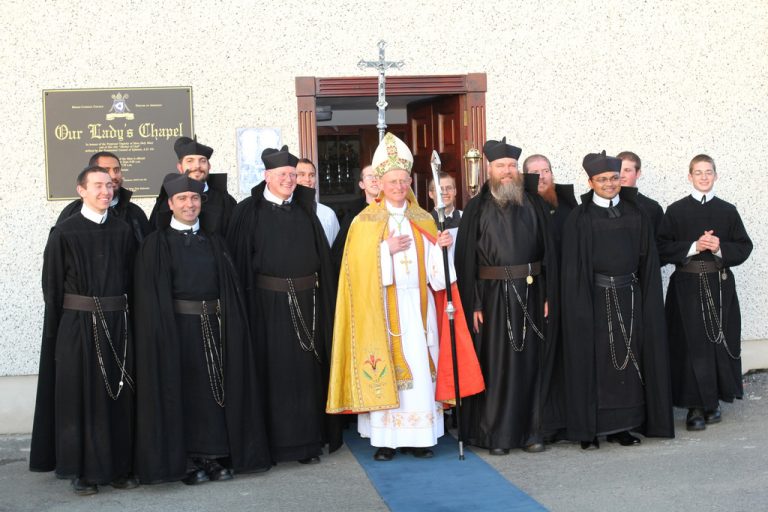
Three monks flee Papa Stronsay monastery
Three monks secretly left the Transalpine Redemptorists’ monastery on Papa Stronsay by boat after allegedly arranging their departure with the Diocese of Aberdeen without informing superiors Three monks of the Transalpine Redemptorists have left the order’s monastery on the island of Papa Stronsay after secretly arranging their departure from the remote Orkney community. The Press and Journal reported on 20 May that two priests and a subdeacon coordinated their exit with Bishop Hugh Gilbert of Aberdeen and left the island by boat without informing their superiors. The arrangement was allegedly discovered only on the day of their departure after the use of a monastery laptop came to light. The three men are understood to have left Papa Stronsay quietly and are now believed to be staying at an undisclosed location under the care of the Diocese of Aberdeen. Fr Anthony Mary, the superior of the community, criticised the manner of the departure and said the remaining members had been left without any explanation. “They tried to leave quietly, but it came to light on the very day they intended to go,” he said. “One of the fathers discovered it after they used a laptop without permission.” Describing the departure itself, Fr Anthony said the men had left without speaking to their superiors or fellow members. “They left on the evening boat, and we have heard nothing since – no word, no explanation, nothing,” he said. “It is as though we never existed.” The priest also alleged that Bishop Gilbert had “worked against us” and said repeated attempts to contact both the bishop and the departing clerics had produced no personal response. “I wrote to the bishop three times and to the priests four or five times,” he said. “There has been no reply to me personally. Recently, the bishop said he would respond at some stage. But trying to live as a good Catholic and follow the faith has become very difficult.” The congregation recently published a document rejecting the legitimacy of every pope since Pope Paul VI. The document, entitled The Dogma to Steer By , described Pope Leo XIV as a “pretender”, called for his replacement and declared the group’s intention to withdraw cooperation with the Vatican, which it accused of having been overtaken by “modernist enemies”. The document is interesting because it does not follow the usual norms of sedevacantism, where adherents normally reject the papacies since Pius XII or, on occasion, since Pius X. The monks, however, appear to accept John XXIII as a legitimate pope while rejecting the “papal pretenders Paul VI, John Paul II, Benedict XVI, Francis, and Leo XIV”, who, according to the text, “have engaged in actions embodying indifferentism”. The text also claims that the “Church has been infiltrated by enemies from at least the time of Pope Gregory XVI”, but that it is only since the Second Vatican Council that popes have “caused a spiritual catastrophe of the greatest imaginable proportions”. The monks also say that they are working and praying for an “Imperfect General Council”, in which “all the Catholic bishops of the world who have kept the true Faith” will “pronounce on the status of the present claimants to the papacy and restore order to the Church”. They continue that, until that day comes, which they acknowledge may still be some time away, they will seek to be “guided by the Magisterium of the holy Popes who have always taught the one true Faith in its integrity and purity”. Following publication of the text, Fr Michael Mary, founder of the Transalpine Redemptorists, reportedly came under investigation by Rome. Speaking separately, Fr Michael said the three men had left because of “theological differences” and had opposed the direction taken by the community. “We’ve lost three priests – two priests and a subdeacon – who have really not been in agreement from the beginning,” he said. “They hung on for quite a while, not wanting to abandon their vocations, but what we’ve come to now has been the last straw.” He added that the departing members had ultimately concluded they could no longer remain. “They were unable in their consciences to go along with us. So, they left us,” he said. The departures took place only weeks after the disappearance of Brother Justin Evans, 25, a member of the community who was reported “lost to the sea” on 11 April. Although a body was later recovered, it has not yet been positively identified. The Transalpine Redemptorists were founded in 1988 and were initially closely associated with the Society of St Pius X. Following Pope Benedict XVI’s lifting of the SSPX excommunications in 2009, the community entered into closer relations with Rome and was later recognised as a religious institute under the authority of the Diocese of Aberdeen.
May 22, 2026
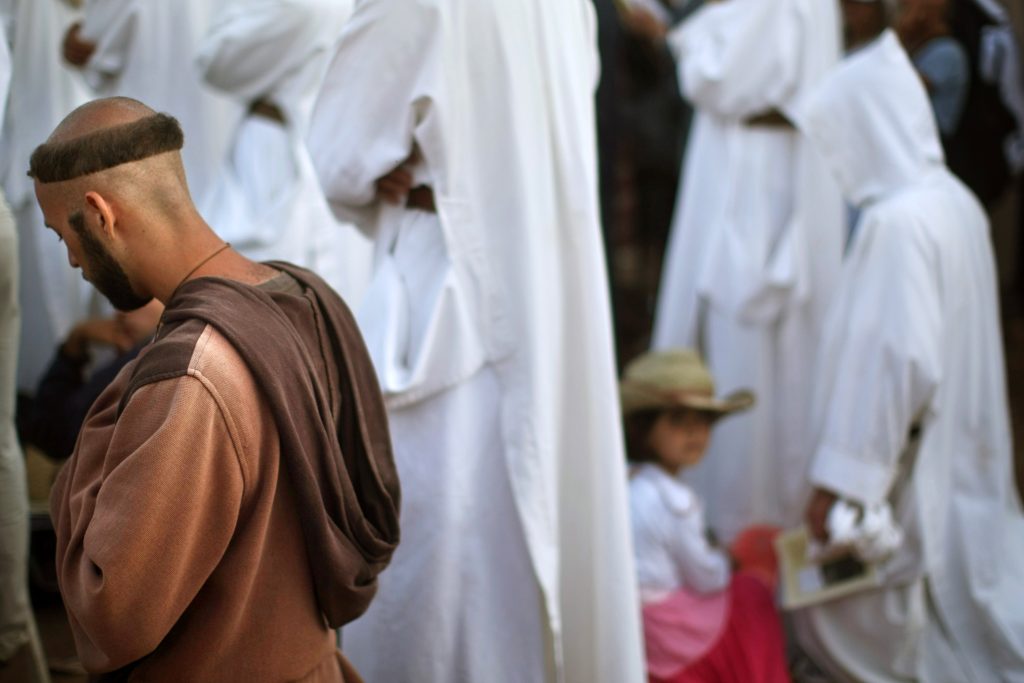
Spain’s religious orders turn to professional investment managers
Religious orders and dioceses across Spain are increasingly turning to professional investment managers and ethically screened funds as ageing communities, falling vocations and rising maintenance costs force Catholic institutions to modernise their finances Spain’s religious orders are increasingly turning to professional investment managers and ethical funds as declining vocations, ageing communities and rising maintenance costs force Catholic institutions to modernise the way they manage their finances. According to Bloomberg News, the change was evident during a seminar held at the Theological Institute of Religious Life in Madrid, where members of religious congregations met bankers and financial advisers to discuss investment strategies, artificial intelligence and the economic uncertainty caused by Donald Trump’s second term in the White House. The gathering is indicative of a shift taking place across the Spanish Church, which has traditionally relied on donations, rental income and a system allowing taxpayers to allocate 0.7 per cent of their income tax to the Catholic Church. But falling numbers in religious life and growing financial pressures have led many dioceses and congregations to professionalise the management of their assets. Figures published by the Spanish bishops’ conference show the number of men and women in religious orders in Spain fell by around 45 per cent between 2014 and 2024. The number of priests has also continued to decline during the same period, though recent years have seen a small increase in the number of seminarians. Many religious communities possess valuable property portfolios, including schools, hospitals, convents and apartments in major cities, but these assets have not always been managed with profitability in mind. Guillermo Vanrell, head of finance and administration for a diocese in eastern Spain, said he was struck by the outdated state of Church administration when he first entered the role more than a decade ago. “I hadn’t seen an Olivetti typewriter since I was a kid,” he said, recalling how receipts were still being produced manually. He said diocesan investments had been concentrated in fixed-term deposits and banking products with little long-term strategy behind them. Since then, he has worked to modernise accounting systems and restructure investments while monitoring financial markets more closely. The scale of Church assets can vary widely between religious institutions. Smaller congregations often struggle with limited resources, while larger orders may oversee international portfolios worth hundreds of millions of euros. Many institutions must also navigate both civil and canon law obligations, particularly where schools, hospitals and heritage properties are concerned. The growing complexity of Church finances led CaixaBank and the Universidad Pontificia Comillas in Madrid to establish Spain’s first postgraduate programme dedicated to the administration of ecclesiastical property and religious institutions. Some congregations have been forced to make difficult decisions about properties they can no longer afford to maintain. The owners of Hospital La Milagrosa in Madrid sought outside advice when the cost of modernising the hospital became unsustainable. The religious order eventually reached an agreement with the Vithas Group, which now manages the hospital and has pledged to invest €30 million in renovations, while the congregation retained ownership of the property itself. As Church institutions become more active investors, Vatican guidance has increasingly shaped how Catholic organisations approach financial markets. In 2022 the Pontifical Academy of Social Sciences published Mensuram Bonam , a document setting out “faith-consistent investing” guidelines for Catholic institutions following a series of financial scandals linked to Vatican finances. The document warned against investments in industries connected to weapons, pornography, contraception and addictive products while encouraging support for businesses linked to sustainability, human dignity and social responsibility. María Canel, who oversees the finances of the Religiosas de la Pureza de María near Barcelona, said there had once been “a fear of investing”, but that attitude had changed significantly. She recalled rejecting a fund after discovering that it included investments linked to the arms industry despite assurances that it complied with Catholic social teaching. The demand for ethically screened investments has contributed to the growth of explicitly Catholic funds in Spain. According to financial advisers, around a dozen such funds now operate in the country with combined assets worth approximately €650 million. Many are linked to major banking groups including Santander, Sabadell and Ibercaja, although independent firms also operate within the sector. Earlier this year the Vatican Bank, working alongside Morningstar, launched two equity indices designed to comply with Catholic ethical principles. Companies listed within the indices include Deutsche Telekom, ASML, Apple, Nvidia and Tesla.
May 21, 2026
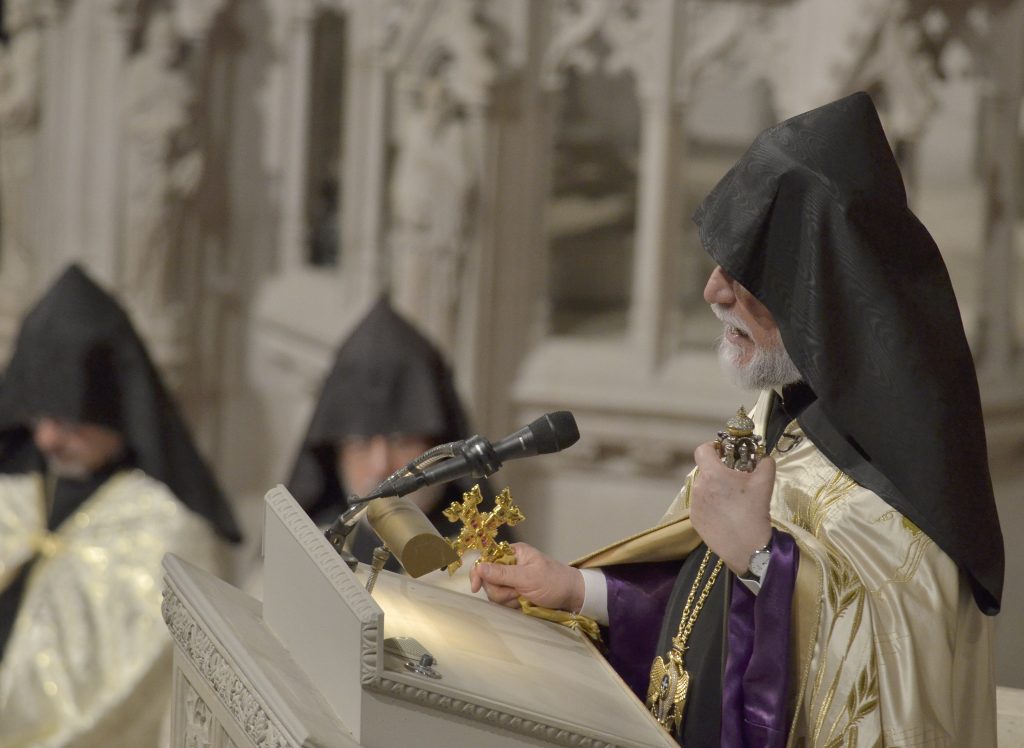
Armenian Church says Pope Leo XIV discussed possibility of a “Third Vatican Council”
The Armenian Apostolic Church has said that Pope Leo XIV and Catholicos Aram I discussed the possibility of convening a “Third Vatican Council” during a private meeting at the Vatican focused on Christian unity, Artsakh and the Middle East The idea of convening a “Third Vatican Council” was discussed during a private meeting between Pope Leo XIV and Catholicos Aram I at the Vatican. The meeting took place on May 18 and focused on Christian unity, the plight of displaced Armenians from Artsakh, the continuing detention of Armenian prisoners in Baku and the situation in Lebanon. While the Vatican’s own account of the audience made no mention of a council, a statement released by the Armenian Apostolic Church said the two Church leaders discussed “the establishment of a common date for Easter, a day of commemoration for all martyrs, and the convening of a Third Vatican Council”. According to the statement, Aram I stressed the “urgent necessity” of such initiatives for the life of the “universal Christian Church”. The Armenian Church added that Pope Leo XIV expressed “understanding and support” concerning the issues raised during the meeting. No details were given about what form a Third Vatican Council might take or whether it would involve only the Catholic Church or a wider ecumenical gathering of Christian Churches. The Second Vatican Council, convened by Pope John XXIII in 1962 and concluded under Pope Paul VI in 1965, remains the most recent ecumenical council of the Catholic Church. Speculation about a future council has surfaced periodically in recent decades, though no pope has publicly advanced plans for another ecumenical council. The proposal emerged during a broader conversation between Leo XIV and Aram I concerning the condition of Christians in the Middle East and relations between Churches. According to the Armenian statement, Aram I also raised the issue of Artsakh and the right of displaced Armenians to return “under international guarantees”. He further stressed the need to protect Armenian churches and historical monuments in accordance with international law. The Catholicos additionally referred to the continuing detention of former Artsakh officials and political leaders held in Baku, saying their release remained an urgent matter. The meeting also addressed Lebanon, where Aram I underlined the importance of preserving the sovereignty of the Lebanese state and ensuring the authority of the government throughout the country. He also spoke of the importance of Israel withdrawing from southern Lebanon and respecting existing ceasefire agreements. The Armenian statement said the two Church leaders also discussed ecumenical relations and the future direction of inter-Church dialogue. Aram I emphasised that alongside theological discussions, “moral and ethical issues” should occupy a greater place within ecumenical cooperation and international Christian initiatives. The Vatican has sought closer ties with the Oriental Orthodox Churches since the Second Vatican Council, with relations between Rome and the Armenian Apostolic Church improving markedly during the pontificates of Pope St John Paul II, Benedict XVI and Francis. Pope Francis maintained warm relations with Armenian Christian leaders and frequently referred to the suffering of Armenian Christians in the Middle East. In 2015 he described the mass killing of Armenians under the Ottoman Empire as “the first genocide of the 20th century”. Aram I, who has led the Catholicosate of the Great House of Cilicia since 1995, has long been active in ecumenical affairs and previously served as moderator of the World Council of Churches.
May 21, 2026
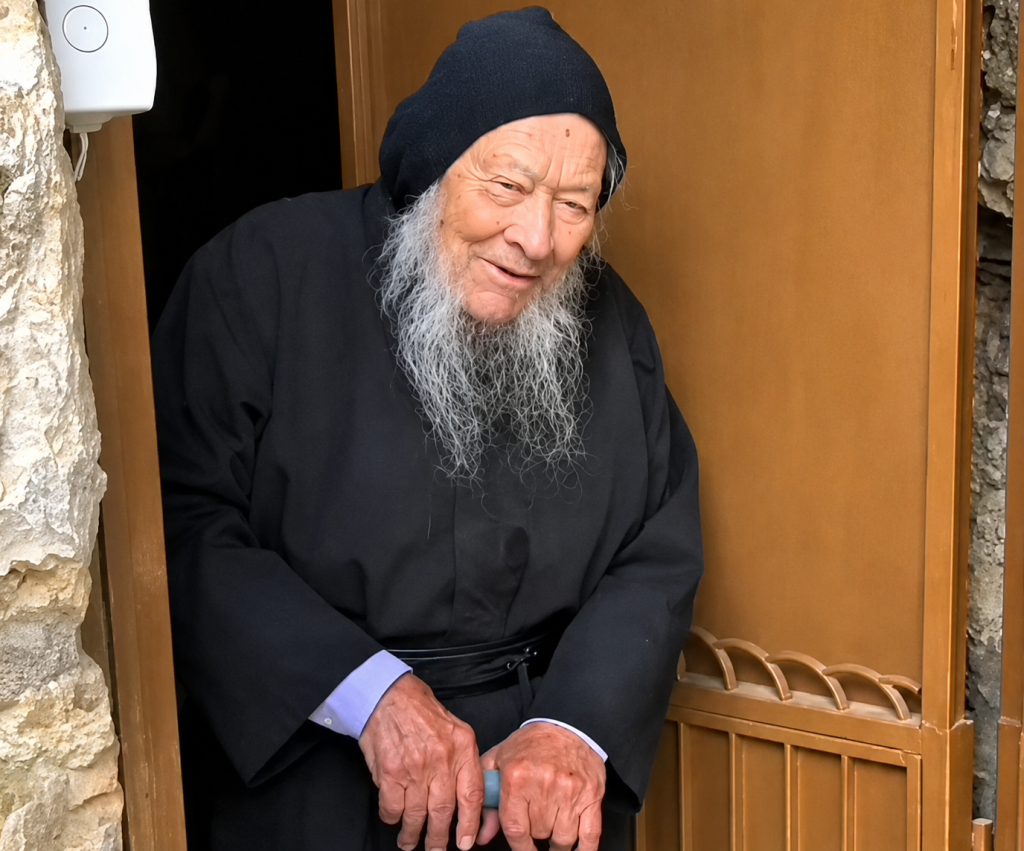
Maronite hermit Father Dario Escobar dies aged 92
Father Dario Escobar, the Colombian-born Maronite hermit reported to have spent 14 hours a day in prayer in Lebanon’s Qadisha Valley, has died aged 92 Father Dario Escobar, priest and hermit, has died aged 92. He was born in Medellín, Colombia, in 1934, a city which Pablo Escobar also called home, though the two were unrelated. He came from an affluent family and excelled academically, becoming a polyglot and later lecturing in theology and Biblical Greek, according to the Beiruter . It was in the United States, where Father Escobar was living in the 1990s, that he first heard of the Qadisha Valley, “Qadisha” meaning “holy” in Aramaic, the language traditionally associated with Jesus. He had already transferred to the Maronite rite when a Lebanese priest visiting Miami told him of the place, where Christians have sought solitude for the past fifteen hundred years. He left the United States for Lebanon, where he tried various forms of religious life before joining the Lebanese Maronite Order and settling at the Hermitage of Our Lady of Hawqa in the Qadisha Valley in 2000. Renowned for his asceticism, it was reported that the priest spent 14 hours a day in prayer, three working, two reading spiritual texts, and five asleep. He used a stone as a pillow and adhered to a vegetarian diet, with food provided by his garden and donations from visitors. He also made a point of adopting the Lebanese culture in which he found himself, learning Arabic and making a full transition to the Maronite rite. He embraced the Maronite rite completely. He prayed in the tradition of the Lebanese Church. He learned Arabic. He cared deeply about Lebanese politics, following events through the accounts of visitors. He prayed daily for the country and never left it again. His life naturally brings to mind Saint Charbel Makhlouf, also a Maronite, also a hermit and of the same monastic order. Beatified by Pope Paul VI in 1965 and canonised in 1977 in the final canonisation of his pontificate, Saint Charbel lived a life of asceticism and Eucharistic devotion in 19th-century Lebanon. Today he remains the most recognisable Maronite saint and the first Maronite monk to be formally canonised in the modern era. In the later years of his life, a sort of cult following developed around visiting Father Escobar in the hills of the Qadisha Valley. He was reportedly happy to converse with visitors, living a less secluded life than some of the other hermits who inhabited the area. In the final years of his life he was moved to the Monastery of Saint Boula in Hawqa, as climbing the hills to his hermitage had become too difficult. He will be buried at Monastery of Saint Anthony of Qozhaya, famous for the Grotto of Saint Anthony the Great, another renowned hermit. Image credit: X@SacerdosMariae
May 21, 2026
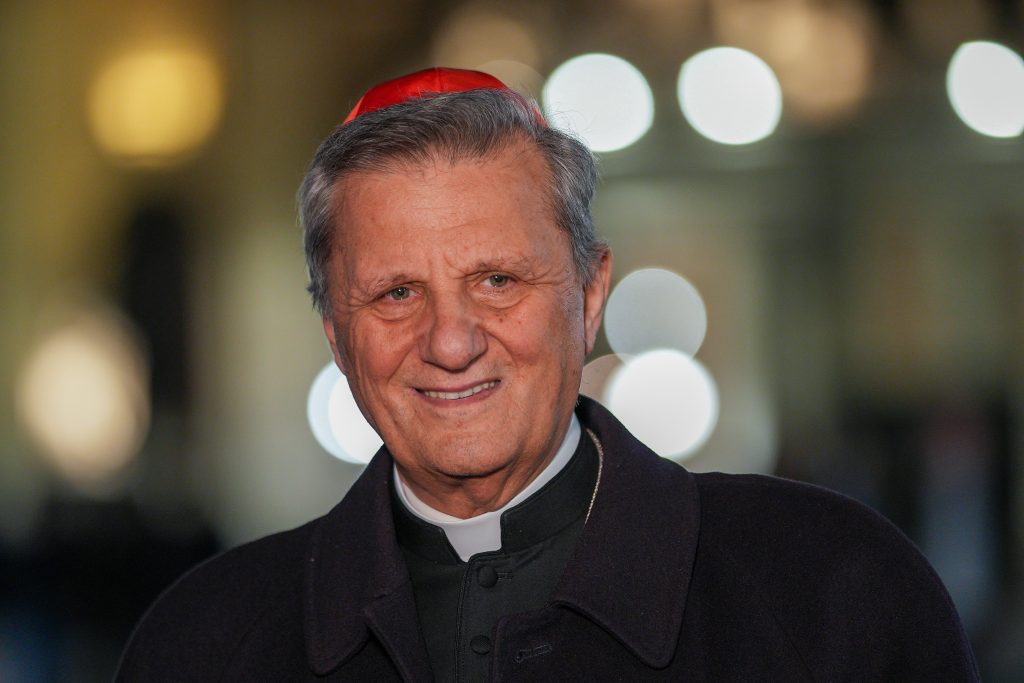
Cardinal Grech speaks on the Synodal Path and the Vatican’s Synod on Synodality
Cardinal Mario Grech has addressed the Synodal Path and the Vatican’s Synod on Synodality during a discussion at the Katholikentag in Germany Cardinal Mario Grech has said that Germany’s Synodal Path and the Vatican’s Synod on Synodality are guided by “the same protagonist: the Holy Spirit”. Speaking at the Katholikentag on May 17, the Secretary General of the Synod of Bishops rejected the idea that synodality was rooted in parliamentary manoeuvring or majority rule, insisting instead that it was a process of discernment guided by the Holy Spirit. “The Holy Spirit does not create a sum of opinions, but harmony, a symphony,” Cardinal Grech said, according to Katholisch.de. His Eminence said synodality should be understood as a “symphony of communion” and stressed the relationship between local Churches and the universal Church. “There is neither a universal Church without local Churches nor a local Church without the universal Church,” His Eminence said. According to Katholisch.de, the remarks came during a public discussion in which theology student Finja Miriam Weber, a member of the German Synodal Assembly, questioned Cardinal Grech’s comparison of the Church to a symphony orchestra. Weber asked who decides “who is allowed to play which instrument”, adding that women are barred from certain positions in the Church “simply because she is female”. Cardinal Grech replied: “Jesus composes the symphony and the Holy Spirit conducts.” According to reports from the event, the exchange was cut short when the moderator ended the discussion before it could continue further. Katholisch.de later reported that Cardinal Grech approached Weber afterwards and told her: “We need people like you.” The intervention is likely to attract attention because Cardinal Grech became one of the leading figures behind the late Pope Francis’s push for synodality. The Maltese prelate was appointed Pro-Secretary General of the Synod of Bishops by Pope Francis in October 2019, succeeding Cardinal Lorenzo Baldisseri the following year. During that period, Cardinal Grech participated in the Synod of Bishops for the Pan-Amazon region and served on the commission responsible for drafting the synod’s final document. In one of his first interviews after his appointment, Cardinal Grech spoke of a Church developing “a greater feminine face that would also mirror Mary’s face”. During the Covid-19 pandemic in 2020, the cardinal also drew controversy after criticising what he described as an overreliance on sacramental life among Catholics unable to attend Mass during lockdown restrictions. “It is of concern that someone feels lost outside of the Eucharistic or worship context, for it shows an ignorance of other ways of engaging with the mystery,” Cardinal Grech said at the time. Pope Francis created Cardinal Grech a cardinal in November 2020, assigning him the Roman deaconry of Santi Cosma e Damiano. He has since been appointed to a number of Vatican bodies, including the Dicastery for Bishops and the Supreme Tribunal of the Apostolic Signatura. In recent years Cardinal Grech has repeatedly defended synodality as a model for the future life of the Church. In a 2024 interview, His Eminence said synodality could help the Church move from “uniformity of thought” towards “unity in difference”.
May 20, 2026
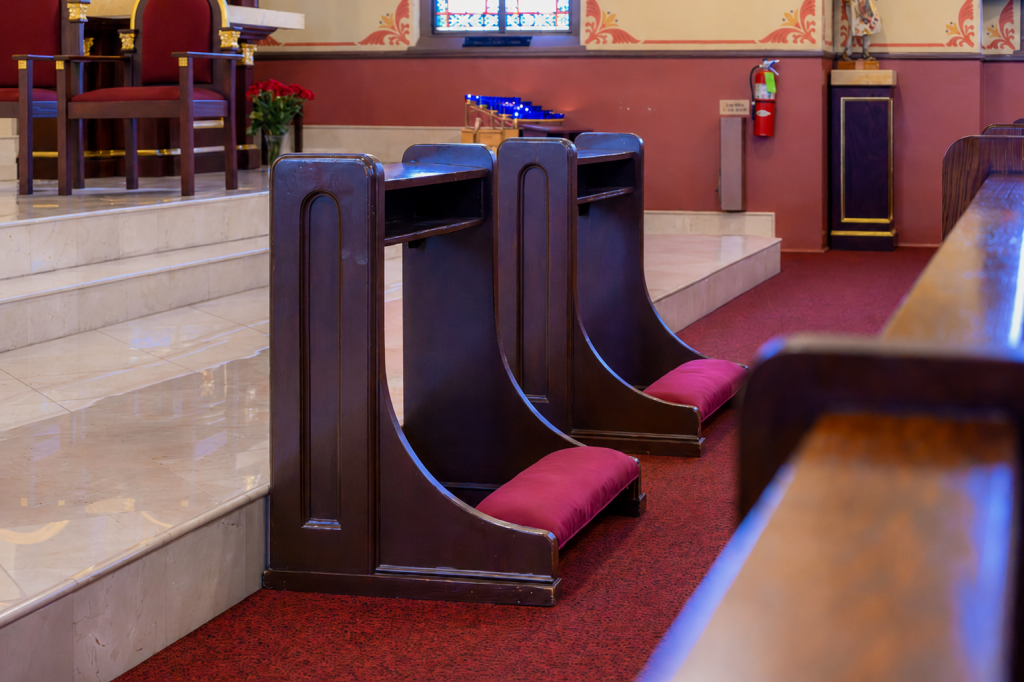
Costa Rican archbishop bans kneelers for Communion in churches
The Archdiocese of San José in Costa Rica has ordered that kneelers are no longer to be installed for the distribution of Holy Communion The Archbishop of San José in Costa Rica has ordered that kneelers are no longer to be placed in churches for the distribution of Holy Communion. The measure was set out in a circular dated May 13 and signed by Fr Francisco Morales González, the episcopal delegate for liturgy, acting on the instruction of Archbishop José Rafael Quirós Quirós. The document was issued following questions raised in recent weeks about the installation of kneelers in some churches for communicants wishing to receive Holy Communion on the knee. “From now on, kneelers are not to be installed in churches for the distribution of Communion,” the circular letter stated. The archdiocese said the decision had been taken because the presence of kneelers could lead some members of the faithful to conclude that kneeling was “the only form established by the Church” for receiving Holy Communion. The circular also argued that kneelers could impede access for elderly worshippers and those with mobility difficulties who are accustomed to receiving Communion standing. While the decree effectively prohibits the installation of kneelers during Communion, the archdiocese stressed that Catholics still retain the right to receive the Eucharist while kneeling. The document cited Redemptionis Sacramentum , the 2004 Vatican instruction on certain matters concerning the Eucharist, together with Benedict XVI’s apostolic exhortation Sacramentum Caritatis , both of which reaffirm that communicants may not be refused Holy Communion for choosing to receive kneeling. “No minister can impose a single way of receiving Communion,” the letter said, reiterating that the faithful remain free to receive either standing or kneeling, and either on the tongue or in the hand, in accordance with the norms permitted by the Church. The move has nevertheless been interpreted by some Catholics as a discouragement of the increasingly visible practice of kneeling for Communion, particularly among younger worshippers and those drawn to more traditional forms of Catholic piety. Although the universal law of the Church permits communicants to receive kneeling, episcopal conferences in many countries obtained permission for standing to become the normative posture. In 2002 the Vatican’s Congregation for Divine Worship stated that communicants who chose to kneel could not be denied the sacrament on those grounds. The ruling was later reinforced in Redemptionis Sacramentum , which declared: “It is not licit to deny Holy Communion to any of Christ’s faithful solely on the grounds, for example, that the person wishes to receive the Eucharist kneeling or standing.” Archbishop Quirós, who has led the Archdiocese of San José since 2013, has not publicly commented beyond the contents of the letter.
May 20, 2026